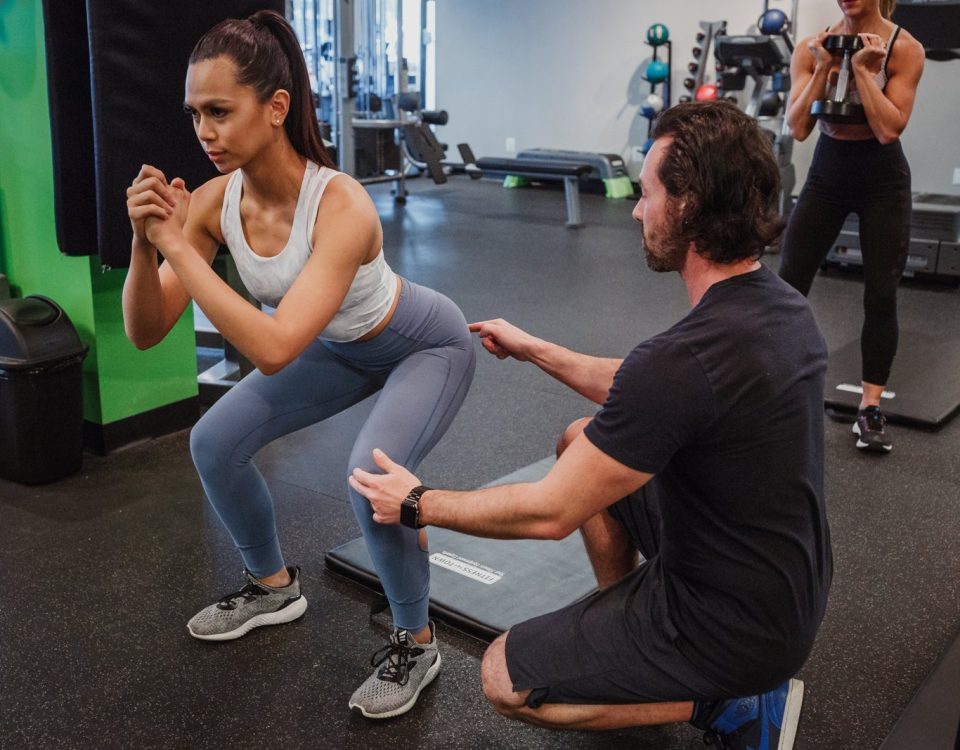
Wrong stimulus. Not laziness.
By David Turnbull, BCRPA Certified Personal Trainer & Founder, TurnFit Personal Trainers
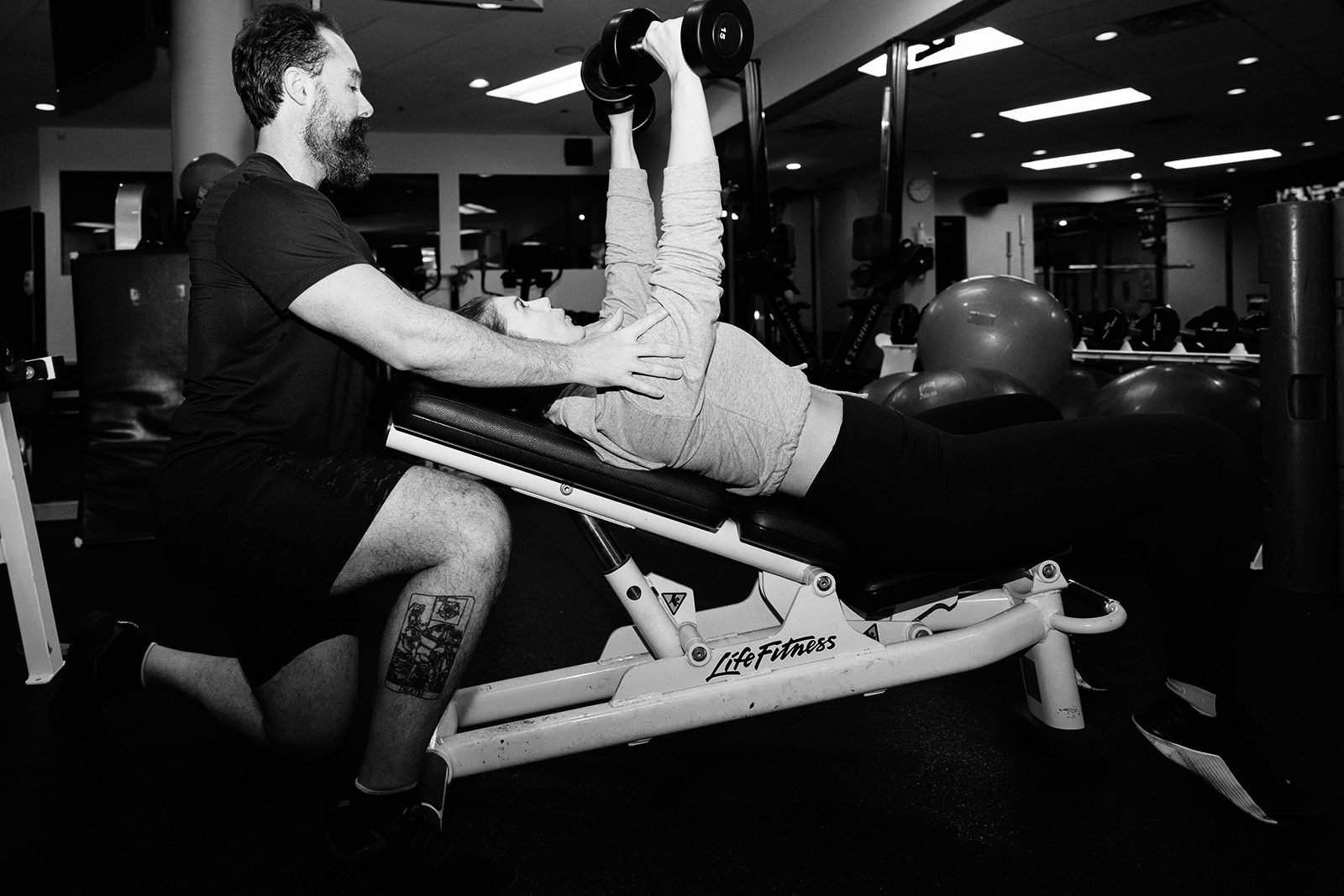
You are not “failing” your gym card. You may be asking the wrong stimulus to change the midlife body.
You have the membership. Or the yoga pack. Or the seawall streak that would impress a Fitbit sales meeting. You spin. You stretch. You show up. Friends call you disciplined.
And somehow you still feel soft. Still tired by mid-afternoon. Still looking in the mirror thinking: I already work out — why am I still stuck?
If that is you in Kitsilano, Downtown Vancouver, or training online across Canada — this post is for you. Not because you need another lecture about “trying harder.” Because effort without the right stimulus is how midlife women stay busy and unchanged. Wrong stimulus. Not laziness.
Companion depth on the seawall-and-mat version: why walking and yoga aren’t enough after 40. This post is for the broader “I already work out” identity — gym, spin, Pilates, classes, watches that congratulate you while your clothes negotiate.
TL;DR: If you already work out and still feel stuck after 40, the usual culprit is wrong stimulus, not character failure. Walking, yoga, spin, and light gym habits are excellent for heart, mood, and consistency — and they often under-deliver progressive load for muscle, bone, and posture under fatigue. Osteoporosis Canada cites sarcopenia at roughly 3–8% muscle loss per decade after 30 and points to progressive resistance 2–3× per week. Pair that with enough protein (TurnFit’s 40/30/30 fuel rule — personalized in coaching) and posture-first coaching. Kitsilano, Downtown, or online: book a free 5-minute assessment.
Why am I still stuck if I already work out?
Because “working out” and “sending a progressive signal to muscle and bone” are not the same job. You can train most days, hit step goals, sweat through spin, and still miss the mechanical tension that tells midlife tissue: stay, rebuild, get denser.
The stuck feeling after 40 is rarely a willpower problem. It is a stimulus-mismatch problem:
- Your week is full of activity (movement volume, heart rate, sweat).
- Your week may be light on stimulus (progressive overload, multi-joint strength, recovery that lets adaptation stick).
- Hormonal shifts in the late 30s through menopause can make that mismatch feel sudden — clothes change, energy dips, strength on stairs softens — even while your calendar still looks “good.”
This is not male biohacking. This is midlife women who already care, already show up, and need a coach who speaks muscle, posture, joints, and real Vancouver schedules — not another “no excuses” poster.
Longevity framing if you want the bigger picture: strength training after 40 for women and feeling better in your 40s than your 30s.
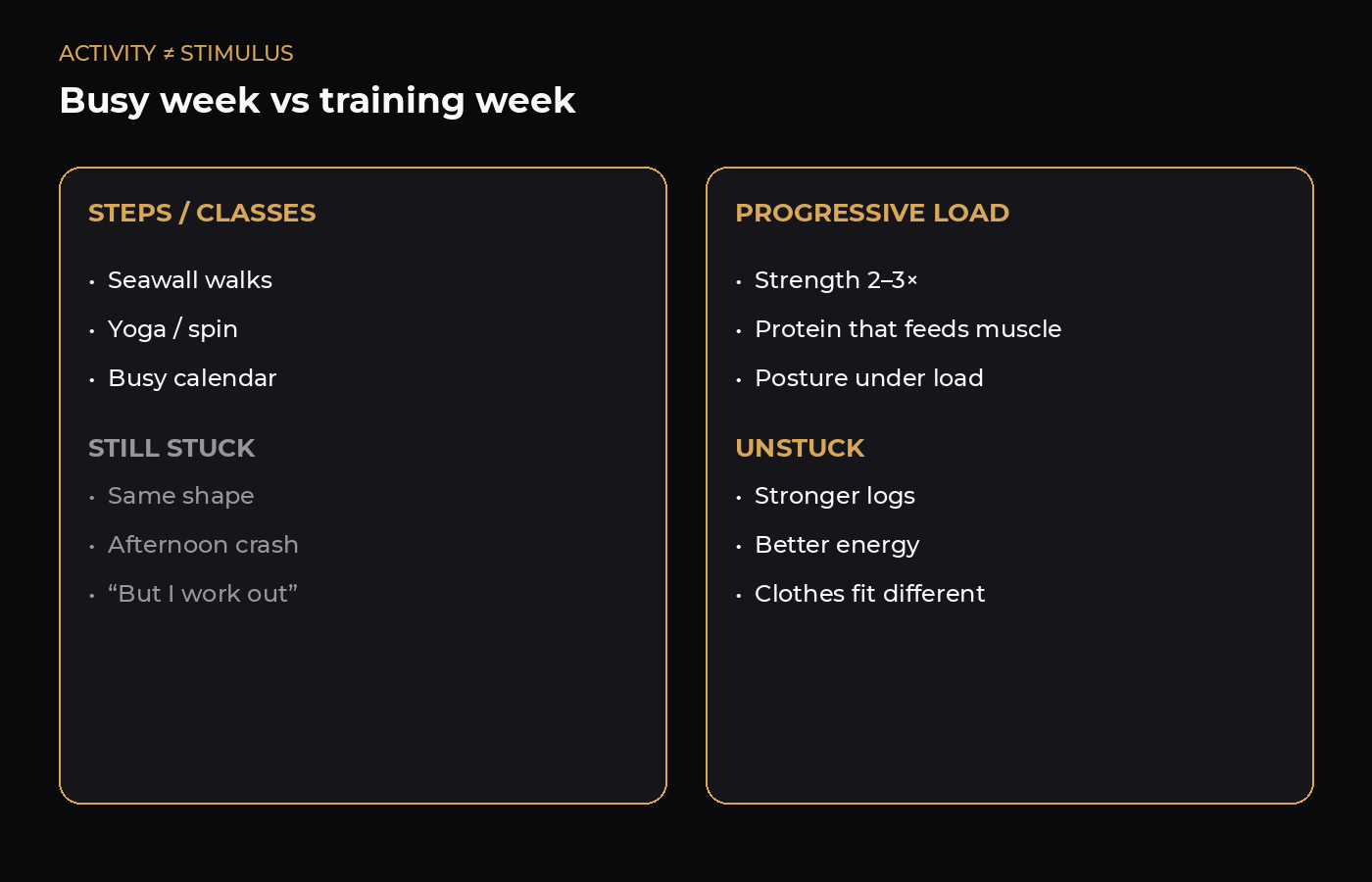
Activity fills the calendar. Stimulus changes the body.
Activity fills the calendar. Stimulus changes the tissue. After 40, you need both — and most “I work out” weeks over-index on the first.
What does “stuck” actually mean after 40?
Stuck usually means your body composition, energy, posture, or strength plateaued while your habits stayed “healthy.” It is less a single number on the scale and more a cluster of midlife signals:
- Softness that does not match how often you move
- Afternoon fatigue that coffee only temporarily bribes
- Clothes that fit differently even when the scale barely moves
- A gym identity that no longer produces the results it used to in your 30s
- Joints that feel “careful,” so you default to gentler options (sometimes wise — sometimes avoidance in a smart jacket)
Stuck is not “broken.” Stuck is often under-loaded muscle + under-fueled recovery + posture never trained under real load. Canadian care rarely flags early muscle loss until function gets loud — context: Canadian healthcare and muscle loss for women 40+. Osteoporosis Canada cites sarcopenia around 3–8% per decade after 30; menopause can accelerate how that feels. Same spin class that “used to work” can leave you unchanged now.
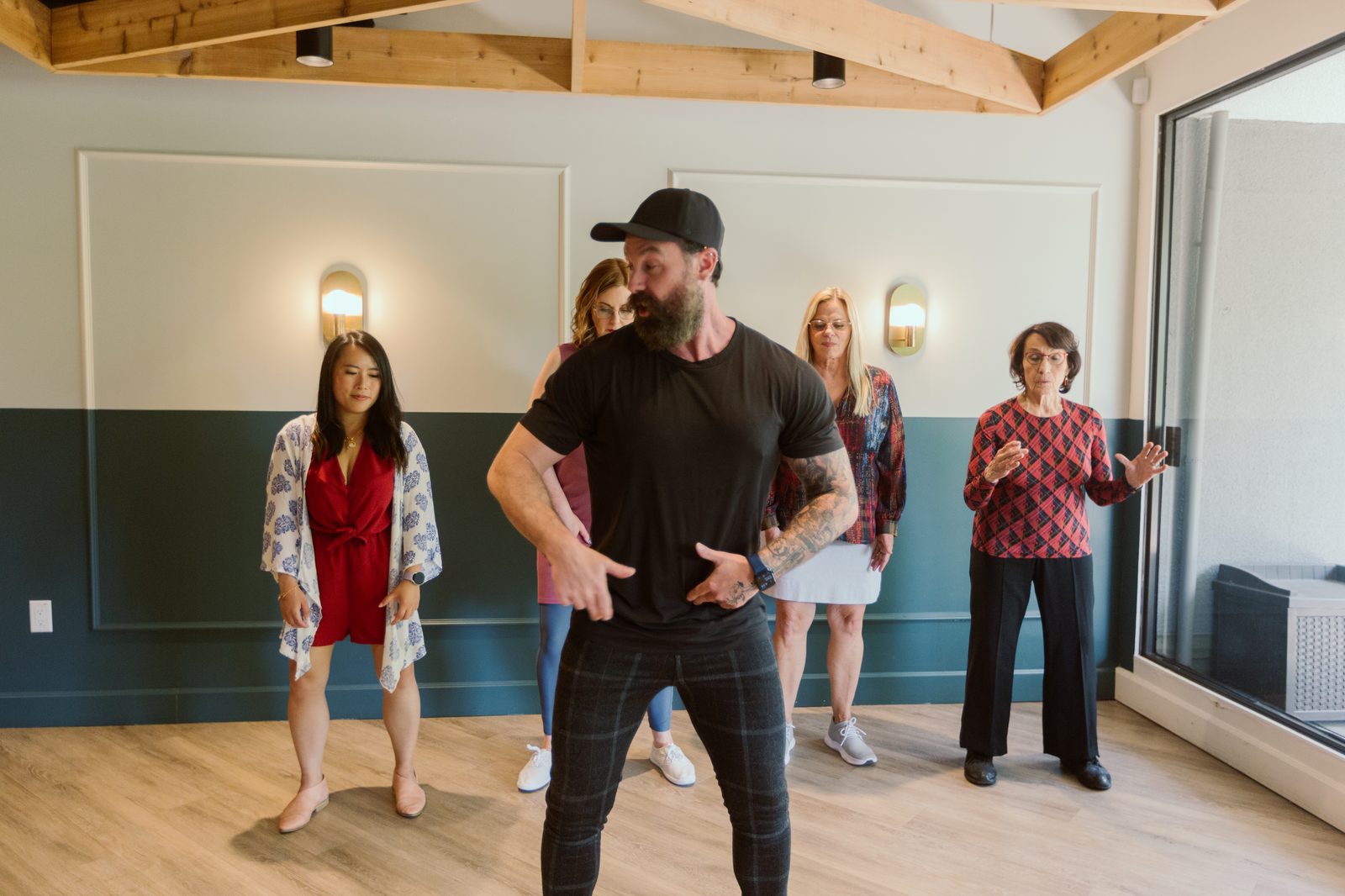
Stuck is rarely a personality flaw. It is often a plan that never asked muscle and bone for more than they already adapted to.
Is more cardio the answer?
Usually no — more cardio alone rarely unsticks midlife women who already move a lot. If your week is already packed with walking, spin, or classes, adding another Zone-whatever session mostly buys more heart work and sweat identity. Cardio is not the villain. The trap is treating more of the same as the upgrade path.
What more cardio often misses after 40:
- 1. Progressive muscle overload. Heart rate ≠ load progression for major muscle groups.
- 2. Bone-loading stimulus. Many cardio formats are low-impact by design — great for joints, light for bone remodeling.
- 3. Posture under fatigue. You can burn calories while still living in a desk-hunched shape.
- 4. Recovery math. Stacking intensity without sleep and protein turns “I’m so disciplined” into “I’m so tired.”
If walking and yoga are already your foundation, we are not asking you to quit them — we are asking you to stop asking them to finish strength’s job. Full bridge: walking & yoga aren’t enough after 40.
Funny but true: your watch can celebrate a personal-best seawall loop while your glutes file a quiet resignation letter.
What changes when you add progressive strength?
Progressive strength adds the signal your current workouts may never send: mechanical tension that scales. Coached lifting 2–3× per week tells muscle and bone they still have a job — preserve mass, remodel, brace, stand taller under groceries, kids, and YVR luggage.
Practically, women who add progressive strength (and stick with coaching) often notice:
- Denser muscle and clearer shape in clothes — “toned” is mostly trained muscle + posture
- Posture that holds under fatigue — rows, braced hinges, controlled presses beat “stand up straight” reminders
- Independence insurance — floor get-ups, stumble recovery, carrying life
- Permission to keep what they love — seawall, yoga, spin stay; they stop being the whole program
Osteoporosis Canada: progressive resistance about 2–3× per week against sarcopenia; the 2023 CPG adds progressive resistance more than twice weekly, plus balance and functional work. A 2025 University of Exeter study (women 40–60 across menopause status) found gains in strength, balance, flexibility, and lean mass. Hormones are not a veto. See menopause exercise guide and perimenopause strength training in Vancouver.
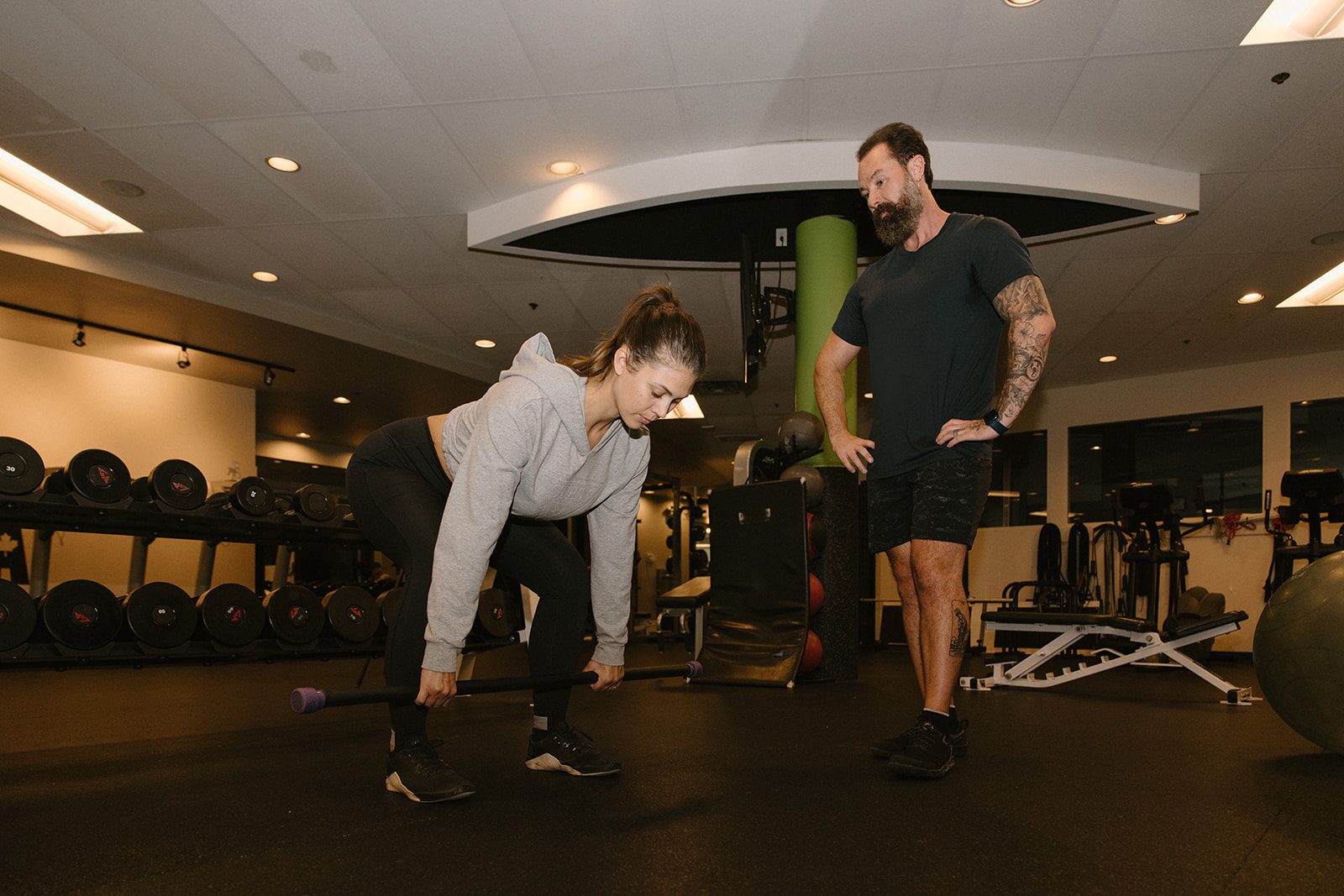
Progressive hinge work is the opposite of “gentle forever.” It is coached load that respects joints and still asks muscle to adapt.
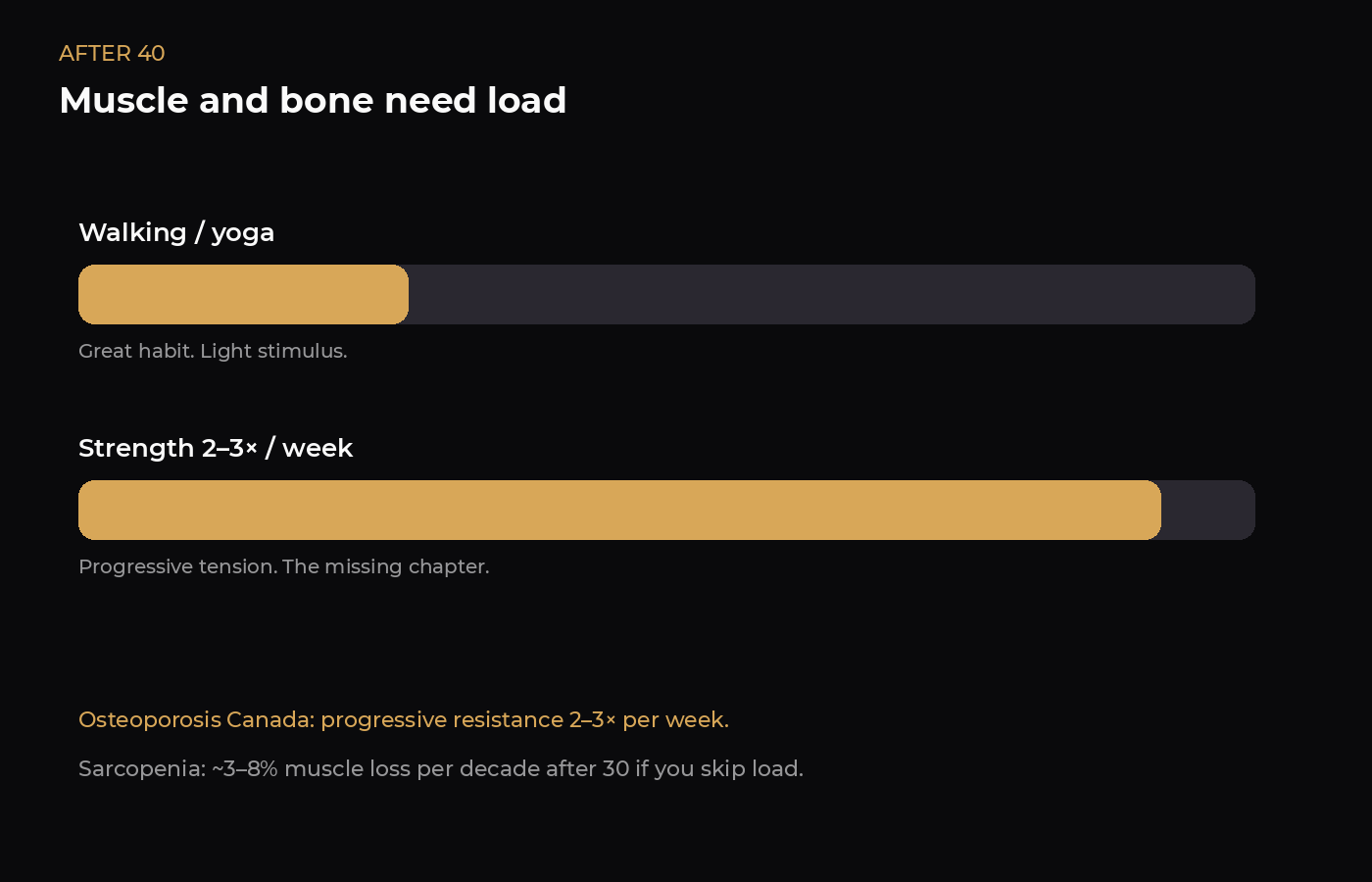
Muscle and bone still listen after 40 — they need progressive load, not another identical week of “I showed up.”
How do protein and recovery fit?
Strength is the construction crew; protein and recovery are the materials and the overnight shift. You can lift well and still feel stuck if you under-fuel repair or treat sleep as optional.
After 40, many “healthy” eaters under-do protein while staying busy with workouts — the midlife muscle gap we unpack in protein after 40 for women. TurnFit’s memorable framework is 40/30/30 (protein / carbs / fat), personalized in coaching — not a medical prescription.
Recovery means sleep that happens, stress that leaves your traps, deload weeks when life is loud, and joint-aware progression instead of ego loading. Pain history? Reason for pain-free personal training for women in Vancouver — not a ban on getting stronger.
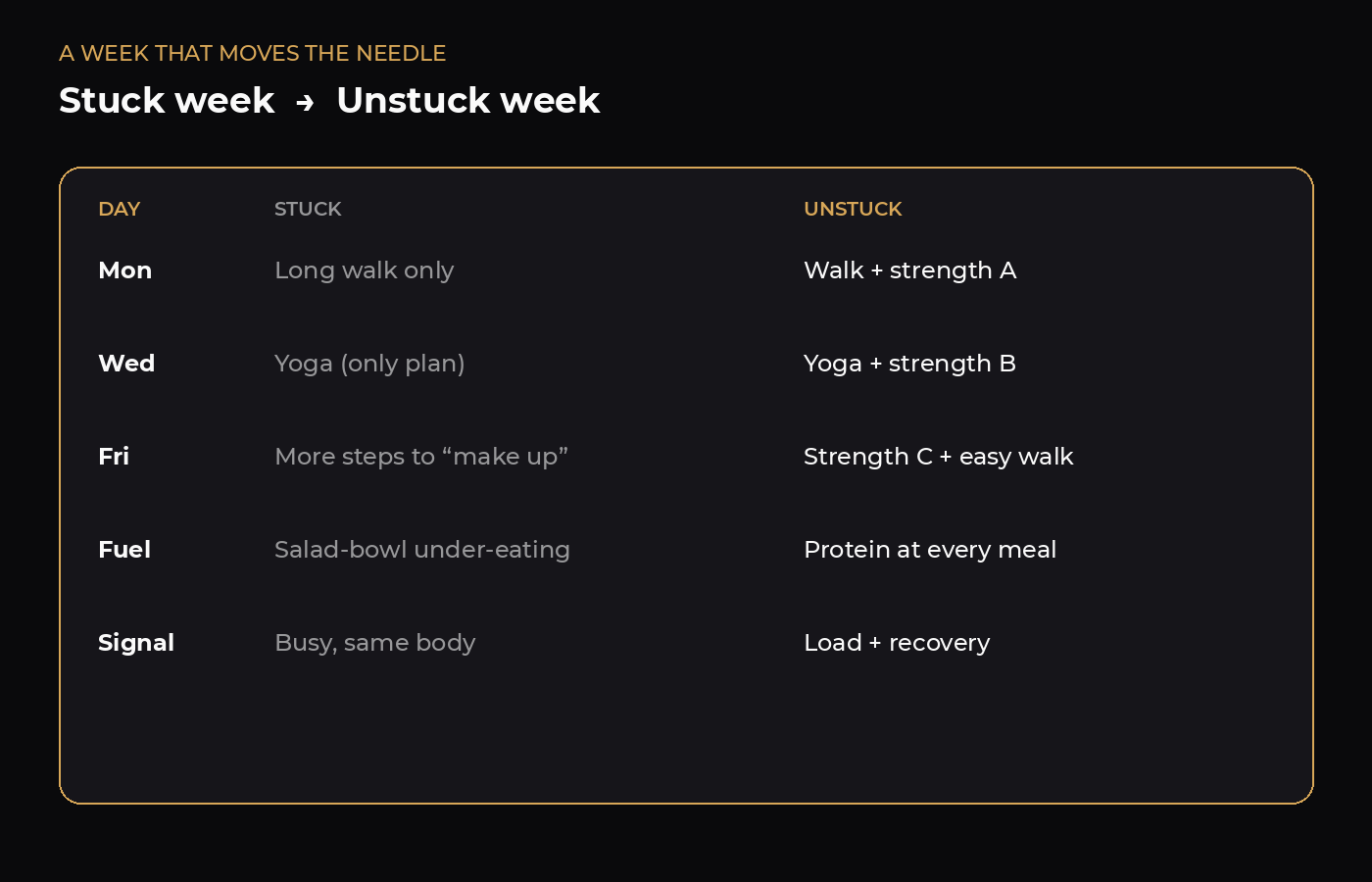
Keep what you love. Add the load and fuel that were missing.
Stuck week: lots of movement, little progressive load, light protein, tired pride. Unstuck week: keep what you love + 2–3 coached strength sessions + protein that matches the work + recovery that lets it stick.
What’s the first step at TurnFit?
A free 5-minute assessment — not a high-pressure pitch and not a medical appointment.
On the call we typically cover what “stuck” means for you, what you already do (we respect it), what stimulus is missing, and where you want to train: Kitsilano (3311 W Broadway), Downtown (180 W Georgia), or online Canada-wide.
Local start page: personal trainer for women over 40 in Vancouver. This post is about stimulus — not an invoice.
Important: a personal trainer is not a physician or dietitian. We coach movement and progressive strength; we do not diagnose, prescribe, interpret labs, or replace clinical care.
Book the free 5-minute assessment →
Keep what you love — finish the missing chapter
If your identity is “I walk / I do yoga / I go to the gym,” you do not need a new personality. You need a completed week.
| Keep (if you love it) | Add | Why it unsticks |
|---|---|---|
| Seawall walks, neighbourhood steps | Progressive strength 2–3× | Heart + habit stay; muscle/bone get load |
| Yoga / mobility you enjoy | Coached form + progression | Calm + range stay; overload arrives |
| Spin / cardio you actually like | Enough protein + sleep | Cardio stops pretending to be a muscle plan |
| Gym membership already paid | Posture-first programming | Membership becomes a tool, not a guilt subscription |
Deep dive on the seawall-and-mat version of this story: Why walking and yoga aren’t enough after 40.
Key takeaways
- Already working out and still stuck after 40 is usually wrong stimulus — not laziness.
- Activity ≠ progressive overload. Sweat and steps can coexist with soft muscle and tired afternoons.
- Sarcopenia runs roughly 3–8% muscle loss per decade after 30 (Osteoporosis Canada); menopause can accelerate how that feels.
- Progressive resistance 2–3× per week is the practical Canadian-aligned minimum for midlife muscle (plus balance/functional work per OC’s 2023 CPG).
- Exeter 2025: resistance training improved strength, balance, flexibility, and lean mass in women 40–60 across menopause status.
- Plan: keep what you love → add coached strength → fuel protein → protect recovery → posture-first progression.
- TurnFit: Kitsilano · Downtown Vancouver · online — free 5-minute assessment.
FAQ
Am I broken if I already work out and nothing changes?
No. Broken is a story; stimulus mismatch is a plan problem. Midlife physiology changes the rules of the game you won in your 30s. Showing up still matters — aiming the effort at progressive strength, protein, and recovery matters more now.
Will lifting bulk me up after 40?
Unlikely the way most women fear. Large muscle is hard and usually needs aggressive programming plus a calorie surplus. What lifting reliably delivers is denser muscle, better posture, and stronger shape in clothes. “Toned” is mostly trained tissue, not a mystery spa treatment.
Can I keep my yoga (or spin / seawall) if I add strength?
Yes — please do, if you love it. Keep the practice. Add 2–3 strength sessions. Protect recovery so you are not stacking intensity on intensity. Complete week, not a loyalty test between mat, bike, and barbell. See walking & yoga aren’t enough after 40.
What if I have knee or shoulder issues?
You need coaching, not a permanent “gentle only” sentence. Pain-free does not mean powerless. We start where your joints and history are, then progress. Read pain-free personal training for women in Vancouver. Get clinical clearance when appropriate — a trainer is not a physician.
Kitsilano vs Downtown vs online — which is better?
The best option is the one you will actually use. Kitsilano: 3311 W Broadway. Downtown: 180 W Georgia. Online coaching works Canada-wide when travel, childcare, or schedule make studio days hard — details: online training. The assessment helps match lane to life.
Is personal training a substitute for medical care?
No. Training levers muscle, bone stimulus, posture, and energy. It does not diagnose, prescribe, or replace clinical care. A personal trainer is not a physician. Symptoms → clinician. Training questions → us.
How fast will I see results?
Honest answer: weeks for energy and session confidence; months for visible composition and posture shifts — if strength, protein, and recovery actually show up. Anyone promising overnight magic is selling fiction. Consistency with progressive load beats heroic one-off weeks.
Why TurnFit
TurnFit is built for midlife women who already “work out” — and still need the missing strength chapter.
- 240+ reviews · 8× Top Choice Vancouver
- Women-over-40 fluency — perimenopause, menopause, posture, joints, real schedules
- Kitsilano (3311 W Broadway) · Downtown (180 W Georgia) · online Canada-wide
- Posture-first, pain-free progressive strength
- Respects walking, yoga, spin, and gym habits while installing the stimulus that changes tissue
Soft look only: pricing. This is a stimulus conversation, not a price lecture.
Important: a personal trainer is not a physician or dietitian. We train — we do not diagnose, prescribe, or replace medical care.
Ready to start?
You do not need a new personality or another cardio stack. Stop asking an already-full workout identity to finish a job it was never designed to finish alone.
Keep what you love. Add progressive strength. Fuel the work. Train posture under load. Then “I already work out” stops sounding like a defense — and starts sounding like a midlife plan.
TurnFit — Kitsilano · Downtown Vancouver · Online Canada-wide · 240+ · 8× Top Choice
Book your free 5-minute assessment →
Sources
- 1. Osteoporosis Canada — Sarcopenia: progressive loss of muscle mass, strength, and performance; roughly 3–8% per decade after 30; progressive resistance training 2–3× per week as a cornerstone of prevention/treatment.
- 2. Osteoporosis Canada — Executive Summary, Clinical Practice Guideline for Management of Osteoporosis and Fracture Prevention in Canada: 2023 Update: progressive resistance training more than twice weekly, plus balance and functional training.
- 3. University of Exeter (Jan 28, 2025 news release on peer-reviewed research in Medicine & Science in Sports & Exercise): resistance training improved physical function — including strength, balance, flexibility, and lean mass — in women 40–60 across pre-, peri-, and post-menopause — Exeter news.
Ready to Start Your Fitness Journey?
At TurnFit, we offer in-person personal training at our Kitsilano and Downtown Vancouver locations, online coaching programs with live Zoom calls, and online personal training across Canada. Check out our transparent pricing — no contracts, no hidden fees.
Book a Free 5-Minute Call →