Bone Density, Muscle Loss, and Belly Fat After 40: The Menopause Exercise Guide No One Gave You
She does everything right. She watches what she eats. She goes to yoga three times a week. She even started walking more after her last check-up. But something has shifted. Her clothes fit differently around her middle even though her weight hasn’t changed much. Her wrists ache. Her doctor mentioned her bone density scan wasn’t ideal. She’s exhausted by 2 p.m. and awake at 3 a.m. A hot flash derails her afternoon meeting. She’s been told to “eat less and move more” — advice that feels both vague and vaguely insulting.
This woman exists in every Vancouver neighbourhood, every Canadian city, every Zoom call, every board meeting. And she deserves better than a shrug and a referral to a lifestyle pamphlet written in 1998.
This guide is for her. It’s also, frankly, for every employer who has watched productivity disappear into the fog of unmanaged menopause symptoms, and for every woman managing hot flashes on her commute from Burnaby or her home office in Halifax.
What follows is the physiology nobody explained — the actual mechanisms behind bone loss, muscle wasting, belly fat accumulation, and symptom burden — and the evidence for what can be done about it. Specifically: what resistance training does to the menopausal body that nothing else replicates.
What Menopause Actually Does to Your Body
Menopause is not a single event — it’s a multi-year physiological transition involving cascading hormonal changes that affect virtually every system in the body. Understanding the four primary changes is the first step toward working with your biology instead of against it.
1. Bone Mineral Density Decline
Estrogen plays a crucial role in regulating bone remodelling by suppressing osteoclast (bone-resorbing) activity. As estrogen falls, osteoclasts become disproportionately active, and bone is resorbed faster than it’s replaced. The SWAN (Study of Women’s Health Across the Nation) — the largest longitudinal study of the menopause transition in North American women — found that significant bone loss begins approximately one year before the final menstrual period and continues at its fastest rate for roughly three years around that point. Crucially, late perimenopausal bone loss is “as rapid as during the years immediately after the final menses.”
2. Skeletal Muscle Loss (Sarcopenia)
Muscle loss begins subtly in your 30s (3–5% per decade) but the menopausal transition throws gasoline on this slow burn. Longitudinal and cross-sectional studies document −2.5% lean mass loss in perimenopausal women and −5.7% in postmenopausal women compared to premenopausal baselines — and newer research suggests it’s not just estrogen but rising FSH that’s directly responsible.
3. Visceral Fat Accumulation
One of the most distressing and least understood changes: fat redistribution from hips and thighs to the abdomen. SWAN Heart Study data show visceral fat (the metabolically dangerous fat surrounding the organs) increases by 8.2% per year in the two years before the final menstrual period. This is not about eating more. It’s about estrogen-driven changes in fat storage pathways.
4. The Hormonal Domino Effect
Declining ovarian function doesn’t just affect estrogen. Progesterone drops first. FSH rises sharply. Cortisol becomes more reactive. Insulin sensitivity decreases. Growth hormone pulses diminish. Thyroid function can shift. Each of these intersects with the others, and together they create the cluster of symptoms — hot flashes, sleep disruption, mood changes, cognitive fog, joint pain — that most women experience but most healthcare systems are poorly equipped to address.
Canadian women aged 40+ in the menopause range
BC women aged 40–65 in perimenopause or postmenopause
BC midlife women with at least one moderate-to-severe symptom (HER-BC Study, 2024)
BC survey respondents saying menopause symptoms affect their job performance (HER-BC, 2024)
Not sure where to start? TurnFit’s menopause fitness assessment takes the guesswork out of it. Whether you’re in Vancouver or training from home across Canada, we design a programme built around exactly where you are right now.
The Bone Crisis No One Tells You About
If there is one thing women in perimenopause should know — and one thing the standard medical appointment rarely has time to explain — it is this: you can lose up to 20% of your bone density in the five to seven years surrounding menopause.
The numbers from the SWAN study are stark. During late perimenopause and the early years after the final menstrual period:
| Skeletal Site | Annual BMD Loss Rate | Who Is Most Affected |
|---|---|---|
| Lumbar Spine | 1.6–2.3% per year | All women; Caucasians at higher baseline risk |
| Total Hip | 1.0–1.4% per year | All women; accelerated with lower body weight |
| Femoral Neck | ~0.7% structural strength per year | Critical fracture site; risk rises sharply postmenopause |
The spine loses approximately 0.018 g/cm² per year and the hip approximately 0.010 g/cm² per year during this period, according to SWAN Bone Study follow-up analyses. To put the hip figure in perspective: the femoral neck bone remodelling that begins approximately one year before the final menstrual period results in “an average 0.7% annual decline in FN strength” even accounting for concurrent changes in bone diameter.
The Fracture Risk Your Doctor May Not Have Emphasised
Fractures are not just a problem for 80-year-olds. A key SWAN finding: “Women who lose more bone density during the menopause transition have more fractures in postmenopause,” and “greater bone loss during transmenopause has been shown to predict fracture independently of initial BMD.” The trajectory you establish during perimenopause determines your fracture risk decades later.
The Kyphosis Connection: More Than Just Posture
Bone loss during menopause disproportionately affects the vertebral bodies — the weight-bearing portions of the spine’s vertebrae. Silent vertebral compression fractures are extraordinarily common; many women don’t realise they’ve had one until they’re measured at a routine appointment and find they’ve lost height.
Each vertebral fracture increases the kyphotic angle (the forward curve of the thoracic spine) by approximately 3–4 degrees. Women with osteoporosis-related hyperkyphosis show measured Cobb angles of 60–62° compared to 47–50° in women without osteoporosis — and hyperkyphosis is associated with a 70% higher risk of future vertebral fracture, creating a compounding spiral.
Forward head posture worsens through the menopausal transition as the anterior musculature shortens and posterior muscles weaken. The practical consequence: breathing mechanics are compromised, balance deteriorates, and the risk of falls increases. None of this is inevitable. Targeted resistance training — specifically focused on thoracic extension, posterior chain strength, and hip stability — directly reverses these changes.
Important nuance: High-impact jumping exercises, often recommended for bone health, do NOT improve total hip bone mineral density according to RCT evidence. The exercises that work for bone — specifically for the spine and hip — are resistance exercises with progressive loading at those specific sites. This is precisely why a qualified trainer matters.
Why You’re Losing Muscle Faster Than You Think
Sarcopenia — from the Greek for “poverty of flesh” — was once considered an inevitable feature of ageing. Newer science is overturning that assumption, while simultaneously revealing that the menopausal transition is far more dangerous to muscle mass than previously understood.
The Numbers
A 2026 narrative review published in the Journal of Cachexia, Sarcopenia and Muscle synthesised longitudinal and cross-sectional studies of muscle mass across menopausal stages. The findings are sobering:
Muscle mass lost per decade from age 30 in both sexes
Additional lean mass loss in perimenopausal women vs. premenopausal baseline
Additional lean mass loss in postmenopausal women vs. premenopausal baseline
Drop in satellite cell numbers during the peri-to-postmenopause transition (Collins et al., 2019)
The Satellite Cell Mechanism
Muscle has an extraordinary capacity for self-repair, governed by resident stem cells called satellite cells. These cells activate in response to muscle damage (including the micro-damage from exercise), proliferate, and fuse to existing fibres to repair and grow them. This is literally how muscle is built.
In a landmark 2019 study published in Cell Reports, Collins and colleagues showed that 17β-estradiol, signalling through estrogen receptor α (ERα), is necessary to prevent apoptosis (programmed cell death) of satellite cells. In estrogen-deficient mice, muscles contained 3.7-fold more apoptotic cells. In human biopsy data from women transitioning from peri- to postmenopause, satellite cell numbers declined approximately 15% during the transition — in just one year, and independently of changes in physical activity or muscle fibre size.
What this means practically: after menopause, your muscles’ capacity to repair and adapt from training is diminished. Not eliminated — but meaningfully reduced. This is a strong argument for starting and maintaining resistance training before and through the menopausal transition, not waiting until after.
The FSH Factor: The Mechanism Your Doctor May Not Know About
The conventional explanation for menopausal muscle loss focusses entirely on declining estrogen. Emerging research suggests FSH — the hormone that rises dramatically as the ovaries become less responsive — may be independently driving late perimenopausal muscle loss. Reduction in lean mass across menopausal stages has been associated with higher FSH levels in multiple studies, including data from the same SWAN cohort that revealed the bone density findings above.
The clinical implication is significant: muscle loss may begin earlier in perimenopause than estrogen levels alone would predict — which is exactly what SWAN data show, with body composition changes accelerating approximately two years before the final menstrual period.
The Good News: Resistance Training Benefits Persist Across the Entire Transition
A 2025 study from the University of Exeter, published in Medicine & Science in Sports & Exercise, was the first to directly compare resistance training outcomes across pre-, peri-, and postmenopausal women simultaneously. The results were unambiguous: 19% improvement in hip function and lower-body strength, 21% increase in full-body flexibility, and 10% improvement in dynamic balance — and these improvements were identical across all menopausal stages.
The lead researcher, Dr. Francis Stephens, noted: “These improvements were the same in peri- and post-menopausal females when compared to pre-menopausal females, suggesting that changes associated with menopause do not mitigate the benefits of exercise.” In other words: it is never too late. The satellite cell population is reduced, not abolished. The training response is preserved.
Train With Someone Who Understands the Physiology
TurnFit’s trainers are trained in menopause-specific programming. Whether you’re in Vancouver or anywhere in Canada, your programme is built around your menopausal stage, your bone density status, and your specific symptoms.
The Belly Fat Mystery Solved
You have not suddenly developed poor willpower. Your belly has not grown because you’ve stopped trying. This distinction matters enormously — both psychologically and practically — because the solution to menopausal visceral fat accumulation is not caloric restriction. It is metabolic recalibration. And resistance training is the primary tool.
The Numbers Are Startling
Data from the SWAN Heart Study show visceral fat (measured by CT scan) increases at 8.2% per year in the two years before the final menstrual period and continues at 5.8% per year after. Postmenopausal women have 49% more intra-abdominal fat area than premenopausal women matched for age and body weight. Overall, visceral fat rises from approximately 5–8% of total body fat before menopause to 15–20% after menopause.
Critically, these changes occur even in women whose total body weight remains essentially stable — because fat is being redistributed, not just added. The scale lies.
Why This Happens: The ERα–HPA Axis Pathway
Estrogen acts on visceral adipose tissue through estrogen receptor alpha (ERα). In the premenopausal state, ERα signalling in fat cells suppresses lipogenesis (fat storage) in the abdomen and promotes it in the hips and thighs. When estrogen declines, this protective effect disappears.
Simultaneously, declining estrogen alters the hypothalamic-pituitary-adrenal (HPA) axis, increasing cortisol reactivity. Elevated cortisol is one of the strongest drivers of visceral fat accumulation — it directly stimulates visceral adipocytes and promotes hepatic fat deposition via the portal circulation. The altered ERα/ERβ ratio in visceral fat tissue during menopause, combined with high 11β-HSD1 enzyme activity (which converts inactive cortisone to active cortisol within fat cells), creates a self-amplifying cycle of abdominal fat deposition.
The downstream consequence of all this visceral fat is not merely aesthetic. Visceral fat is metabolically active tissue that secretes pro-inflammatory cytokines (TNF-α, IL-6), raises triglycerides, lowers HDL cholesterol, promotes insulin resistance, and raises cardiovascular risk. This is why menopause is a critical window for metabolic intervention.
Why Diet Alone Will Not Fix It
A landmark study by Ross and colleagues found that aerobic exercise was required for visceral fat loss in obese postmenopausal women with type 2 diabetes — diet alone, even with comparable weight loss, did not reduce visceral fat. The portal circulation pathway of visceral fat means it responds preferentially to muscular activity that drives glucose clearance and improves insulin signalling.
This is where resistance training demonstrates its superiority over aerobic exercise alone for the menopausal body. A 16-week progressive resistance training programme (twice weekly) produced:
| Outcome | Change | Without Change in Body Weight |
|---|---|---|
| Visceral abdominal fat | −10.3% | Yes — body mass unchanged |
| Subcutaneous abdominal fat | −11.2% | Yes — body mass unchanged |
| Insulin sensitivity | +46.3% | Yes — no dietary changes required |
| Fasting blood glucose | −7.1% | Yes |
The mechanism: resistance training increases GLUT4 transporter content in muscle, increases insulin receptor proteins, and raises glycogen synthase activity — meaning your muscles become dramatically better at clearing glucose from the bloodstream, bypassing the need for fat storage.
The Symptoms — Hot Flashes, Sleep, and Mood
Three of the most disabling symptoms of menopause — hot flashes, insomnia, and low mood — respond dramatically to resistance training. The data here are robust enough to place RT alongside pharmaceutical interventions in the evidence hierarchy, without the side-effect profile.
Hot Flashes: A 43.6% Reduction Is Possible
In a 15-week randomised controlled trial of postmenopausal women experiencing at least four moderate-to-severe hot flashes per day, resistance training (three sessions weekly, eight exercises, progressive loading) produced a 43.6% reduction in moderate and severe hot flash frequency — compared to −2.0% in the control group. The between-group difference was statistically highly significant (P <0.001).
A meta-analysis of postmenopausal women comparing resistance training directly to aerobic exercise found that resistance training halved the risk of hot flashes compared to aerobic exercise alone (RR = 0.50; 95% CI: 0.27–0.94). This is not a trivial finding: aerobic exercise is the intervention most commonly prescribed for vasomotor symptoms, and resistance training outperforms it.
The physiological mechanism involves improved thermoregulatory control: exercise training lowers resting core temperature and widens the thermoneutral zone, making the thermoregulatory system less reactive to small temperature fluctuations. It also improves cerebrovascular regulation during heat stress — directly addressing one of the cardiovascular mechanisms underlying hot flash severity.
Sleep: PSQI Improvements of 4+ Points
Insomnia affects 35–60% of postmenopausal women. A meta-analysis of exercise interventions in menopausal women found exercise significantly reduced insomnia severity (SMD = −0.91 — a large effect by conventional standards). A direct comparative RCT found:
| Intervention | Mean PSQI Improvement | Statistical Significance |
|---|---|---|
| Resistance Training | −4.0 points | P < 0.001 |
| Aerobic Exercise | −2.63 points | P < 0.001 |
A PSQI improvement of 4+ points is clinically meaningful — it represents the difference between diagnosable poor sleep and normal sleep quality. Resistance training activates the peripheral circadian clock, stimulates melatonin and growth hormone secretion, and reduces HPA-axis hyperreactivity — all mechanisms that directly improve both sleep onset and sleep architecture.
Mood and Depression: A 45% Reduction in Symptoms
Gordon and colleagues published a landmark 2018 meta-analysis in JAMA Psychiatry analysing 33 randomised clinical trials and 1,877 participants. Resistance exercise training was associated with a significant reduction in depressive symptoms (mean effect Δ = 0.66; 95% CI: 0.48–0.83; P <0.001). In participants with clinically elevated depressive symptoms, the mean percentage reduction from baseline was 45%.
The practical significance of this cannot be overstated. Menopause-related depression and mood dysregulation are frequently under-treated or attributed to “life stress.” The data shows a well-designed resistance training programme is, for many women, as effective as first-line pharmaceutical interventions — without the side effects, and with additional benefits across every other menopausal domain.
TurnFit’s posture and mobility programming directly targets the musculoskeletal changes that accompany menopause — including the thoracic stiffness, forward head posture, and hip weakness that compound bone density loss and fall risk.
Why Resistance Training Beats HRT for Bone — The Landmark Study
In 2007, Stengel and colleagues published a randomised controlled trial in Bone that changed how evidence-informed practitioners think about bone health in postmenopause. The study enrolled 141 early postmenopausal women — some using HRT, some not — and randomly assigned them to either a one-year resistance training programme or no training, creating four groups. The exercise protocol: squats and deadlifts, twice weekly, free weights.
The results deserve to be quoted directly:
| Group | Lumbar Spine BMD Change (1 Year) |
|---|---|
| Control (no HRT, no RT) | −3.6% |
| HRT only (no exercise) | −0.66% |
| Resistance Training only (no HRT) | +0.43% |
| HRT + Resistance Training | +0.70% |
The control group lost more than 3.5 times the bone density of the HRT-only group. The resistance training alone group was the only non-HRT group to actually gain bone density. And — in the most striking finding — there was no statistically significant difference between the RT-only group and the HRT+RT group. Adding HRT to a resistance training programme provided no additional benefit for lumbar spine BMD.
The authors concluded that “RT alone was as effective as HRT in preventing bone loss at the spine and was more effective than HRT alone in attenuating bone loss at the spine.”
What About the Hip?
The same study found resistance training also reduced declines in bone density at the femoral neck, trochanter, and total hip. Broader meta-analyses confirm standardised mean differences of 0.88 at the lumbar spine and 0.89 at the femoral neck for resistance training in postmenopausal women — clinically substantial effect sizes.
The Necessary Nuance
This evidence does not mean HRT is wrong or should be avoided. HRT remains the most effective treatment for vasomotor symptoms and has additional benefits for cardiovascular health, genitourinary health, and quality of life in appropriate candidates. The conversation about HRT belongs between a woman and her physician. What this evidence does mean is that resistance training is non-negotiable regardless of HRT status — and that the women who choose not to use HRT are not at an insurmountable disadvantage for bone health if they train correctly.
Case Report Evidence
Beyond population-level RCTs, individual case studies in the literature document remarkable outcomes: +24% lumbar spine BMD and +29% femoral neck BMD within 12 months of initiating targeted resistance training in postmenopausal women. These are outlier results, but they illustrate the biological ceiling of what is physiologically possible when programming is optimal and consistency is high.
Ready to Build Stronger Bones?
Every TurnFit programme — in-person at our Kitsilano (3311 W Broadway) and Downtown (180 W Georgia) locations, or fully online — includes progressive bone-loading exercises designed around the sites that matter: lumbar spine, femoral neck, and total hip.
The Corporate Cost of Unmanaged Menopause

If you’re reading this as an HR professional, a benefits manager, or a business leader — welcome. The data in this section is specifically for you.
A 2023 Mayo Clinic study published in Mayo Clinic Proceedings, based on survey data from over 4,400 women aged 45–60, calculated the economic impact of unmanaged menopause symptoms in the US workplace:
Annual economic impact of menopause symptoms in the US: $1.8 billion in lost work time plus $24.8 billion in direct and indirect medical expenses
Key findings from that study:
- 13.4% of women surveyed experienced at least one adverse work outcome due to menopause symptoms
- 11% reported missing one or more days of work in the preceding 12 months due to symptoms
- Severity of symptoms strongly and independently predicted adverse work outcomes
- Stanford research estimates a 10% earnings penalty for women experiencing significant menopausal symptoms
- Presenteeism (being at work but underperforming due to symptoms) affects 17.7% of symptomatic women versus 13.6% of unaffected women
The BC Picture
The 2024 HER-BC study — BC’s first provincial menopause research study, conducted by the Women’s Health Research Institute, BC Women’s Health Foundation, and Pacific Blue Cross — found that:
- Women make up 48% of the BC workforce
- 32% of respondents said menopause symptoms affect their job
- 24% reported missing work days in the previous 12 months due to symptoms
- 9.4% had to turn down a job promotion or career advancement due to symptoms
- 41.2% reported a concurrent mental health condition
If 46.3% of BC’s midlife workers are women, and 90% of them experience moderate-to-severe symptoms — the magnitude of lost productivity is not a marginal HR consideration. It’s a material business risk.
The TurnFit Corporate Wellness Difference
TurnFit’s corporate wellness programmes are built to address this gap directly. Unlike generic “wellness benefits” that fail to account for the specific physiological needs of midlife women, TurnFit delivers:
- Menopause-specific resistance training programming, not generic gym memberships
- Group and individual formats — in-person at Vancouver offices or fully online for distributed teams across Canada
- Evidence-based outcomes tracking — so you can measure ROI in reduced absenteeism, improved presenteeism scores, and employee retention
- A safe, private environment for women who don’t want to discuss symptoms in a general wellness context
The return on investment mathematics are straightforward: if even 5% fewer employees experience adverse work outcomes, the cost savings outpace programme fees by a significant margin. The harder-to-quantify benefit — retaining experienced senior women who might otherwise step back from their careers — is arguably more valuable still.
Corporate Wellness
Group and individual programmes delivered in-person in Vancouver or online across Canada. Measurable ROI on absenteeism and presenteeism. Contact TurnFit to discuss a corporate programme.
In-Person Vancouver
Kitsilano: 3311 W Broadway
Downtown: 180 W Georgia
Hands-on assessment, personalised programming, and coaching in a private environment.
Custom Online Training
Private, fully customised — not a generic app. Train from home anywhere in Canada. No public gym required. Expert menopause-specific programme and regular check-ins.
The TurnFit Menopause Training Approach
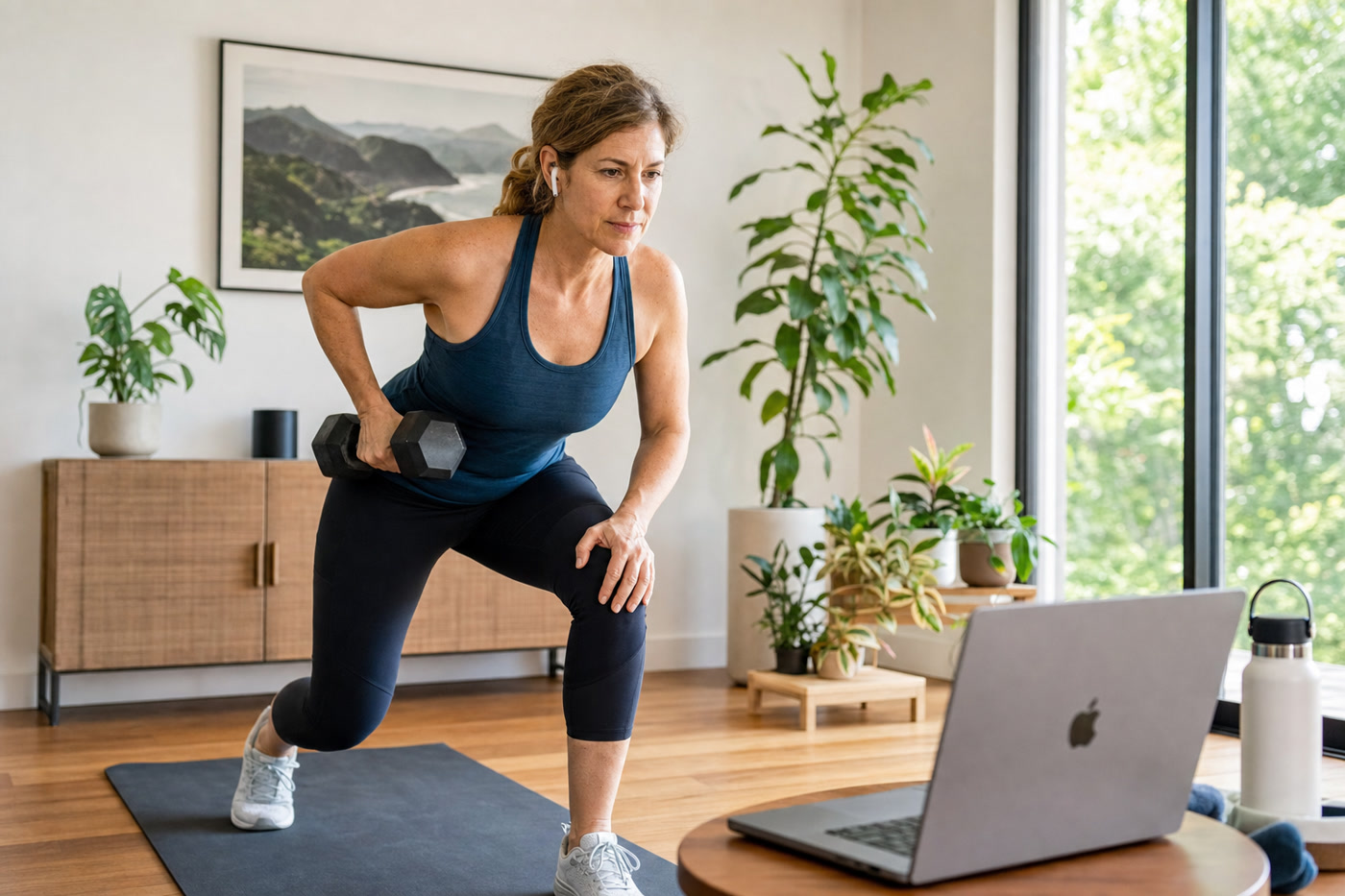
TurnFit has worked with hundreds of women across the menopause transition over the last decade. With 240+ Google reviews and 8x Top Choice Award recognition in Vancouver, the consistent feedback centres on one thing: being taken seriously, and finally having a programme designed for what their body is actually going through.
Owner and head trainer David Turnbull, BCRPA certified, has shaped TurnFit’s approach around the reality that 90% of the clientele are women — most of them navigating some stage of perimenopause or postmenopause. The programme design reflects that reality at every level.
What a Menopause-Specific Programme Includes
1. Comprehensive Initial Assessment
Before any training begins, we assess: movement quality, current fitness baseline, symptom profile (hot flash frequency, sleep quality, mood), any known bone density history, posture and postural muscle activation, and your goals. This is not a standard fitness consultation — it is a menopause-aware health and performance assessment. Book yours here.
2. Progressive Compound Resistance Training
The evidence is clear: the exercises that move the needle for bone density, muscle preservation, and metabolic health are compound, multi-joint movements with progressive overload. At TurnFit, this means:
- Hip hinging patterns (Romanian deadlift, trap bar deadlift) — loading the femoral neck and lumbar spine simultaneously
- Squat patterns (goblet squat, front squat, Bulgarian split squat) — hip and knee bone loading with stability challenge
- Vertical and horizontal pressing (dumbbell press, cable chest press) — upper body bone loading, core stability
- Pulling movements (rows, lat pulldowns, face pulls) — posterior chain activation, thoracic extension for kyphosis reversal
- Unilateral work (single-leg exercises) — balance training and fall prevention, especially important for reducing fracture risk
3. Bone-Loading Specificity
Not all exercise loads bone equally. At TurnFit, exercise selection is intentionally site-specific: the loads applied to the lumbar spine and femoral neck are the precise sites losing bone fastest during menopause, and the exercises selected must actually stress those sites. This is a detail that matters enormously and distinguishes a well-designed menopause programme from a generic “strength training” protocol.
4. Posture and Mobility Work
Every programme includes targeted work for thoracic extension mobility, posterior chain activation, deep cervical flexor strengthening, and hip flexor release — directly addressing the postural changes driven by both bone loss and the sedentary patterns of desk-based work. Visit turnfit.ca/posture-and-mobility/ for more on this component.
5. Recovery and Symptom Awareness
Menopausal women often experience different recovery profiles than they did in their 30s. Sleep disruption, cortisol dysregulation, and blunted growth hormone pulses all affect how quickly muscle repairs. TurnFit programmes are built with appropriate rest periods, session volume that matches recovery capacity, and regular reassessment so programming adapts as you progress.
6. Online Training: Full Customisation, No Gym Required
For women across Canada — or Vancouver-based clients who prefer to train from home — TurnFit’s online training programme delivers everything above with the addition of video form reviews and regular remote check-ins. Many clients specifically choose online training because they don’t want to manage hot flashes or mood swings in a busy public gym. That’s a completely valid choice, and the programme is designed accordingly — with home-friendly equipment options and no requirement for a commercial gym membership.
Your 12-Week Menopause Resistance Training Roadmap
This roadmap gives you a framework for how the first three months of a TurnFit menopause programme are typically structured. Every woman’s programme is individualised — this is a general guide, not a prescription.
Movement quality screening. Introduction to squat, hinge, push, and pull patterns using bodyweight and light resistance. Two sessions per week, 45–50 minutes. Focus: form over load. Posture assessment and initial targeted mobility work. Baseline symptom tracking begins (hot flash diary, PSQI sleep score, mood check-in).
Add resistance: dumbbells, resistance bands, cable machines. Begin progressive loading — add weight when form is solid through all reps. Introduce Romanian deadlift, goblet squat, dumbbell row, and face pulls for posture. Two sessions per week. Begin noticing changes in energy and sleep quality.
Systematically increase loads every 1–2 weeks. Volume increases: 3 working sets per exercise. Introduce unilateral work (single-leg deadlift, split squat) for balance challenge and hip stability. Hot flash frequency often begins decreasing around this timeframe.
Option to add a third weekly session if recovery is adequate. Introduce trap bar or barbell deadlift if appropriate. Compound movements becoming more automatic — focus shifts from movement learning to performance. First formal reassessment of baseline measures.
Heavier compound work becomes the programme backbone. Add thoracic extension exercises specifically for kyphosis reversal. Hip hinge patterns progressing to near-maximal effort. Sleep improvements typically well-established. Many clients report significant hot flash reduction at this point.
Full reassessment: strength markers, posture, mobility, symptom tracking. Review progress against baseline. Design of Phase 2 programme — which typically introduces higher loads, greater exercise variety, and potentially sport-specific or goal-specific elements. Many clients report measurable changes in body composition, sleep quality, and hot flash frequency by this point.
For online clients: The same 12-week structure applies with home-based modifications. Equipment recommendations are provided at the assessment stage — most programmes require only a resistance band set and adjustable dumbbells to start, with optional progressions from there.
Start Your 12-Week Transformation
Your first step is a free assessment — in-person in Vancouver, or online via video for clients across Canada. No commitment required. Just clarity on exactly where you are and what your programme needs to look like.
Frequently Asked Questions
Yes — with appropriate technique and progressive loading, heavy resistance training is not only safe but one of the most evidence-based interventions for menopausal health. A landmark 2007 RCT showed that twice-weekly squats and deadlifts increased lumbar bone density by +0.43% and were more effective than HRT alone at preventing bone loss. The key is proper form, individually prescribed loads, and structured progression — all of which a certified trainer provides.
Bone density improvements can appear in 6–12 months with consistent resistance training. Case studies have documented +24% lumbar spine and +29% femoral neck gains within 12 months. Meta-analyses show standardised mean differences of 0.88 at the lumbar spine and 0.89 at the femoral neck — clinically significant improvements. The key variable is exercise specificity: the bone responds to the sites being loaded.
This is one of the most common — and most validating — things we hear at TurnFit. Visceral fat grows at approximately 8.2% per year during the menopause transition, independently of caloric intake, according to SWAN Heart Study data. Declining estrogen alters the ERα/HPA axis, shifting fat storage from the hips and thighs to the abdomen. This is a hormonal redistribution, not a personal failing. Twice-weekly resistance training has been shown to reduce visceral fat by 10.3% and improve insulin sensitivity by 46.3% without any change in body weight.
Yes. A 15-week randomised controlled trial found that resistance training reduced moderate-to-severe hot flash frequency by 43.6% (versus −2.0% in the control group). Compared directly to aerobic exercise alone, resistance training halved the risk of hot flashes (RR=0.50). Mechanistically, exercise training improves thermoregulatory control and lowers the threshold for heat dissipation, making hot flashes less frequent and less severe.
Yes. A meta-analysis found exercise intervention significantly reduced insomnia severity (SMD = −0.91), and a comparative RCT showed resistance training improved Pittsburgh Sleep Quality Index (PSQI) scores by 4 points — a clinically meaningful improvement — outperforming aerobic exercise (2.63-point improvement). Resistance training works by activating the peripheral clock, stimulating melatonin production, and reducing the cortisol dysregulation that disrupts sleep architecture in menopausal women.
For lumbar spine bone density specifically, the evidence is striking. A 2007 RCT showed that resistance training alone (+0.43% BMD) outperformed HRT alone (−0.66% BMD), while the control group lost −3.6%. Combining HRT with resistance training did not produce significantly better bone results than resistance training alone. HRT has its own important role in managing vasomotor symptoms — this isn’t either/or — but resistance training is a non-negotiable part of menopause management regardless of HRT status.
Sarcopenia is the progressive, age-related loss of skeletal muscle mass and function. While both sexes lose 3–5% of muscle per decade from age 30, the menopausal transition accelerates this: perimenopausal women show −2.5% lean mass loss and postmenopausal women −5.7% compared to premenopausal baselines. Declining estradiol removes a key protector of satellite cells (muscle stem cells), with a ~15% drop in satellite cell numbers during the peri-to-postmenopause transition. Rising FSH levels are also independently associated with accelerated muscle loss, driving changes even before estrogen levels fall dramatically.
Bone loss during menopause disproportionately affects the vertebral bodies of the spine, making compression fractures common — often silent. Each vertebral fracture increases the kyphotic angle by approximately 3–4 degrees. Women with osteoporosis-related hyperkyphosis show kyphotic angles of 60–62° (versus 47–50° without) and face a 70% higher fracture risk. Forward head posture worsens through the transition but is reversible with targeted resistance training focused on posterior chain and thoracic extension — a core component of every TurnFit menopause programme.
An evidence-based menopause training programme includes: 2–3 days per week of progressive resistance training with compound lifts (squats, deadlifts, rows, presses); bone-loading exercises specific to spine and hip sites; balance and posture work to reverse kyphosis and reduce fall risk; and appropriate rest and recovery. TurnFit’s programmes are fully customised through an initial assessment, with online and in-person options available. Book yours here.
Absolutely. TurnFit’s custom online training programme is designed for women across Canada who want expert-level menopause training from home — no gym required, no navigating a public gym with hot flashes. Your programme is 100% customised (not a generic template) and includes regular video check-ins and form reviews.
More progressive employers are adding menopause wellness to their corporate benefits. Mayo Clinic research estimates unmanaged menopause symptoms cost US employers $26.6 billion annually. TurnFit’s corporate wellness programmes can be delivered as a group benefit — structured menopause-focused fitness in-person in Vancouver or online anywhere in Canada. Contact us through the assessment page to discuss a corporate programme.
Current evidence supports 1.6–2.0g of protein per kilogram of body weight daily during menopause — significantly higher than the general RDA — to counter the blunted muscle protein synthesis response associated with declining estrogen. Spacing protein evenly across meals (25–35g per sitting) and prioritising leucine-rich sources is more important than total grams alone. Your TurnFit trainer integrates nutrition guidance into your programme alongside the training plan.
Start in your late 30s or early 40s if possible — before the menopausal transition — to build maximum bone and muscle reserves. Bone loss accelerates dramatically starting approximately one year before the final menstrual period, so having greater reserves entering that window is your best protection. However, it is never too late: postmenopausal women show the same capacity to gain strength and balance from resistance training as perimenopausal women, as demonstrated in the 2025 University of Exeter study.
You’ve Done the Reading. Now Do the Work.
The science is on your side. Resistance training is the most evidence-based intervention available for bone density, muscle preservation, visceral fat, hot flashes, sleep, and mood during menopause. All that’s left is a programme designed for your body.
Book Your Free Assessment
Online Training
View All Programmes
References (28 Citations)
- Finkelstein JS, Brockwell SE, Mehta V, et al. Bone mineral density changes during the menopause transition in a multiethnic cohort of women. J Clin Endocrinol Metab. 2008;93(3):861–868. https://pmc.ncbi.nlm.nih.gov/articles/PMC3198834/
- Shieh A, Greendale GA, Cauley JA, et al. Predicting bone fragility in perimenopause. J Clin Endocrinol Metab. 2024. https://academic.oup.com/jcem/advance-article/doi/10.1210/clinem/dgag004/8419269
- Greendale GA, Sternfeld B, Huang M, et al. Trabecular bone score declines during the menopause transition. J Clin Endocrinol Metab. 2020;105(4):e1872. https://academic.oup.com/jcem/article-abstract/105/4/e1872/5588030
- SWAN Bone Study: Bone Loss Across the Menopausal Transition. Ann N Y Acad Sci. 2011. https://pmc.ncbi.nlm.nih.gov/articles/PMC3198834/
- Stengel SV, Kemmler W, Pintag R, et al. Power training is more effective than strength training for maintaining bone mineral density in postmenopausal women. J Appl Physiol. 2005. [See also 2007 RCT: Stengel SV, Kemmler W, Beeskow C, et al. Effects of hormonal replacement therapy and resistance training on BMD in early postmenopausal women. Bone. 2007;40(5):1218–1225.] https://pubmed.ncbi.nlm.nih.gov/17291843/
- Stengel SV, Kemmler W, Beeskow C, Pintag R, Kalender WA. Effects of hormone replacement therapy and resistance training on bone mineral density in early postmenopausal women. Bone. 2007;40(5):1218–1225. https://www.sciencedirect.com/science/article/abs/pii/S8756328206009495
- Almstedt Shoepe H, Snow CM. Resistance training for osteoporosis. Meta-analysis: SMD lumbar spine 0.88, femoral neck 0.89. Osteoporos Int. [See meta-analysis data for context.] Also: Deng P, Liu Y, et al. Comparative efficacy of resistance training protocols on BMD in postmenopausal women. Front Physiol. 2023. https://pmc.ncbi.nlm.nih.gov/articles/PMC9941565/
- Kemmler W, et al. Exercise effects on bone mineral density in postmenopausal women: meta-analysis. Sci Rep. 2025. https://www.nature.com/articles/s41598-025-94510-3
- Kado DM, Huang MH, Karlamangla AS, Barrett-Connor E, Greendale GA. Hyperkyphotic posture predicts mortality in older community-dwelling men and women: a prospective study. J Am Geriatr Soc. 2004. See also: Kado DM, et al. Factors associated with kyphosis progression in older women. J Bone Miner Res. 2013. https://pmc.ncbi.nlm.nih.gov/articles/PMC3693545/
- Kado DM, Lui L-Y, Ensrud K. Hyperkyphosis predicts mortality independent of vertebral osteoporosis in older women. Ann Intern Med. 2009;150(10):681–687. https://www.acpjournals.org/doi/10.7326/0003-4819-150-10-200905190-00005
- Maltais ML, Desroches J, Dionne IJ. Changes in muscle mass and strength after menopause. J Musculoskelet Neuronal Interact. 2009. See also: Wilkinson DJ et al. Menopause, female sex hormones, skeletal muscle mass, and muscle protein turnover: a narrative review. J Cachexia Sarcopenia Muscle. 2026. https://pmc.ncbi.nlm.nih.gov/articles/PMC12916153/
- Wilkinson DJ, et al. Menopause, female sex hormones, skeletal muscle mass and muscle protein turnover. J Cachexia Sarcopenia Muscle. 2026. PubMed ID 41707658. https://pubmed.ncbi.nlm.nih.gov/41707658/
- Collins BC, Arpke RW, Larson AA, et al. Estrogen regulates the satellite cell compartment in females. Cell Reports. 2019;28(2):368–381. https://pmc.ncbi.nlm.nih.gov/articles/PMC6655560/
- Park S, et al. Association between serum FSH and sarcopenia. Front Med. 2021. https://www.frontiersin.org/journals/medicine/articles/10.3389/fmed.2021.724649/full
- Stephens F, et al. A novel low-impact resistance exercise program increases strength and balance in females irrespective of menopause status. Med Sci Sports Exerc. 2025. PubMed ID 39480197. https://pubmed.ncbi.nlm.nih.gov/39480197/ | University of Exeter press release: https://news.exeter.ac.uk/faculty-of-health-and-life-sciences/first-of-its-kind-study-shows-resistance-training-can-improve-physical-function-during-menopause/
- Sternfeld B, et al. Changes in body composition and weight during the menopause transition. JCI Insight. 2019;4(5). https://pmc.ncbi.nlm.nih.gov/articles/PMC6483504/
- SWAN Study: Changes in body composition and weight during the menopause transition. https://www.swanstudy.org/changes-in-body-composition-and-weight-during-the-menopause-transition/
- Shields M, et al. Adverse changes in body composition during the menopause transition. Womens Health Rep. 2022;3(1):573–581. SWAN Heart Study VAT data. https://pmc.ncbi.nlm.nih.gov/articles/PMC9258798/
- Graca Gama F, et al. The accumulation of visceral fat in postmenopausal women. Clin Exp Obstet Gynecol. 2025;52(2). https://www.imrpress.com/journal/ceog/52/2/10.31083/CEOG26194
- Dunstan DW, Daly RM, Owen N, et al. High-intensity resistance training improves glycemic control in older patients with type 2 diabetes. Diabetes Care. 2002. [For visceral fat data: Ibañez J, Izquierdo M, Argüelles I, et al.] Twice-weekly progressive resistance training decreases abdominal fat and improves insulin sensitivity in older men with type 2 diabetes. Diabetes Care. 2005;28(3):662–667. https://pubmed.ncbi.nlm.nih.gov/15735205/
- Ross R, Janssen I, Dawson J, et al. Exercise-induced reduction in obesity and insulin resistance in women: a randomized controlled trial. Obes Res. 2004. [Diet alone does not reduce VAT.] https://researchconnect.suny.edu/en/publications/exercise-is-required-for-visceral-fat-loss-in-postmenopausal-wome/
- Berin E, Hammar M, Lindblom H, Lindh-Åstrand L, Nedstrand E. Resistance training for hot flushes in postmenopausal women: a randomised controlled trial. Maturitas. 2019;126:55–60. https://pubmed.ncbi.nlm.nih.gov/31239119/
- Huang AJ, et al. Resistance training for postmenopausal women — systematic review and meta-analysis. Climacteric. 2023. [Hot flash RR vs aerobic exercise = 0.50.] https://pubmed.ncbi.nlm.nih.gov/36283059/
- Sprung VS, et al. Exercise training reduces the acute physiological severity of post-menopausal hot flushes. J Physiol. 2016;594(3):657–667. https://pmc.ncbi.nlm.nih.gov/articles/PMC5341707/
- Cai X, et al. The effect of exercise intervention on improving sleep quality of menopausal women. Front Med. 2023. SMD = −0.91 for insomnia. https://pmc.ncbi.nlm.nih.gov/articles/PMC10167708/
- Aibar-Almazán A, et al. Comparative study of resistance vs. aerobic exercises on insomnia using PSQI. J Mid-Life Health. 2020;11(2):86–94. https://pmc.ncbi.nlm.nih.gov/articles/PMC7362974/
- Gordon BR, McDowell CP, Hallgren M, Meyer JD, Lyons M, Herring MP. Association of efficacy of resistance exercise training with depressive symptoms: meta-analysis and meta-regression analysis of randomized clinical trials. JAMA Psychiatry. 2018;75(6):566–576. https://jamanetwork.com/journals/jamapsychiatry/fullarticle/2680311
- Faubion SS, Kapoor E, Moynagh MR, et al. Menopause symptoms and adverse work outcomes. Mayo Clin Proc. 2023. $1.8B / $26.6B impact. https://newsnetwork.mayoclinic.org/discussion/mayo-clinic-study-puts-price-tag-on-cost-of-menopause-symptoms-for-women-in-the-workplace/
- Women’s Health Research Institute. HER-BC: Health and Economics Research on Midlife Women in British Columbia. Nov 2024. Published in partnership with BC Women’s Health Foundation and Pacific Blue Cross. https://www.newswire.ca/news-releases/…
For this stage of life, personal training for women over 40 in Vancouver can help you build strength safely and consistently.
Want to know what it costs? See our pricing.
Book your free intro call — no commitment, just results.
Ready to Start Your Fitness Journey?
At TurnFit, we offer in-person personal training at our Kitsilano and Downtown Vancouver locations, online coaching programs with live Zoom calls, and online personal training across Canada. Check out our transparent pricing — no contracts, no hidden fees.
Book a Free 5-Minute Call →