TL;DR: Downtown Vancouver professionals — Yaletown, Coal Harbour, Gastown, the West End — need a personal trainer who works around a tight lunch window, not the other way around. The right coach fits a 45–60 minute session into your workday, plans turnaround time so you can walk back to a meeting, and builds a program around a desk job, not a bodybuilder’s schedule. This guide covers what to look for, red flags to avoid, realistic pricing, and how TurnFit’s Downtown studio at 180 W Georgia St is built for this client.
What makes personal training different for downtown Vancouver professionals?
Downtown training is defined by time pressure and proximity, not just location. A Yaletown condo dweller or a Coal Harbour finance professional isn’t looking for a trainer to build a program around — they’re looking for a trainer who fits into a schedule that already exists: back-to-back meetings, a lunch window that might be 50 minutes on a good day, and a walk back to the office that can’t leave them scrambling before the next call.
That changes what “good” looks like. A downtown trainer needs to deliver structured strength work in tighter sessions, plan turnaround logistics around office schedules, and work close enough that the commute doesn’t eat the workout.
How much does a personal trainer cost in downtown Vancouver?
Private 1-on-1 personal training in downtown Vancouver typically starts around $250 per session for lower-frequency arrangements, with lower per-session rates on monthly plans (about $147–$196/session depending on frequency). Online coaching, useful for professionals who travel often or split time between the office and home, starts at $349/month + 5% tax. Corporate wellness and semi-private (2-on-1) training are custom-quoted based on group size and location.
| Format | Typical starting price | Best for |
|---|---|---|
| 1-on-1 in-person training | From $250/session (about $147–$196 on monthly plans) | Executives, professionals wanting hands-on coaching |
| 2-on-1 semi-private training | Custom quote | Colleagues or partners training together |
| Online coaching | From $349/month | Frequent travelers, hybrid schedules |
| Corporate wellness | Custom quote | Downtown offices, on-site or nearby group sessions |
Full current pricing is on TurnFit’s pricing page.
What red flags should you watch for when hiring a downtown trainer?
Not every trainer or studio is built for the downtown professional’s constraints. A handful of warning signs tend to predict a bad fit before you even book a first session.
- No fixed location or rotating gym access — if a trainer can’t tell you exactly where you’re training, expect wasted time finding equipment.
- Cookie-cutter programming — the same generic workout handed to every client, regardless of desk-job posture issues or injury history.
- Unclear shower or change logistics — an important practical detail if you need to walk straight back into a client meeting after training; ask what is available on-site beforehand.
- Vague or hidden pricing — reluctance to state a starting rate or commitment structure before a sales call.
- Sessions that run long by default — a trainer who doesn’t respect a hard stop time will eventually make you late for work.
- No structured onboarding or assessment — jumping straight into workouts without evaluating posture, mobility, or goals first.
What questions should you ask before booking a downtown personal trainer?
A short screening conversation, before you commit to a package, filters out most bad fits. Ask directly:
- How long is a typical session, and can it fit inside a 45–60 minute lunch window?
- Is the studio private, or will I be sharing equipment during peak lunch hours?
- What does the studio recommend for changing or freshening up before and after a lunchtime workout?
- How do you build a program around a desk job and a tight schedule instead of a generic template?
- What happens if I need to reschedule on short notice because of a meeting?
- Do you offer online coaching for weeks I’m traveling or working from home?
Why does a 45-minute session work for busy professionals?
A narrative review in Sports Medicine noted that traditional strength programs “often exceed an hour in length,” while time-efficient programming can target major muscle groups with compound patterns — such as a leg press or squat variation, an upper-body push, and an upper-body pull — with a minimum recommendation of about four weekly sets per muscle group (Iversen et al., Sports Medicine, 2021). The review found that weekly training volume matters more than training frequency. A well-structured 45-minute lunch session can be enough to hit that weekly volume, provided it is programmed tightly and done consistently.
This matters directly for downtown clients: it means the constraint isn’t an automatic dealbreaker. A trainer who understands time-efficient programming can structure real strength and postural work inside a lunch hour, without stretching the session past the point where it’s no longer practical.
Does exercising during the workday actually help productivity?
Yes, some same-day benefits are documented, with limits. In one randomized trial, lunchtime walking (three 30-minute group walks per week for 10 weeks) improved afternoon mood and affect among 56 previously inactive UK university employees, 93% of them women (Thøgersen-Ntoumani et al., Scandinavian Journal of Medicine & Science in Sports, 2015). Separately, a study of short, intensive exercise breaks during the workday found a positive effect on neuro-cognitive performance immediately afterward, including after a 3-minute boxing bout (Wollseiffen et al., Stress and Health, 2016). Those studies did not test a 45-minute personal-training session, but they suggest a midday break for movement can support how people feel and think that afternoon.
How inactive are Canadian working adults really?
More sedentary than most people realize, even if they feel generally active. Statistics Canada accelerometer data on full-time working adults (all occupations, not downtown-only) found they spend 68.9% of their day (accelerometer wear time) sedentary, average 8,984 steps per day, and accumulate 79.5 minutes per week of moderate-to-vigorous activity in bouts of 10 minutes or more. Only 18.5% met the national activity guideline (Statistics Canada, Daily physical activity and sedentary behaviour across occupational classifications).
A related Canadian analysis found something more specific: adults who did not meet the muscle-strengthening activity recommendation had significantly higher daily work sedentary time than those who did — 4.7 hours per day versus 3.5 hours for adults aged 18–34 (p=0.0007), and 4.5 versus 3.6 hours for adults aged 35–64 (p<0.001) (Sedentary time at school and work in Canada). For downtown professionals sitting through back-to-back meetings, this is the exact pattern a lunchtime strength session is designed to interrupt.
| Metric | Value |
|---|---|
| Share of day spent sedentary, accelerometer wear time (full-time workers, all occupations) | 68.9% |
| Average daily steps (full-time workers, all occupations) | 8,984 |
| Weekly MVPA in bouts ≥10 min (full-time workers, all occupations) | 79.5 minutes |
| Full-time workers meeting activity guidelines | 18.5% |
Chain gyms vs. private studios: which is better for downtown professionals?
It depends on what you value most, but the tradeoffs are consistent across downtown Vancouver.
| Factor | Chain gym | Private studio |
|---|---|---|
| Peak-hour crowding | High — lunch rush means waiting for equipment | Low — sessions are scheduled and private |
| Programming | Often generic or self-directed | Customized to posture, goals, injury history |
| Time efficiency | Variable — you manage your own clock | High — session structured to a fixed end time |
| Fresh-up & turnaround | Shared locker rooms, often busy at lunch | Typically quieter, quicker turnaround |
| Cost | Lower monthly membership | Higher per-session, but no wasted time |
For someone with 50 minutes at lunch, the time lost waiting for equipment or figuring out a program at a chain gym often costs more than the price difference with a private studio.
Why does the walk from Yaletown or Coal Harbour actually matter?
Because every minute spent walking to and from a session is a minute not training — and in a lunch-hour window, that adds up fast. A studio that’s a 12–15 minute walk from your office can quietly consume a third of your available time before you’ve done a single set. This is why proximity isn’t a minor convenience for downtown clients; it’s often the deciding factor in whether training is sustainable at all.
- In our experience, Yaletown professionals often look for a studio close enough to make a 45-minute session realistic within an hour-long break.
- In our experience, Coal Harbour clients, often in finance, frequently have the tightest calendars and need structured sessions with a hard stop time.
- In our experience, Gastown creative and tech workers tend to have slightly more flexible hours while still valuing a studio within easy walking distance.
- In our experience, West End residents often train before or after work rather than at lunch, valuing early or evening availability as much as location.
How does TurnFit’s downtown studio serve this market?
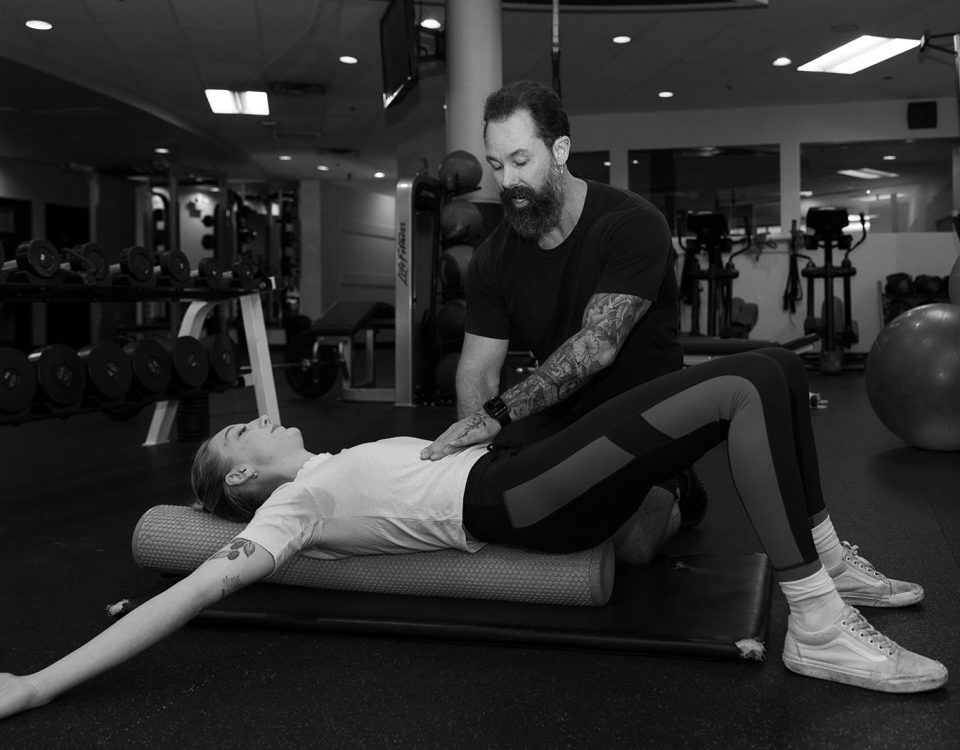
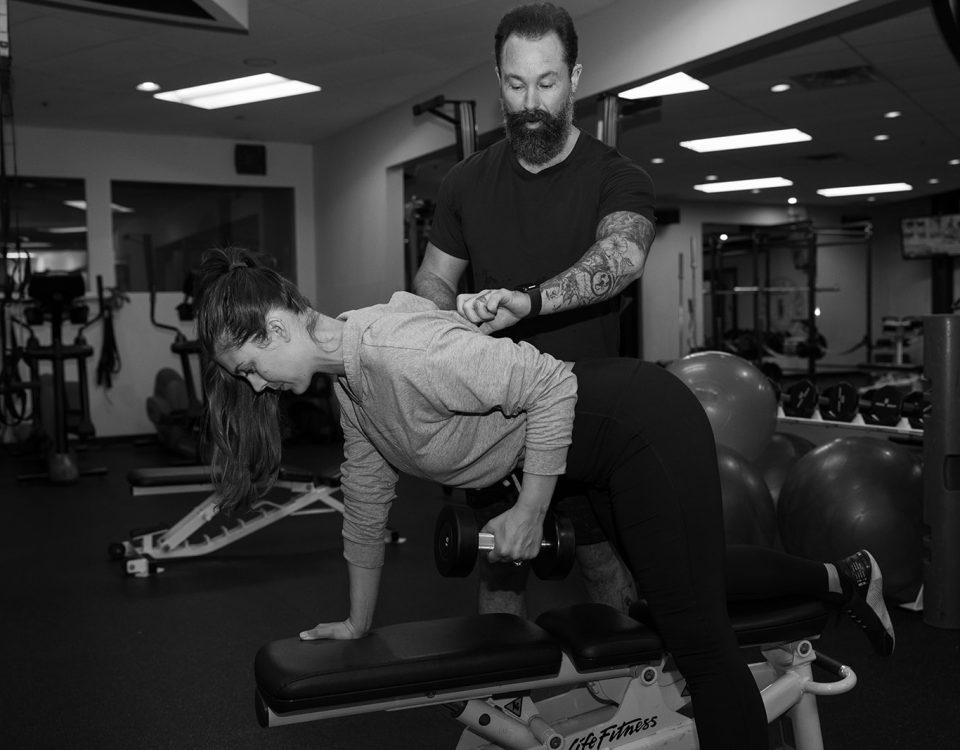
TurnFit’s Downtown Vancouver personal training studio at 180 W Georgia St is built specifically around the constraints covered above: efficient, posture-first sessions that respect a hard stop time, private training space instead of a crowded gym floor, and programming designed for people who sit at a desk all day and need results without a two-hour gym commitment. The same posture-first, customized method used at TurnFit’s Kitsilano location (see the companion guide, Best Personal Trainer in Kitsilano: 2026 Guide) applies downtown — tailored to a professional’s workday schedule.
For clients who split time between the office, travel, and home, TurnFit’s online coaching option keeps programming consistent even in weeks when an in-person session isn’t possible.
Key takeaways
- Downtown Vancouver training succeeds or fails on proximity and session efficiency — not just coaching quality.
- Private 1-on-1 training in Vancouver typically starts around $250/session (about $147–$196 on monthly plans); online coaching from $349/month.
- A well-structured 45-minute session can be enough to hit minimum weekly training volume with compound exercises, if programmed tightly and done consistently.
- Midday movement breaks (such as lunchtime walking or short intensive bouts in small workplace studies) have been linked to same-day mood and cognitive performance benefits, though those trials did not test a 45-minute personal-training session.
- Statistics Canada accelerometer data across all occupations found full-time Canadian working adults are sedentary 68.9% of their day and average 8,984 steps daily, with only 18.5% meeting activity guidelines.
- Private studios generally beat chain gyms for downtown professionals on time efficiency, even at a higher per-session cost.
- In our experience, Yaletown, Coal Harbour, Gastown, and West End clients often have different scheduling preferences — proximity and hours matter as much as the coach.
Frequently asked questions
How much does a personal trainer cost in downtown Vancouver?
Private 1-on-1 personal training typically starts around $250 per session, with better per-session rates on monthly plans (about $147–$196/session). Online coaching starts at $349/month + 5% tax. Full details are on TurnFit’s pricing page.
Can I really get a good workout in 45 minutes over lunch?
A narrative review in Sports Medicine found that weekly training volume matters more than how often you train, and that major muscle groups can be trained with a few compound exercises at a minimum of about four weekly sets per muscle group (Iversen et al., Sports Medicine, 2021). A well-structured 45-minute session can be enough to hit that weekly volume, if it is programmed tightly and done consistently.
What’s the difference between training at a chain gym and a private studio downtown?
Chain gyms are cheaper monthly but often crowded during the lunch rush, with generic or self-directed programming. Private studios cost more per session but offer scheduled, private time with customized programming — which usually saves more time than it costs for someone working with a tight lunch window.
What should I plan for changing or freshening up after a downtown lunchtime session?
Ask any studio directly about change spaces, washrooms, and shower availability before booking, and budget 10 to 15 minutes around the workout itself if you are heading back to meetings. A coach can also adjust session intensity and conditioning pacing so you are not rushing back soaked on a tight lunch window.
Is online coaching a good option for downtown professionals?
Yes, particularly for weeks with travel, back-to-back meetings, or working from home. TurnFit’s online coaching keeps programming and accountability consistent even when in-person sessions aren’t possible.
Which downtown Vancouver neighborhoods does this apply to?
In our experience, Yaletown, Coal Harbour, Gastown, and the West End often have different scheduling patterns — Coal Harbour professionals frequently work around the tightest midday calendars, West End residents often prefer training before or after work, and Yaletown and Gastown clients often fall in between. A studio’s proximity to your specific neighborhood affects how realistic a lunch-hour session is.
How do I get started with a downtown personal trainer?
Start with TurnFit’s free 5-minute fit call to talk through your schedule, goals, and whether Downtown in-person or online coaching fits best — followed by a posture and movement assessment before your program is built.
Ready to Start Your Fitness Journey?
At TurnFit, we offer in-person personal training at our Kitsilano and Downtown Vancouver locations, online coaching programs with live Google Meet calls, and online personal training across Canada. Check out our transparent pricing — month to month, one month’s notice, no hidden fees.
Book a Free 5-Minute Call →