If your company is waiting until fall to think about wellness, you’re already behind. Summer isn’t a dead zone for HR initiatives — it’s the best window of the year to launch one. Meeting loads drop, teams are lighter on deadlines, and people are genuinely more open to trying a new routine when the sun’s out and the pace has eased. That openness disappears the moment September hits and everyone’s back to budget cycles, board decks, and year-end planning.
We’ve run corporate programs for Vancouver teams in tech, finance, and law, and the pattern is consistent: the companies that launch wellness in July and August see stronger adoption than the ones who wait for a “fresh start” in January. If you miss summer, you’re not just delaying a nice-to-have — you’re competing with Q4 chaos for attention you’ll never get back.
Here’s why summer is the smart move, six low-lift programs you can launch before Labour Day, and how to pitch it to leadership in under two minutes.
Why Summer Is the Smartest Time to Launch Corporate Wellness
A few things line up in summer that don’t happen the rest of the year.
Lower meeting load means more lunchtime availability. Calendars thin out in July and August. Fewer all-hands, fewer client calls, fewer recurring syncs. That’s exactly the space a 30-minute lunchtime session needs to actually happen instead of getting bumped.
Return-to-office momentum is working in your favour. Many Vancouver companies pushed hybrid return-to-office policies for summer 2026, and employees are actively looking for reasons to come in that feel worth the commute. An in-office wellness perk gives them one.
Wellness ROI takes 6–8 weeks to show up. Energy, focus, and attendance improvements aren’t instant. If you launch now, you’ll have real data and real results to show by October — right when leadership starts asking what HR delivered this year.
Think about the alternative. If you wait until September or October to start planning, you’re looking at kickoff sometime in November at the earliest — right as the year-end crunch hits, budgets tighten, and everyone’s calendar fills up with client deliverables and holiday scheduling. Programs launched in that window rarely get the attention they need to actually stick. Summer doesn’t have that problem.
6 Low-Lift Corporate Wellness Programs to Launch Before Labour Day
None of these require a gym, a big budget, or a change to your benefits plan. They’re designed to slot into the workday you already have.
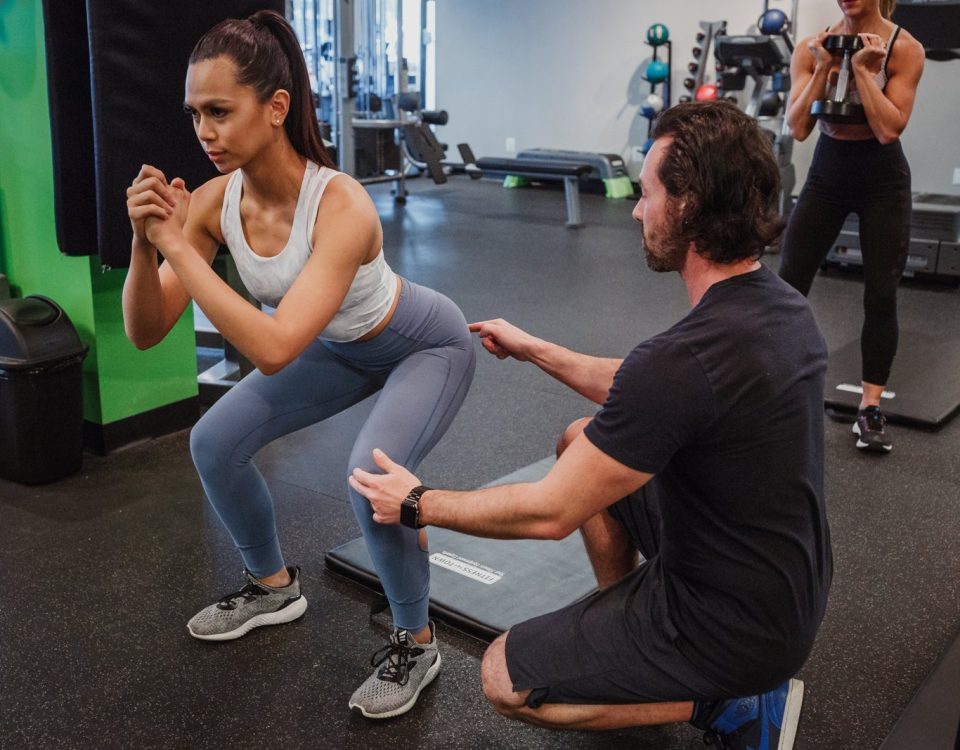
- The Lunchtime Strength Series. Three 30-minute on-site sessions a week, beginner-safe, no equipment needed. Employees show up in work clothes, get a real strength session in, and are back at their desk before their lunch hour is over.
- The 10,000 Steps Challenge. A team-based challenge that runs entirely in Slack. We map it to Vancouver seawall routes so people have somewhere real to walk, whether that’s a lunch loop from downtown or a weekend stretch with the family.
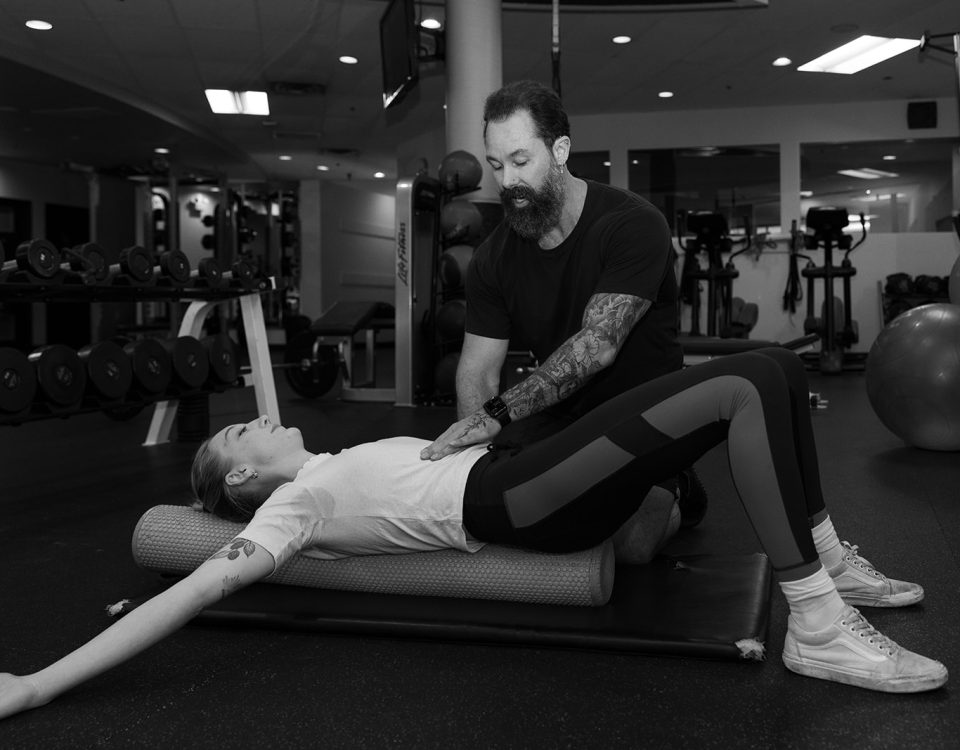
- The Desk Mobility Reset. A 10-minute morning routine focused on posture, neck, and shoulder relief. It works just as well for hybrid employees joining from home as it does for people in the office — see our posture and mobility programming for how we structure this for desk-based teams.
- The “Move at Lunch” Challenge. A 4-week gamified challenge that layers on top of whatever wellness benefit you already offer. It’s designed to boost engagement with existing perks, not replace them.
- Lunch-and-Learn: Strength Basics for Desk Workers. A single 45-minute session that works well as a team event or a low-commitment way to introduce the idea of ongoing programming.
- The Semi-Private Corporate Training Pilot. Two employees per coach, per session. This is the highest-retention option we run, and it produces measurable outcomes fast — useful if you need to show leadership hard numbers early.
For teams with remote staff, several of these — especially the steps challenge and the mobility reset — pair well with our online training programs, so no one gets left out because they’re not in the office that week.
Most companies don’t need all six. We usually recommend picking one or two to start — something low-commitment like the steps challenge or the lunch-and-learn alongside something with more structure, like the strength series or the semi-private pilot. That combination gives you a program with broad, easy participation plus a smaller group generating the kind of measurable results you can point to later.
What “Low-Lift” Actually Means for HR
We use that phrase deliberately, because it means something specific:
- No gym required. Everything runs in your existing office space or online.
- No mandatory attendance. Programs are built around opt-in participation, not policy enforcement.
- Fits the existing lunch break. Nothing here asks employees to give up personal time before or after work.
- TurnFit handles the logistics. Programming, equipment, and coaching are on us. Your job is to greenlight it and tell people it’s happening.
That last point is the one HR teams care about most. You don’t need to manage vendors, build a curriculum, or source equipment. We show up with a plan.
What Vancouver Companies Are Doing Right Now
Three things are driving corporate wellness decisions in Vancouver this summer:
- Return-to-office policies are creating real demand for in-office perks. Companies asking employees back in need reasons that go beyond “because we said so.”
- Wellness has become a retention tool in a competitive hiring market. It’s no longer just a nice-to-have line in the benefits deck — it’s a differentiator candidates and current employees notice.
- The outcomes are showing up where it matters. More energy, better focus in the afternoon, and fewer musculoskeletal complaints from employees who spend all day at a desk.
How to Pitch It to Leadership in 2 Minutes
If you need to get buy-in fast, keep the pitch to three points.
Frame it as ROI. High-adherence workplace wellness programs are associated with roughly a 25% reduction in sick days, according to research published in Health Affairs. That’s a direct cost saving leadership can put a number on.
Frame it as retention. Employees consistently rate wellness benefits among the top three factors in job satisfaction. In a market where good people have options, that matters.
Start small. Pilot with 8–12 employees and report back in 8 weeks. You’re not asking for a company-wide rollout or a new line item in the benefits budget — you’re asking for a low-risk test with a built-in checkpoint.
That’s a pitch most leadership teams can say yes to in the same meeting.
It also helps to name the risk of doing nothing. Every quarter without a wellness program is a quarter where burnout, sick days, and quiet turnover keep accumulating in the background. A small pilot costs you very little to test and gives you a concrete answer, one way or another, within two months.
Let’s Get Something Running Before September
Summer gives you a window that closes fast. If you want to launch a program your team will actually stick with, let’s talk. Book a free 15-minute call or a lunch-and-learn demo and mention “Corporate Wellness” in the form so it gets to the right person on our end.
We’ll help you pick the right program for your team size and schedule, and get it running well before the Labour Day rush hits your calendar. Reach out here to get started.
Related reading: Planning your fall budget? See the ROI of a corporate wellness program in Vancouver and how to prove the return to Finance with current Canadian data.
Ready to Start Your Fitness Journey?
At TurnFit, we offer in-person personal training at our Kitsilano and Downtown Vancouver locations, online coaching programs with live Zoom calls, and online personal training across Canada. Check out our transparent pricing — no contracts, no hidden fees.
Book a Free 5-Minute Call →