October is Canada’s Healthy Workplace Month, but a healthier workplace is not created by putting fruit in the kitchen or sending one more wellness email. It is created when movement becomes easy to start, socially normal, and realistic inside the workday. That is especially important for Vancouver teams working at desks, in hybrid schedules, or under deadlines that make personal health feel like another task on the list.
As a personal trainer, I have seen the difference between a wellness initiative that looks good on paper and one that people actually use. The best corporate wellness programs do not ask employees to become different people overnight. They give people a simple structure, a little accountability, and choices that fit their current energy, mobility, and schedule.
Why most workplace fitness challenges lose momentum
Many workplace challenges start with enthusiasm and finish with a small group of highly motivated employees doing all the tracking. The problem is usually not a lack of caring. It is friction. Employees may not know what counts, may feel uncomfortable exercising in front of colleagues, or may be given a target that assumes everyone has the same fitness level and free time.
A useful challenge needs to work for the employee who walks to the office, the employee who works from a home office, the parent who has fifteen minutes between meetings, and the person who is returning to exercise after a long break. If the only successful option is a hard workout, many people will quietly opt out.
The goal should be participation first, progression second. When employees collect small wins, they build confidence. When they feel confident, they are more willing to try strength training, walking meetings, mobility work, or a coached session.
The TurnFit four-week workplace movement challenge
For a Vancouver employer, I would run the challenge over four weeks in October. Each week has a clear focus, but employees can choose the activity that suits them. A team can use a shared spreadsheet, a workplace chat channel, or a simple form. The tracking question is not “Did you complete the perfect workout?” It is “What did you do today to support your health?”
- Week one: Move more often. Employees record movement snacks of five to ten minutes: a walk around the block, stairs between meetings, a mobility sequence, or a short bodyweight circuit. The target is three movement breaks on four workdays.
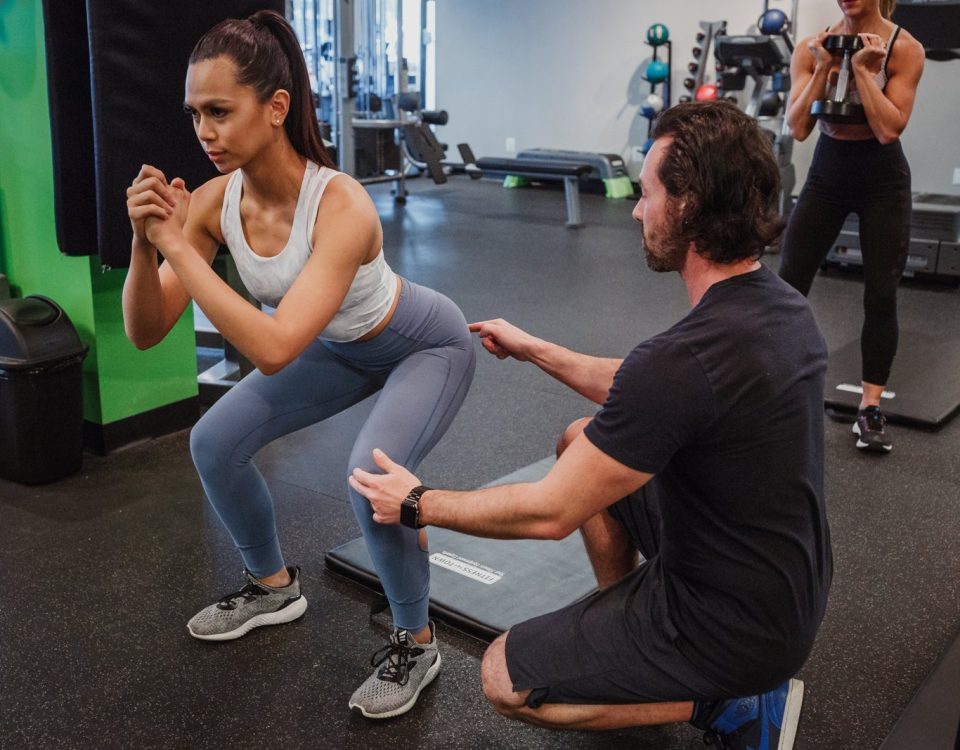
- Week two: Build basic strength. Employees complete two short strength sessions. Each session can include a sit-to-stand or squat, a push against a wall or bench, a row with a band or backpack, and a carry. The challenge is to practice, not to lift as heavily as possible.
- Week three: Protect energy. Employees pair movement with recovery. They can take a walking meeting, set a consistent evening wind-down, practice two minutes of breathing, or use a desk setup that reduces neck and shoulder tension. Better energy is a performance benefit, not a reward for finishing work.
- Week four: Make it stick. Employees choose the two habits they can continue in November. The final week includes a team reflection: What felt easy? What got in the way? What support would make the habit more sustainable?
This structure gives people different ways to participate without turning the program into a competition between the already-fit and everyone else. It also gives HR a clear story to report: participation, habits attempted, barriers identified, and next steps.
Design the challenge for real employees
Before you announce a challenge, ask what your team actually needs. A company with long hours at computers may benefit most from movement breaks and posture support. A company with physically demanding roles may need recovery, joint-friendly strength, and education about pacing. A hybrid company may need options that work at home, at the office, and outside.
Offer three levels for every activity. The first level is accessible and can be done beside a desk. The second level adds time or resistance. The third level adds a coaching option. Nobody has to announce a limitation to the group, and everyone has a clear next step.
Keep the language practical. “Take a five-minute walk after lunch” is easier to act on than “Improve cardiovascular health.” “Complete two rounds of four movements” is easier to understand than “Increase functional fitness.” Employees do not need a lecture before they can begin.
Also, avoid making weight loss the headline. A workplace program should welcome people of different sizes, ages, abilities, cultures, and health histories. Strength, energy, confidence, mobility, and connection are meaningful outcomes. If body composition is a personal goal, it should be handled privately and with appropriate coaching, not displayed on a leaderboard.
Strength training belongs in corporate wellness
Walking is excellent. It supports cardiovascular health, mood, and daily activity. It is not, however, the entire movement solution. Strength training helps people build the capacity to lift, carry, climb stairs, get up from the floor, and manage the physical demands of work and home life.
For beginners, strength does not require a gym or a complicated program. A chair squat trains the legs. A wall push-up trains the pushing muscles. A backpack row trains the upper back. A suitcase carry challenges grip and trunk control. The right dose is one that can be repeated with good technique and without leaving the employee too sore to work.
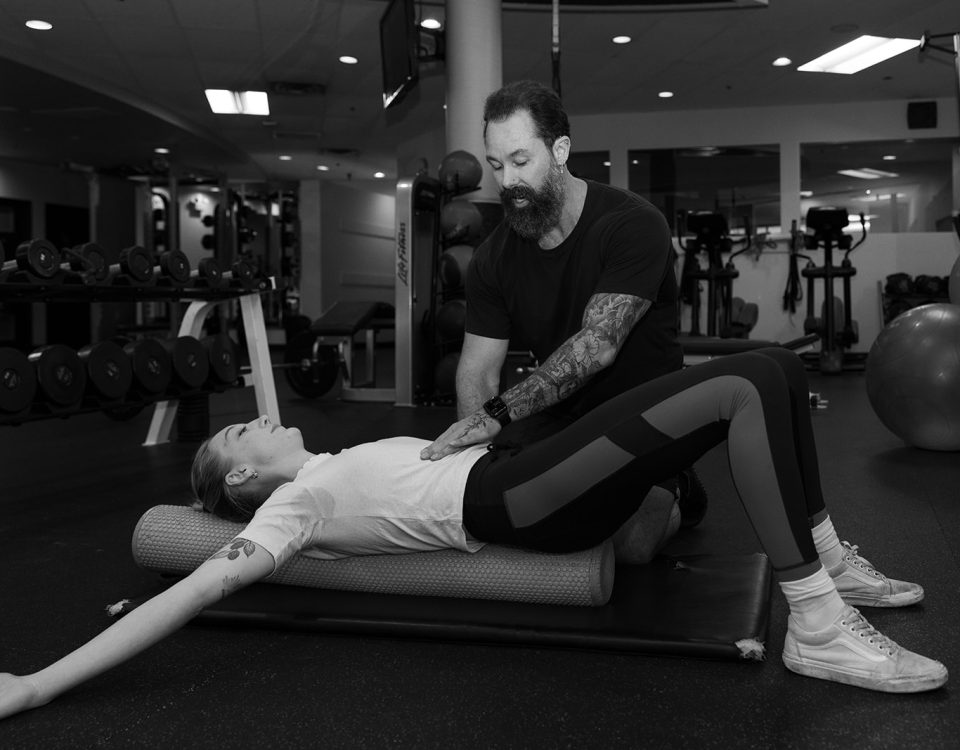
For employees who spend hours sitting, a combination of strength and mobility is particularly useful. A coach can help a team learn how to move the upper back, hips, and shoulders without promising to “fix” every ache. TurnFit’s posture and mobility training is built around practical movement quality rather than aggressive stretching.
What a Vancouver employer can measure
Measurement should help you improve the program, not pressure employees. Track registrations, weekly participation, completed movement breaks, and anonymous feedback. Ask how confident employees feel starting strength training and whether the challenge made movement easier to fit into the day.
Do not claim that a four-week challenge cured pain, prevented disease, or transformed productivity. Those promises are not responsible. A good program can create opportunities, reduce friction, and help employees practice repeatable habits. Longer-term outcomes require continued support and, where appropriate, individualized care.
If someone has a new, severe, or worsening symptom, they should speak with a qualified healthcare professional. A corporate trainer should coach movement and refer when a concern is outside the scope of training.
How to launch without overwhelming HR
- Choose one program owner and one executive sponsor.
- Set a four-week calendar with a ten-minute weekly education point.
- Give employees a menu of activities instead of a single mandatory workout.
- Provide accessible and seated options from day one.
- Use team encouragement, not public rankings of bodies, weight, or performance.
- Collect anonymous feedback at the end of each week.
- Share a simple continuation plan for November before October ends.
TurnFit can help a Vancouver company turn a one-month campaign into a practical strength and movement system. We start with an assessment so the program matches your people, workplace, and constraints. For a remote or distributed team, online training can make coaching accessible across locations.
Make October the beginning, not the finish line
Canada’s Healthy Workplace Month is a useful prompt, but employees do not need another temporary burst of motivation. They need a workplace where movement is supported after the campaign ends. That might mean a weekly coached session, a walking meeting policy, a better break culture, or a small strength plan employees can repeat.
Start with the smallest useful action. Invite people to stand, walk, breathe, or lift in a way that feels safe and achievable. Then build from the participation you earn. If you want help choosing the right starting point, book a TurnFit assessment. The strongest corporate wellness program is not the one with the most impressive launch. It is the one employees still use when October is over.
Ready to Start Your Fitness Journey?
At TurnFit, we offer in-person personal training at our Kitsilano and Downtown Vancouver locations, online coaching programs with live Zoom calls, and online personal training across Canada. Check out our transparent pricing — no contracts, no hidden fees.
Book a Free 5-Minute Call →