Golfers who want more distance usually look at equipment first, but the stronger long-term play is improving the body’s ability to create and transfer force into the club. A well-structured program that combines strength, power, mobility, and dedicated speed work can raise club head speed and driving distance without relying on gimmicks.
For golfers in Vancouver, Richmond, and Burnaby, this creates a practical opportunity: better fitness supports better golf, making practice rounds, corporate golf days, and competitive rounds more enjoyable. This article explains what the current evidence shows, how an effective training plan should be structured, and what to look for in an online, in-person, or corporate golf fitness program.

Why Club Head Speed Matters
Club head speed is one of the clearest physical drivers of distance, and distance changes the game by reducing approach length and increasing scoring opportunities. Research on golf performance consistently links physical qualities such as strength, power, and speed with faster swings and longer drives.
For many adult golfers, the biggest mistake is trying to swing harder without improving the physical qualities underneath the swing. The better approach is to build a bigger engine through training, then teach the body to express that engine at high speed in golf-specific patterns.
What the Research Says
A systematic review in the Journal of Sports Science & Medicine found that resistance training improves golf clubhead speed, and that programs combining general strength work with high-velocity, golf-specific movement are especially effective. Across those studies, interventions lasting roughly eight weeks improved club head speed by about 4 percent and driving performance by about 5 percent on average.
A broader review of golf strength training research reported speed-related improvements ranging from about 1.9 percent to 10.2 percent over six to twelve weeks, depending on the athlete and program design. More recent work has also linked higher club head speed with qualities such as jumping ability and lean mass, reinforcing the role of lower-body force production and explosiveness.
Taken together, the findings point to four reliable training pillars:
- General strength training, especially lower body and posterior chain work.
- Explosive power training, especially jumps and medicine ball throws.
- Golf-specific high-intent swing speed training, often called overspeed training.
- Mobility and movement quality in the hips, thoracic spine, and shoulders.
How to Increase Club Head Speed: The 5 Pillars
1. Build Lower-Body and Posterior-Chain Strength
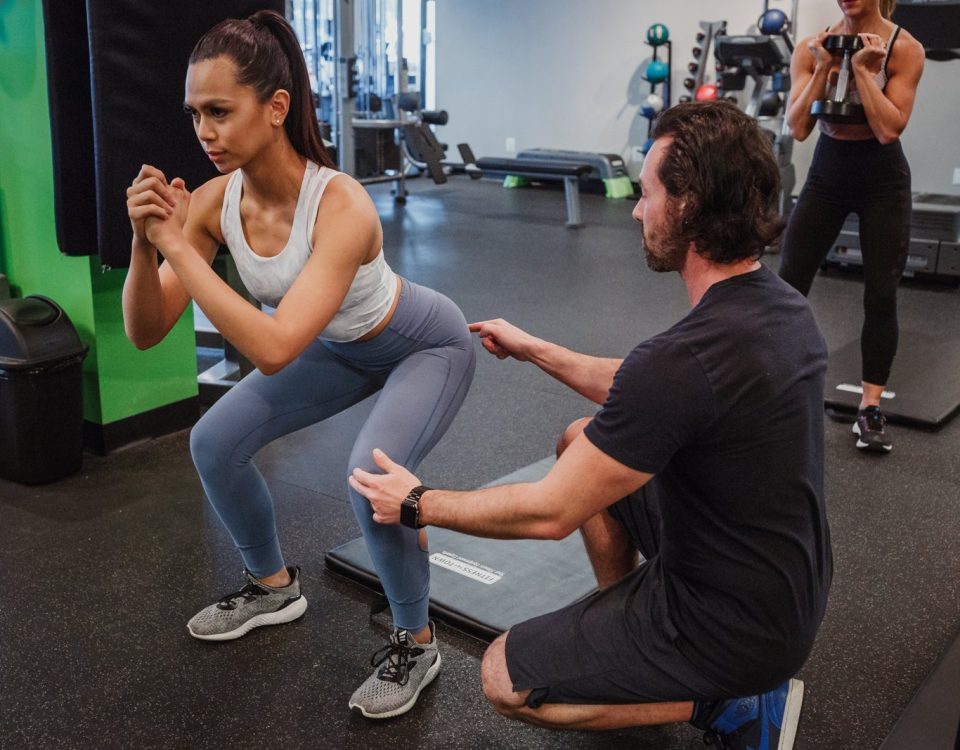
The legs and hips are the primary force producers in the golf swing, while the posterior chain helps create vertical force, stability, and sequencing. That is why proven exercises like deadlifts, hip thrusts, squats, split squats, and step-ups appear repeatedly in golf performance programs.
This matters for recreational golfers and serious players alike. A stronger lower body gives the golfer more force to push into the ground and more potential speed to pass up the chain into the trunk, arms, and club.

2. Train Upper-Body Push and Pull Strength
Golf speed is not just a legs-and-core story. Upper-body pushing and pulling strength help the golfer control the club, maintain structure through impact, and contribute to club and ball speed. Smart programming often includes presses, incline dumbbell work, rows, pull-ups, and pulldowns that create usable strength without overcomplicating training.
3. Add Explosive Power Work
Strength raises the ceiling, but power determines how quickly that strength can be expressed. Research and applied coaching both support using jumps, low-level plyometrics, rotational medicine ball throws, and fast cable movements to build rate of force development. Power work should be low-volume, high-quality, and placed early in a session while the athlete is fresh.

4. Use Dedicated Speed Training
Dedicated swing speed sessions are one of the clearest differences between golfers who talk about distance and golfers who deliberately train for it. Overspeed systems and max-intent driver sessions have shown club head speed gains in the 5 to 8 percent range over four to eight weeks when used with proper rest and progression. The key principle is intent: this is a short, focused session where the goal is to move as fast as possible while fresh and warmed up.
5. Maintain the Mobility Needed to Express Speed
A golfer cannot use speed in positions the body cannot safely reach. Warm-up and mobility work targeting the hips, thoracic spine, and shoulders helps golfers access better turn, separation, and strike positions before training, practice, and play. Dynamic preparation is especially important before max-intent swings.
Common Mistakes That Slow Golfers Down
- Too much fatigue, not enough freshness; speed work drops quickly when piled on top of too much volume.
- No rest between true speed sessions; aim for about three sessions per week with at least 48 hours between similar max-intent exposures.
- Skipping the warm-up and mobility prep before high-speed swings.
- Using only light golf drills and avoiding the heavier strength and power work that drives real adaptation.
- Training hard in the gym but never measuring driver speed, carry, or ball speed.
A Weekly Plan That Fits Real Golfers
| Day | Focus | Why It Matters |
|---|---|---|
| Monday | Lower body and trunk strength | Builds the force-production base for speed. |
| Tuesday | Short speed session plus short game | Adds max-intent speed without excessive fatigue. |
| Wednesday | Upper-body push and pull strength | Supports club control, impact stability, and arm speed. |
| Thursday | Mobility and light technical practice | Maintains positions and aids recovery between harder days. |
| Friday | Mixed strength or back-dominant session | Reinforces strength while keeping the week balanced. |
| Saturday | Round or full practice session | Transfers physical gains to real golf. |
| Sunday | Recovery, mobility, optional putting | Preserves energy and supports adaptation. |
This structure works for in-person training, online coaching, and hybrid models, because the main variables are load management, practice quality, and consistency, not fancy equipment.
Who Benefits Most From Golf Fitness Training
The clearest candidates are golfers who feel they have run out of distance, busy professionals who want efficient training, and players who already practice but want measurable physical gains. It also fits corporate wellness well, because golf is a common relationship-building activity in business, and employers often want staff to feel more confident and less stiff heading into company golf days or client events.
- In-person golf fitness training for golfers in Vancouver, Richmond, and Burnaby who want hands-on coaching and progress tracking.
- Online golf performance coaching for golfers who want a structured program, accountability, and remote feedback.
- Corporate wellness golf workshops for businesses hosting employee golf days, team bonding events, or client rounds.
Frequently Asked Questions About Club Head Speed
How long does it take to increase club head speed?
Many golfers see measurable progress in four to eight weeks with a structured plan that includes strength, power, and dedicated speed work. The exact result depends on training age, golf experience, current speed, and consistency.
Is overspeed training safe?
With a proper warm-up, adequate mobility, sensible volume, and rest days between sessions, overspeed training appears safe and effective for many players. Problems usually come from poor preparation, too much fatigue, or training max-intent too often.
Is strength training really necessary for golf?
The best current evidence suggests yes. Traditional strength and power training improve the physical qualities that support faster swing speeds and better performance. Golfers do not need bodybuilding-style volume, but they do need enough stimulus to get stronger and more explosive over time.
Can older golfers still add speed?
Yes. Age can reduce speed over time, but older golfers can still improve by building strength, maintaining mobility, and using progressive speed work. Often the bigger win is added speed plus better movement quality and confidence during play.
What if a golfer does not want to live in the gym?
That is exactly where good programming matters. Most adult golfers need a focused plan that fits work, family, and golf schedule while targeting the qualities most tied to speed and distance.
Golf Fitness and Swing Speed Training in Vancouver, Richmond & Burnaby
Golfers in Vancouver, Richmond, and Burnaby who want more speed, more distance, and a smarter training plan can benefit from a customized golf performance assessment and program, delivered in person, online, or in a small-group or corporate format.
Businesses planning employee golf days, client entertainment rounds, or team bonding events can also use golf fitness workshops as a practical corporate wellness offering. A short session on mobility, warm-up, swing-speed basics, and injury reduction helps participants feel more prepared and confident on the course.
The strongest next step is to book an assessment, where we look at mobility, strength, and power, then map out a six- to eight-week plan tailored to the golfer’s schedule and goals.
References
Ready to Start Your Fitness Journey?
At TurnFit, we offer in-person personal training at our Kitsilano and Downtown Vancouver locations, online coaching programs with live Zoom calls, and online personal training across Canada. Check out our transparent pricing — no contracts, no hidden fees.
Book a Free 5-Minute Call →