Online personal training has earned a bit of a reputation — and honestly, it’s not undeserved. For a lot of people, “online training” means a generic PDF emailed once, maybe a follow-up email a month later, and then silence. You’re on your own to figure out if you’re doing it right, whether you should progress, or what to do when life gets in the way.
That’s not what I do. My custom online coaching is built to be the opposite of that experience — a real program, built for you, that changes as your life changes. This post walks through exactly what that looks like, who it’s for, and why it works for busy Canadian women from Victoria to Halifax.
What “Custom” Actually Means (And What It Doesn’t)
“Custom” gets thrown around a lot in the fitness industry, so let me be specific about what it actually means when you train with me.
It’s not a generic program downloaded from an app that thousands of other people are also doing. It’s not a YouTube workout you press play on with no one checking whether it’s working for you or whether you’re even doing it.
Custom means your program is built around:
- Your actual equipment — home gym, hotel gym, commercial gym, or just a set of bands
- Your real schedule — three days a week or five, mornings or evenings
- Your injury history — old shoulder issue, cranky knee, low back sensitivity
- Your hormonal context — where you are in perimenopause or menopause, energy patterns, recovery needs
I build the program myself. I check your progress every week. And I adjust based on how you’re actually doing — not on how the plan assumed you’d do on paper. That last part is the whole point. A plan that can’t change with you isn’t really custom.
How TurnFit Online Training Works Week by Week
Here’s the actual process, start to finish.
Onboarding. We start with an assessment questionnaire that covers your goals, training history, weekly schedule, available equipment, and any injuries or limitations I need to know about. This is the foundation everything else is built on — I explain more about how the full program structure comes together on the programs page.
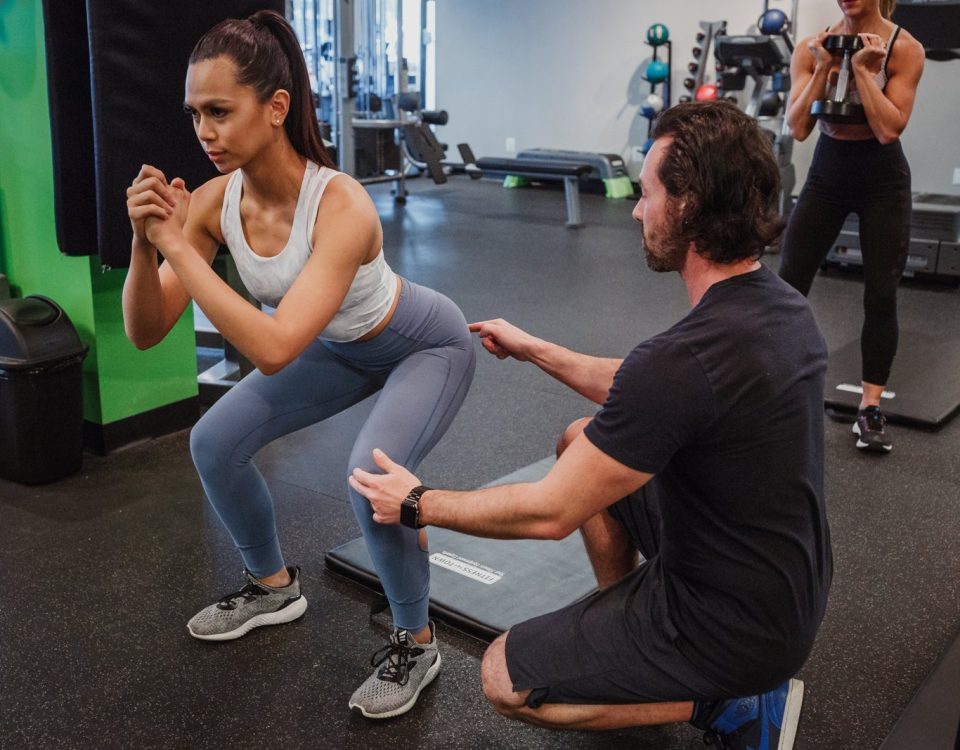
Program delivery. You get a custom weekly plan with videos and form cues for every exercise, so you always know exactly what to do and how to do it safely — no guessing.
Check-ins. Every week, I check in on your progress — weight trends, energy levels, sleep, and how the training actually felt. Did it feel too easy? Too hard? Did something hurt? I need to know.
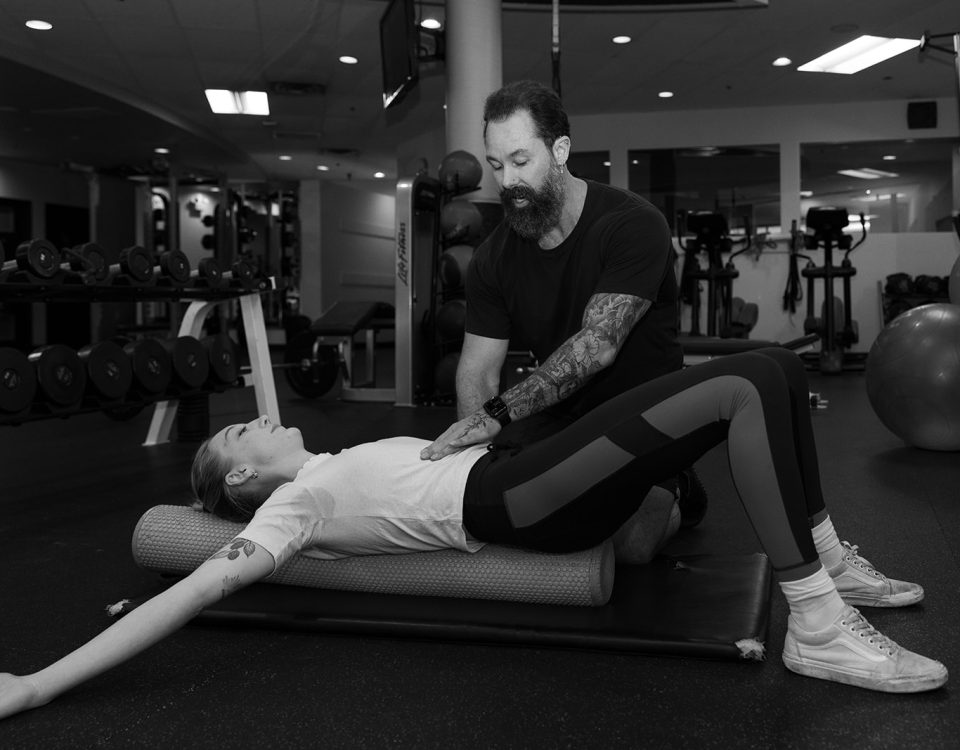
Adjustments. This is what separates real coaching from a static plan. Based on your check-in, I update the program. More volume if you’re recovering well. Less if you’re run down. Modifications if something’s bothering a joint. This is where women dealing with old injuries or mobility limitations benefit most — if that’s you, it’s worth a look at how I approach posture and mobility alongside your strength work.
Communication. You have direct access to me for questions. Not a support ticket. Not a chatbot. Me.
Who It’s Designed For
I built this program specifically for women 35–55, anywhere in Canada — BC, Alberta, Ontario, the Maritimes, all of it. Whether you’re in a highrise in downtown Toronto, a farmhouse outside Calgary, or a townhouse in Halifax, the coaching structure is the same because it’s built around you, not your postal code. A few groups I hear from most often:
- Women who travel for work and need a plan that adapts to hotel gyms, not one that falls apart the moment they leave home
- Women in perimenopause or menopause who need cortisol-aware, hormone-informed programming instead of generic “just work harder” advice
- Women who’ve tried fitness apps and felt like just another account number in a system that doesn’t know their name
- Busy professionals who want a plan they can actually trust, without spending hours every week trying to figure out what to do
If any of that sounds familiar, this is exactly who I built this for. I’ve worked with women who split their time between Vancouver and Ottawa, women managing full-time jobs and family schedules in Winnipeg, and women who simply wanted someone in their corner who actually remembers their history from one week to the next.
What Results Actually Look Like (And the Timeline)
I want to be honest about the timeline, because real results take real time — and knowing what to expect makes the process easier to stick with.
Weeks 1–2: There’s a learning curve. You’re getting used to new movements, new equipment, maybe a new schedule. Some muscle soreness (DOMS) is normal here — your body is adapting.
Weeks 3–6: Strength starts increasing noticeably. Energy improves. The habit of training starts to feel less like a chore and more like part of your week.
Months 2–3: This is where body composition shifts become visible. Clothes fit differently. Confidence in the gym — knowing what you’re doing and why — increases significantly.
Long-term: Consistent training stops being a “project” you’re working on and becomes part of how you live. That shift is really the goal.
None of this happens on a fixed calendar — every woman’s timeline looks a little different depending on starting point, stress load, and consistency. But the pattern above holds remarkably well across almost everyone I coach, whether they started in Vancouver or joined me online from three time zones away.
Common Questions
“What equipment do I need?”
Whatever you have. I can build an effective program around a full home gym or around a resistance band and your bodyweight. Equipment is never the limiting factor.
“How is this different from an app like Fitbod or Future?”
I know your name, your history, and your goals — and I adjust your plan based on you, not an algorithm processing your data. Apps optimize for scale. I optimize for you specifically.
“What if I fall behind?”
The plan adapts. Life happens — travel, illness, a brutal work week. A good coach responds to your actual reality, not a spreadsheet that assumes a perfect week every week.
“Can I do this if I have injuries?”
Yes, with the right modifications. The onboarding assessment covers your injury history specifically so I can build around it from day one, not after something flares up.
How to Get Started
Getting started is simple:
- Book a free assessment call
- I’ll ask about your goals, current fitness level, schedule, and equipment
- You’ll have a custom program within a few days
And if you’re based in the Vancouver area, in-person training is also available at two locations: Kitsilano (3311 W Broadway) and Downtown (180 W Georgia St). Many women actually start in-person and shift to online coaching when travel or schedule changes call for it — or combine both. You can see how the two connect on the online training page.
Wherever you’re training from — a condo gym in Toronto, a home basement in Calgary, or a hotel in Halifax — this program is built to work for your real life, not an idealized version of it. If you’re in Vancouver, I’d also love to see you in person. Either way, the first step is the same.
Ready to start? Book your free assessment call and let’s build a program around your actual life, or learn more about how online training with me works.
Ready to Start Your Fitness Journey?
At TurnFit, we offer in-person personal training at our Kitsilano and Downtown Vancouver locations, online coaching programs with live Zoom calls, and online personal training across Canada. Check out our transparent pricing — no contracts, no hidden fees.
Book a Free 5-Minute Call →