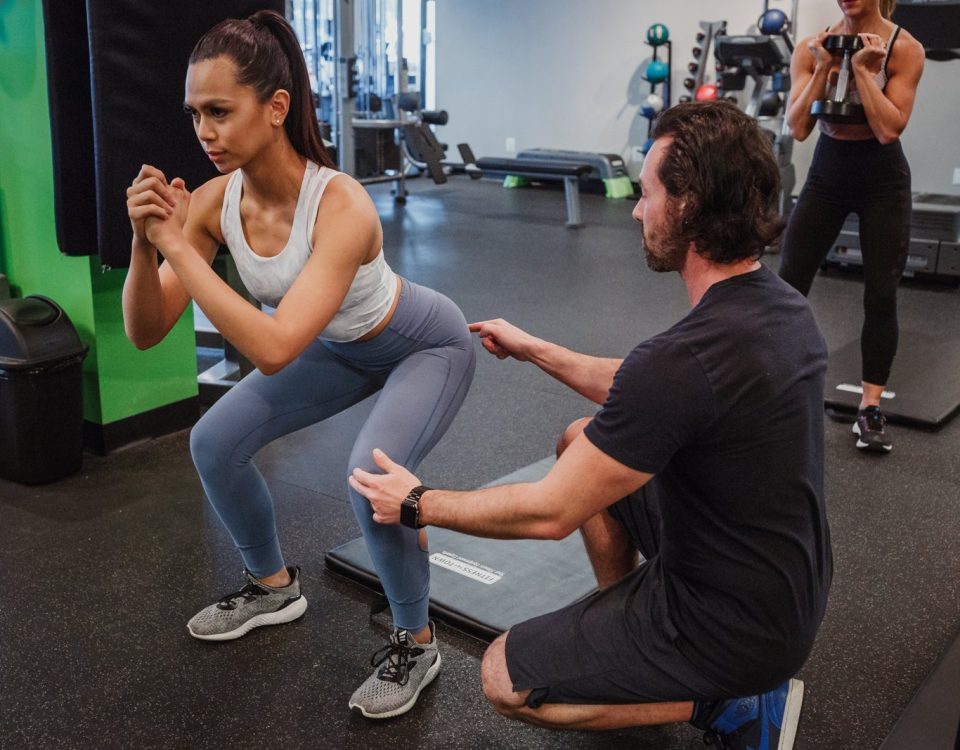

Yes — but it depends entirely on intensity and dose. Exercise below 60% of your maximum effort keeps cortisol neutral or lowers it. Push above that threshold — especially with HIIT — and cortisol rises. For women already under high life stress, repeated high-intensity sessions can keep cortisol chronically elevated, stalling results and deepening fatigue.
You’re putting in the work. Five, maybe six days a week. Spinning, bootcamp, HIIT classes, early-morning gym sessions squeezed between school drop-off and a full inbox. And yet the weight isn’t shifting. You’re exhausted rather than energised. Your sleep is fragmented. The belly fat that wasn’t there at 35 seems glued in place at 45.
You’ve been told to work harder. You’ve wondered if you’re just not disciplined enough. But here is what nobody told you: the training itself might be the problem.
Specifically, it might be flooding your body with cortisol — the stress hormone your body is already swimming in — and locking you into a physiological state where fat storage, poor sleep, and exhaustion are the only possible outcomes.
This is not a motivation problem. It’s a biology problem. And once you understand it, the fix is not more effort. It’s smarter training.
As a Vancouver personal trainer who has worked with hundreds of women aged 35–50 — corporate professionals, mothers, perimenopausal women — I’ve seen this pattern more times than I can count. My name is David Turnbull, owner of TurnFit Personal Trainers with studios in Kitsilano (3311 W Broadway) and Downtown Vancouver (180 W Georgia St). This is the cortisol conversation I wish every woman in Vancouver had access to before she burned herself out chasing a result that was biologically out of reach.
What Is Cortisol? The Stress Hormone Explained Simply
Cortisol is produced by your adrenal glands and regulated by a cascade known as the hypothalamic–pituitary–adrenal (HPA) axis. When your brain perceives a threat — a looming deadline, a difficult conversation, or a high-intensity workout — the hypothalamus fires off a chemical signal (CRH), the pituitary responds with ACTH, and your adrenal glands release cortisol within minutes.
In short bursts, cortisol is your friend. It floods your bloodstream with glucose for fast energy, sharpens alertness, and dials down non-essential functions like digestion and immunity so your body can handle the immediate demand. You couldn’t function without it.
The problem arrives when cortisol never fully switches off — when the on-ramp to the stress response is well-paved and the off-ramp is blocked.
Chronic cortisol elevation does three things that are directly at odds with the results you’re training for:
- It drives visceral fat storage. Visceral adipose tissue (the fat around your organs and waistline) has high expression of glucocorticoid receptors and the enzyme 11β-hydroxysteroid dehydrogenase type 1 (11β-HSD1), which converts inactive cortisone to active cortisol locally — effectively making your belly fat a cortisol amplifier. As Pickering et al. (2016) demonstrated, glucocorticoids promote fat accumulation preferentially in visceral compared to subcutaneous depots.
- It breaks down muscle. Cortisol is catabolic. High chronic levels inhibit muscle protein synthesis and accelerate breakdown — the exact opposite of what strength training is meant to achieve.
- It wrecks sleep. High evening cortisol suppresses melatonin production and disrupts deep sleep architecture. And poor sleep, in turn, raises next-day cortisol. A 10-year longitudinal study — the Whitehall II study (Abell et al., 2016) — found that chronic insomnia led to a steeper morning cortisol rise and a flatter diurnal slope, which is a hallmark of chronic HPA dysregulation.
The vicious cycle looks like this: stress → high cortisol → poor sleep → higher cortisol → harder workout to compensate → even higher cortisol → more fat storage, less recovery, more exhaustion.

The Cortisol–Exercise Paradox: When Your Workout Becomes the Problem
Here is the nuance that most fitness advice skips entirely: exercise is both a cortisol solution and a cortisol trigger — depending completely on how you do it.
Done right, exercise is one of the most powerful tools in existence for lowering chronic cortisol. A landmark 2026 randomised controlled trial from the University of Pittsburgh — the first of its kind to establish causal evidence — found that 150 minutes per week of moderate-to-vigorous aerobic exercise produced a statistically significant reduction in long-term cortisol measured via hair samples: a between-group difference of ΔBG = −0.62 (95% CI: −1.14 to −0.10; p = 0.039). The study included 130 adults (67.7% female), making it directly relevant to the women TurnFit works with every day. Gianaros et al., 2026 — DOI: 10.1016/j.jshs.2026.101135.
Done wrong — too hard, too often, with insufficient recovery — exercise becomes a cortisol amplifier.
The 60% VO₂max Threshold
Research by Budde et al. (2015) established a clear intensity threshold: below 60% of your VO₂max (roughly a moderate effort where you can hold a conversation), exercise produces no significant cortisol elevation above resting levels — and may actively reduce it. Cross that line into vigorous effort and cortisol begins to rise proportionally with intensity. Push to 85–95% of your maximum heart rate — the zone most HIIT classes operate in — and you trigger a marked cortisol spike.
Duration compounds this effect. A 2026 study published in Immunology found that 40 minutes of acute high-intensity exercise significantly increased circulating cortisol levels in healthy adults, while a 5-minute sprint did not. Longer high-intensity sessions mean more cortisol — and with chronic exposure, research shows this dampens T-cell immune function over time.
The HIIT Problem
HIIT has been aggressively marketed as the most efficient fat-burning protocol available. For some populations and some goals, that marketing has merit. But for cortisol management, it sits at the bottom of the evidence pile.
A landmark 2025 network meta-analysis by Li et al. in Sports — the most comprehensive comparison of exercise modalities for cortisol reduction to date, pooling 44 RCTs — ranked exercise types by their SUCRA score (how likely each modality is to be the best intervention). HIIT ranked dead last, and actually tended to increase cortisol rather than reduce it. Every other exercise type studied — yoga, qigong, continuous aerobic exercise, resistance training — outperformed HIIT for cortisol management.
For women in particular, the cortisol spike from HIIT is disproportionately large. A study by Monje et al. (2020) measured salivary cortisol responses in male and female endurance athletes after a HIIT session: women showed a +55% cortisol increase versus just +41% in men — a meaningfully larger hormonal hit from the same workout.
Women and Cortisol: Why Your Biology Makes You More Vulnerable
This is not about being weaker. It’s about being wired differently — and ignoring that difference has real physiological consequences.
The HPA Axis Sex Difference
Women’s stress-response systems are biologically more reactive to psychosocial stressors. Research by Castellanos et al. (2022) established that estradiol enhances HPA axis responsivity while androgens dampen it — meaning women’s hormonal environment is primed to amplify cortisol responses. Women demonstrate both greater adrenal sensitivity (more cortisol produced per unit of ACTH) and weaker negative feedback (a harder time switching the cortisol response off).
Computational modelling of the HPA axis by Androulakis & Rao (2017) predicted exactly this: the female HPA axis has greater adrenal sensitivity and weaker negative feedback, meaning women’s cortisol systems are structurally harder to “turn off” once triggered. The recovery window from any stressor — physical or psychological — is longer in women than in men.
As Epperson & Bale (2015) summarised in Nature Neuroscience: the rapid decline of gonadal hormones in women combined with cellular aging processes creates sex biases in stress dysregulation. The stress-related neuropsychiatric conditions associated with cortisol dysregulation — depression, anxiety, PTSD — occur at twice the rate in women as in men, according to Dalla et al. (2023).
The Menstrual Cycle Layer
Women’s cortisol vulnerability also fluctuates across the month. A meta-analysis of 12 longitudinal studies by Klusmann et al. (2023) found significantly higher cortisol reactivity in the luteal phase (the two weeks after ovulation) compared to the follicular phase. This means that the same HIIT session that was manageable in week one of your cycle may produce a disproportionate cortisol response in week three — a variable that generic fitness programming never accounts for.
The Perimenopause Amplifier
If you’re between 40 and 55, perimenopause adds another layer. A longitudinal study of 127 women — the Swiss Perimenopause Study (Süss et al., 2021) — documented that cortisol levels measurably increase during the perimenopausal transition as estradiol and progesterone decline.
The mechanism is compounded by visceral fat biology: as estrogen declines, 11β-HSD1 activity in visceral adipose tissue increases, as documented by Walker et al. (2009). This means your abdominal fat depot is actively amplifying cortisol locally — an effect that worsens as estrogen falls. And research by Rubinow et al. (2016) showed that weekly fluctuations in estradiol directly predicted morning cortisol levels in perimenopausal women — the more volatile your hormones, the more dysregulated your cortisol.
If you are perimenopausal and training hard six days a week with insufficient recovery, you are not overcoming your hormones — you are pouring fuel on a fire your body is already struggling to contain.
Signs You’re Overtraining (And Raising Your Cortisol)
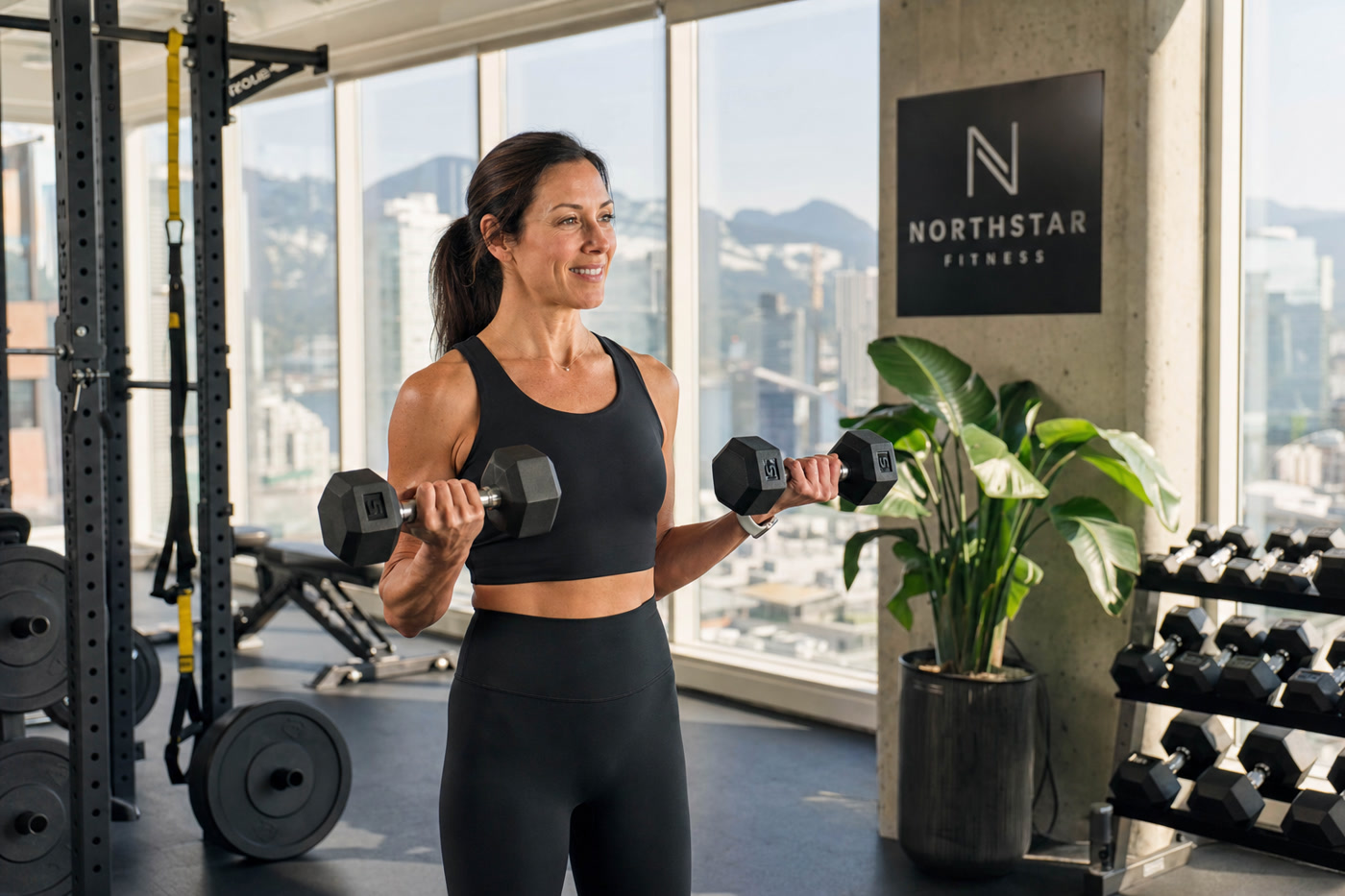
Overtraining Syndrome (OTS) exists on a spectrum. Most women experiencing cortisol-driven overtraining are not in a clinical OTS state — they’re in what researchers call functional overreaching (FOR): a state where the training stimulus has outpaced the body’s capacity to recover, and cortisol is chronically elevated as a result.
The EROS Study (Cadegiani & Kater, 2017) — the most rigorous investigation of HPA axis function in overtraining — found that athletes in OTS showed blunted ACTH and GH responses to stimulation tests, alongside reduced testosterone-to-estradiol ratio, worsened mood, immunological disruption, and increased muscle breakdown. The HPA axis, after prolonged overtraining, essentially burns out.
A 2019 study by Leitão et al. on CrossFit athletes found that women showed consistently higher cortisol levels than men at every time point in a five-day-per-week training protocol (p = 0.002–0.028). Women’s testosterone-to-cortisol (TC) ratio was lower than men’s throughout — indicating a greater catabolic stress load relative to anabolic capacity. The women were working just as hard but paying a disproportionately higher biological price.
Here are the warning signs that your training is driving cortisol rather than controlling it:
- You’re tired but wired. You feel exhausted during the day but can’t fall asleep or stay asleep at night. Elevated evening cortisol is the primary driver of this pattern.
- You’re gaining fat despite training consistently. Particularly in the abdominal area — the visceral depot that cortisol preferentially targets via the 11β-HSD1 pathway.
- You’re getting sick more often. Chronically elevated cortisol suppresses immune function. As the Immunology 2026 study found, chronic cortisol exposure dampens T-cell effector functions.
- Your workouts feel harder, not easier. Despite consistent training, performance is flat or declining. This is a classic marker of HPA axis overactivation.
- Your mood is fragile. Irritability, low motivation, and anxiety that seems disconnected from actual life events often reflects cortisol dysregulation.
- You’re craving sugar and salt intensely. Cortisol drives glucose mobilisation and dysregulates appetite signalling — especially for energy-dense foods.
- Your periods are irregular or have stopped. The HPA axis competes directly with the reproductive (HPG) axis. Chronic cortisol elevation suppresses LH, FSH, and ultimately ovarian function.
- Recovery feels impossible. Muscle soreness that lasts 3–4 days rather than 24–48 hours signals that cortisol is outpacing testosterone’s repair capacity.
If you recognise four or more of these signs, your programme needs redesigning — not intensifying.
The Science of Cortisol-Smart Training
Understanding what the evidence actually recommends — rather than what fitness culture promotes — changes everything.
The Optimal Dose: 150 Minutes of Moderate Exercise Per Week
The 2025 network meta-analysis by Li et al. identified an inverted U-shaped dose-response relationship between exercise volume and cortisol reduction. The sweet spot: approximately 530 MET-minutes per week — equivalent to roughly 90–150 minutes of moderate-intensity exercise. Above this dose, benefits plateau; significantly above it, cortisol actually rises.
This aligns precisely with the Pittsburgh 2026 RCT’s 150 min/week protocol that produced significant hair cortisol reductions. It also falls squarely within the WHO’s recommended 150–300 minutes per week of moderate activity — confirming that these public health guidelines have a direct physiological rationale in cortisol biology, not just cardiovascular health.
The meta-analysis also found optimal session parameters: 30–60 minutes per session, more than three sessions per week. Longer intervention periods predicted greater cortisol reductions. This is not quick-fix territory — it is consistent, appropriately dosed training over months.
Exercise Type Rankings for Cortisol
The 2025 NMA ranked exercise modalities by SUCRA (Surface Under the Cumulative Ranking curve — essentially, how likely each modality is to be the best option):
| Exercise Type | SUCRA Rank | Cortisol Effect (SMD) |
|---|---|---|
| Yoga | 1st — 93% | −0.59 (95% CI −0.90 to −0.28) |
| Qigong / Tai Chi | 2nd | Significant reduction |
| Multicomponent exercise | 3rd | Significant reduction |
| Continuous aerobic (moderate) | 4th | Significant reduction |
| HIIT | Last | Tended to increase cortisol |
Yoga’s effectiveness operates through parasympathetic nervous system activation and vagal tone enhancement — it essentially creates a biological counterweight to the HPA axis’s stress response. Restorative practices trigger the rest-and-digest state that chronically stressed women rarely access outside of sleep.
Resistance Training: The Underrated Tool
Moderate resistance training occupies a valuable middle ground. A review by Forsse et al. (2021) confirmed that prolonged aerobic exercise at higher intensities significantly elevates cortisol compared to similar resistance training. Bogdanis et al. (2022) characterised a single bout of resistance exercise as producing only “mild HPA axis stimulation” — significantly less than cardio at equivalent duration.
Quantitatively, a strength session produces a Δ cortisol of approximately −6.02% — a net reduction, as documented by de Mello et al. (2016). Regular moderate resistance training leads to HPA axis habituation over time, progressively lowering baseline cortisol.
Resistance training also directly stimulates testosterone, IGF-1, and growth hormone — the anabolic hormones that buffer cortisol’s catabolic effects and drive the body composition changes you’re actually training for.
Building Your Cortisol-Smart Workout Plan

A cortisol-smart programme is not a low-effort programme. It is a strategically calibrated one — designed to deliver the training stimulus your body needs for adaptation while staying within the cortisol-neutral zone that allows recovery, fat metabolism, and hormonal balance to function.
The Core Framework
Weekly structure for a woman 35–50 carrying high life stress:
- 2–3 moderate resistance training sessions (45–60 min) — compound movements (squats, deadlifts, rows, presses) at 50–70% of 1RM. This is the backbone: anabolic stimulus, mild HPA activation, body composition results.
- 1–2 moderate aerobic sessions (30–45 min) — brisk walking, cycling, swimming, or rowing at a pace where you can speak in sentences. Under 60% VO₂max. This is where the cortisol-lowering effects of aerobic exercise operate.
- 1–2 mobility/recovery sessions (30–45 min) — yoga, Pilates, restorative stretching. These are not “bonus” activities. They are where the parasympathetic reset happens. Explore TurnFit’s approach to posture and mobility work as a formal component of any program.
- Minimum 2 full rest days per week. Non-negotiable. Recovery is when adaptation occurs.
What to Cut (Temporarily)
If you are showing four or more overtraining signs, the most effective intervention is immediate volume reduction. Cut high-intensity sessions first. Replace, don’t remove — a HIIT class becomes a moderate strength session; a bootcamp becomes a yoga class. Your body will not lose fitness in two to four weeks of reduced intensity. It will, however, begin to down-regulate cortisol and restore HPA axis responsiveness.
Intensity Monitoring Without Technology
You don’t need a heart rate monitor to train in the cortisol-neutral zone. Use the Talk Test: if you cannot speak a full sentence while exercising, you are likely above 60% VO₂max and entering cortisol-elevation territory. Dial back until you can. This sounds simple because it is.
Sleep as a Training Variable
Sleep is not a lifestyle choice separate from training — it is a physiological requirement for cortisol regulation. The Suchecki et al. (2024) editorial on sleep and neuroendocrinology documents a bidirectional relationship: women with higher cortisol have worse sleep quality, and women with poor sleep quality have higher cortisol. A study of white-collar workers (Dahlgren et al., 2005) found that high-stress work weeks directly increased cortisol patterns and decreased total sleep time.
Prioritise a consistent sleep window above any other lifestyle change. Seven to nine hours is not a luxury — it is the hormonal reset your training programme depends on.
Cortisol and Corporate Women: The Double Load
Vancouver is one of Canada’s most professionally demanding cities — high cost of living, competitive industries, and a culture of high performance that applies to careers and fitness equally. For the women living this reality, the cortisol load from life and work arrives at the gym already fully stocked.
According to Statistics Canada (2023), 22.7% of employed Canadian women report high or very high levels of work-related stress — meaningfully higher than the 19.7% rate for men. The most common drivers are heavy workload and work-life balance — the exact profile of the TurnFit client who arrives at our Downtown Vancouver studio at 6 AM after a short, disrupted sleep.
The burnout picture is worsening. According to the Prosperity Project (2023), 77% of Canadian women have considered quitting their jobs due to work-related issues, and women are more likely than men to have already quit due to stress or burnout (39% vs. 25%). The Canadian HR Reporter (2024) reports that women’s burnout rate has risen to 42% — up from 38% the prior year — while men’s burnout actually decreased in the same period. For women aged 35–44, the rate hit 48%.
These are not abstract statistics. They are the hormonal background against which your training programme operates.
The Cortisol Double Load
A working woman in Vancouver carries what I call the cortisol double load: the occupational cortisol burden from deadlines, management pressure, commuting, and digital always-on culture, stacked directly beneath the training cortisol burden from a programme designed without any regard for her pre-existing stress load.
Research by Mikulits et al. (2018) confirmed that burnout populations show significantly higher salivary cortisol at midday and nadir compared to healthy controls. When those same people then perform high-intensity exercise, they are adding an acute cortisol spike to an already-elevated baseline — with no physiological headroom for recovery.
A 2021 meta-analysis of 23 workplace wellness studies (Kaltenegger et al.) involving 16,432 employees found that structured workplace exercise interventions significantly reduced the inflammatory biomarker CRP (d = −0.61, p<0.001). But the key word is “structured” — targeted, appropriately dosed programmes designed to reduce physiological stress, not add to it.
This is precisely why TurnFit’s corporate wellness programs for Vancouver companies are built around cortisol-smart principles from the ground up — not generic bootcamp formats brought into boardrooms.
How TurnFit Builds Cortisol-Smart Programs

At TurnFit, every program begins with an assessment — not a fitness test, but a whole-person audit. We look at training history, sleep quality, life stress levels, hormonal stage (including perimenopause), work demands, and recovery patterns. Only once we understand the cortisol environment you’re already living in do we design a programme.
This approach, developed by David Turnbull — BCRPA-certified, 8-time Top Choice Award winner, and holder of more than 240 Google reviews — is what distinguishes TurnFit from generic fitness programming. David and his team don’t prescribe effort. They prescribe intelligence.
In-Person Training: Kitsilano and Downtown Vancouver
Our two Vancouver studios offer personalised one-on-one and small-group programming:
- Kitsilano Studio — 3311 W Broadway, Vancouver
- Downtown Studio — 180 W Georgia St, Vancouver
Every client receives a programme calibrated to their current cortisol load. For a perimenopausal corporate professional who is already training five days a week and not seeing results, the first intervention is almost never more exercise — it is a strategic restructuring that lowers intensity, increases recovery, and builds from a sustainable physiological baseline.
Book a free cortisol-smart assessment with TurnFit Vancouver →
Custom Online Training — Available Canada-Wide
You don’t need to be in Vancouver to train with TurnFit. Our custom online training programs are built on the same cortisol-smart framework as our in-person work — personalised to your schedule, your stress load, your hormonal stage, and your goals. Women in Calgary, Toronto, and Victoria are training with TurnFit online and seeing the same transformation that comes from finally having a programme built around their biology, not against it.
Online clients receive full program design, video demonstrations, check-in protocols, and ongoing adjustment as their cortisol response and recovery patterns shift. This is not an app. It is a coaching relationship. Explore TurnFit custom online training programs →
Corporate Wellness — For Vancouver Companies
TurnFit works directly with Vancouver-based companies to design workplace wellness programs that actually move the needle on cortisol and burnout. Given that 42% of Canadian women are currently experiencing burnout and nearly half of 35–44 year-olds are affected, this is not a fringe concern for HR departments — it is a direct productivity and retention issue.
Our corporate programs combine education on cortisol biology, structured movement protocols appropriate for high-stress populations, and measurable outcomes. We work with your organisation’s schedule and culture — not a generic wellness script. Inquire about TurnFit corporate wellness for your Vancouver company →
The TurnFit Cortisol-Smart Principles
- Assess before prescribing. The right programme for a rested, low-stress 35-year-old is not the same as the right programme for a sleep-deprived, perimenopausal 47-year-old corporate manager.
- Moderate intensity is not a compromise. It is where the majority of cortisol-lowering adaptations happen — confirmed by the largest RCT on the subject ever conducted.
- Resistance training is the anchor. It builds muscle (which raises resting metabolic rate), stimulates anabolic hormones that buffer cortisol, and produces the body composition changes clients actually want — with a fraction of the cortisol cost of HIIT.
- Recovery is programmed, not optional. Mobility, sleep, and rest days are on the schedule with the same priority as training days.
- Progress is non-linear and that’s normal. A week of high life stress legitimately changes what your body can handle in training. Adjusting intensity based on recovery is not giving up — it is optimising for long-term results.
Explore the full range of TurnFit program options to find the right fit for your situation.
Frequently Asked Questions
Does exercise raise or lower cortisol?
Both — depending on intensity and dose. Moderate exercise (below 60% VO₂max) keeps cortisol neutral or lowers it long-term. High-intensity exercise (above 60–65% VO₂max) raises cortisol acutely. If high-intensity training is performed repeatedly without adequate recovery, or on top of an already-elevated cortisol load from life stress, it can contribute to chronically elevated cortisol levels. The sweet spot for cortisol reduction is 90–150 minutes of moderate activity per week, as identified in the 2025 network meta-analysis by Li et al.
What are the signs that I’m overtraining and raising my cortisol?
Key signs include: persistent fatigue despite rest, disrupted sleep (especially difficulty falling asleep or staying asleep), belly fat that won’t budge despite consistent exercise, declining workout performance, increased susceptibility to illness, intense sugar or salt cravings, mood instability, and very slow recovery from soreness. Four or more of these signs together suggest your training programme needs restructuring, not intensification.
Why do women respond to HIIT differently than men in terms of cortisol?
Women’s HPA axis (the cortisol production system) has greater adrenal sensitivity and weaker negative feedback regulation, meaning cortisol rises higher and takes longer to come back down after a stressor. Estradiol amplifies HPA reactivity while testosterone dampens it — so women’s hormonal environment is primed to produce larger cortisol responses than men’s. In a study by Monje et al. (2020), women showed a 55% cortisol spike from HIIT versus 41% in men from the same session.
Does perimenopause make cortisol problems worse?
Yes. The Swiss Perimenopause Study (Süss et al., 2021) documented that cortisol measurably increases during the perimenopausal transition as estradiol and progesterone decline. Additionally, declining estrogen increases 11β-HSD1 enzyme activity in visceral fat, amplifying local cortisol action in the abdominal depot. For perimenopausal women, high-intensity training without sufficient recovery is especially likely to worsen cortisol dysregulation at precisely the time the body is already struggling to regulate stress hormones.
Is yoga actually effective for lowering cortisol, or is it just trendy?
The evidence base is strong. In the 2025 network meta-analysis of 44 RCTs (Li et al., Sports), yoga ranked first for cortisol reduction with a SUCRA score of 93% — the highest of any exercise modality tested. Effect size: SMD −0.59 (95% CI −0.90 to −0.28). The mechanism is parasympathetic nervous system activation and vagal tone enhancement — yoga creates a direct biological counterweight to HPA axis stress activation. Restorative yoga and mindfulness-based practices are considered first-line non-pharmacologic interventions for cortisol management.
Can I still do HIIT if I’m stressed and trying to manage cortisol?
Yes — but with significant caveats. If you are showing signs of elevated cortisol or overtraining, HIIT should be the first thing reduced, not the last. Once cortisol is regulated (typically after 4–8 weeks of volume-adjusted training), limited HIIT can be reintroduced strategically — ideally 1 session per week with full recovery days before and after. High-stress weeks call for automatic downshifts in intensity. For most chronically stressed women aged 35–50, HIIT works best as an occasional tool rather than a training foundation.
How long does it take for cortisol-smart training to produce results?
Initial improvements in energy, sleep quality, and mood are typically noticeable within 2–4 weeks of reducing training intensity and adding recovery work. Measurable changes in body composition typically follow at 6–12 weeks. The Pittsburgh 2026 RCT used a 12-month intervention to achieve significant hair cortisol reduction — meaningful hormonal change takes time. Sustainable results require a training programme that can be maintained consistently over months, not weeks. This is precisely why cortisol-smart training — moderate intensity, appropriate volume, built-in recovery — produces lasting outcomes where unsustainable high-intensity programmes fail.
Where can I find a personal trainer in Vancouver who specialises in cortisol-smart training for women?
TurnFit Personal Trainers, led by David Turnbull (BCRPA certified, 8x Top Choice Award winner, 240+ Google reviews), offers cortisol-smart personal training at two Vancouver locations: Kitsilano (3311 W Broadway) and Downtown (180 W Georgia St). TurnFit also offers custom online training programs available across Canada, and corporate wellness programs for Vancouver companies. Book a free assessment at https://turnfit.ca/assessment/ or call +1 (778) 887-0660.
Ready to Train With Your Hormones, Not Against Them?
If you’ve been working out consistently and not seeing results — or feeling worse, not better — it’s time for a programme built around your actual biology. TurnFit’s cortisol-smart approach has helped hundreds of Vancouver women aged 35–50 finally break through the plateau and feel strong, energised, and in control again.
Book Your Free Assessment (Vancouver)
Explore Custom Online Training (Canada-Wide)
TurnFit Personal Trainers Ltd — Kitsilano: 3311 W Broadway | Downtown: 180 W Georgia St, Vancouver | ☎ +1 (778) 887-0660
Ready to Start Your Fitness Journey?
At TurnFit, we offer in-person personal training at our Kitsilano and Downtown Vancouver locations, online coaching programs with live Zoom calls, and online personal training across Canada. Check out our transparent pricing — no contracts, no hidden fees.
Book a Free 5-Minute Call →