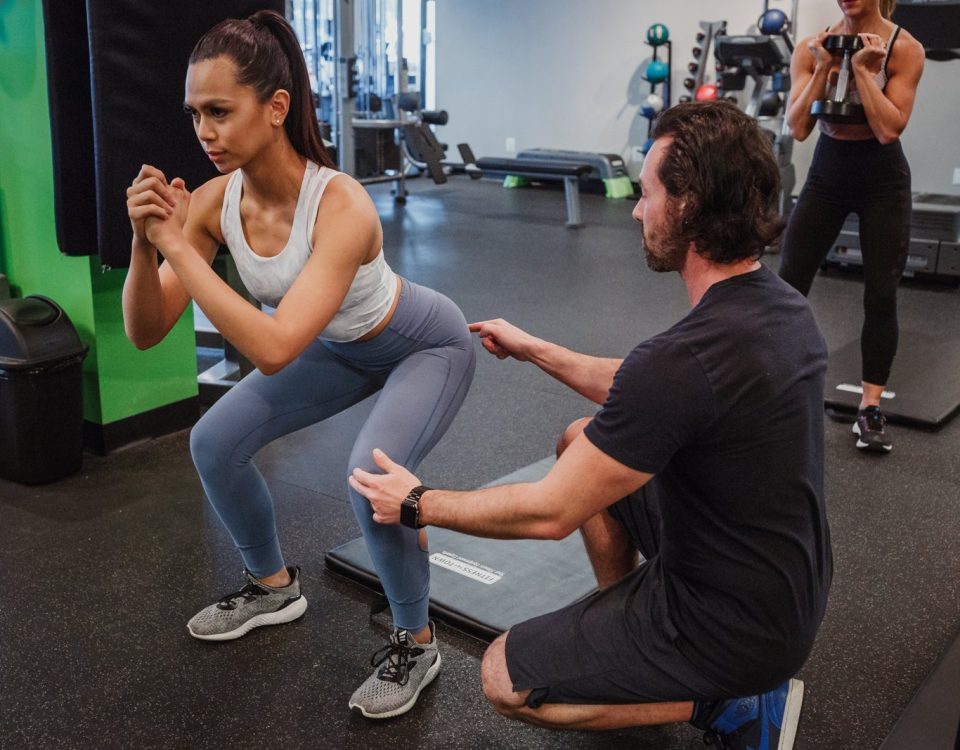
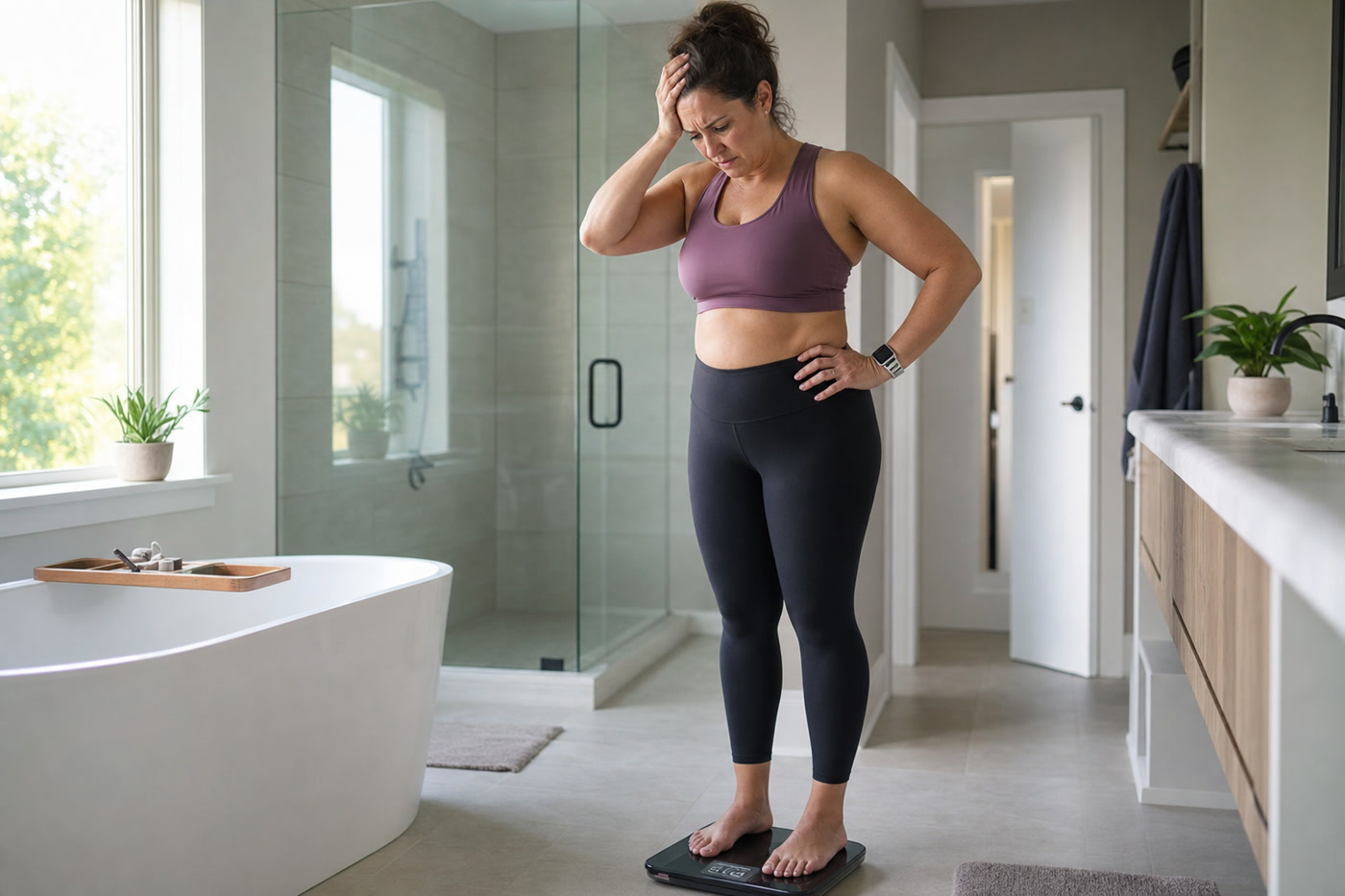
You’ve been consistent for three months. You’re training four days a week, eating more protein, drinking your water. Your jeans zip up without that holding-your-breath maneuver. Your arms look different. Your posture is better. People are asking what you’ve been doing.
But the scale? Barely moved.
If you’re a woman over 35 in Vancouver, this is one of the most common — and most demoralizing — experiences in fitness. And it’s based on a complete misunderstanding of what’s actually happening in your body.
What you’re experiencing has a name: body recomposition. And the research is clear — it’s not just real, it’s often a better goal than weight loss for women in your stage of life.
This post breaks down what body recomposition actually is, why the scale is lying to you, what the science says about perimenopause and body composition, and how body recomposition in Vancouver — with the right guidance — can work for you.
The Scale Lie Nobody Warned You About
Here’s a number worth knowing: 60% of Canadians struggled to meet their most recent weight loss resolution (Nanos Research/Felix Health, 2025). An estimated 14 million Canadians plan to try again this year despite past setbacks. And more than 80% of lost weight is regained within five years (Perri et al., 2018 meta-analysis of 29 long-term weight loss studies).
The problem isn’t your willpower. The problem is the goal itself — or more precisely, the metric you’re using to measure it.
The scale measures one thing: total body mass. It doesn’t know whether that mass is muscle, fat, water, bone, or the lunch you just ate. It can’t tell the difference between a body that is getting stronger and leaner and one that isn’t. Yet most women (and most fitness programs) treat the number on the scale as the primary — sometimes the only — measure of success.
That’s a fundamental mismatch between the tool and the goal. And for women over 35, it’s particularly damaging.
Quick Answer: What Is Body Recomposition?
Body recomposition is the simultaneous process of losing fat and gaining (or preserving) muscle mass — often with little to no change in total body weight. It’s what’s happening when your clothes fit better but the scale doesn’t move. For women over 35, body recomposition is frequently a better goal than weight loss because it improves health, metabolism, and appearance at the same time.
What Is Body Recomposition? (And Why It’s Different From Weight Loss)
Weight loss is simple: your total body mass decreases. You could achieve this by losing fat, losing muscle, losing water, or some combination. The scale doesn’t care which one.
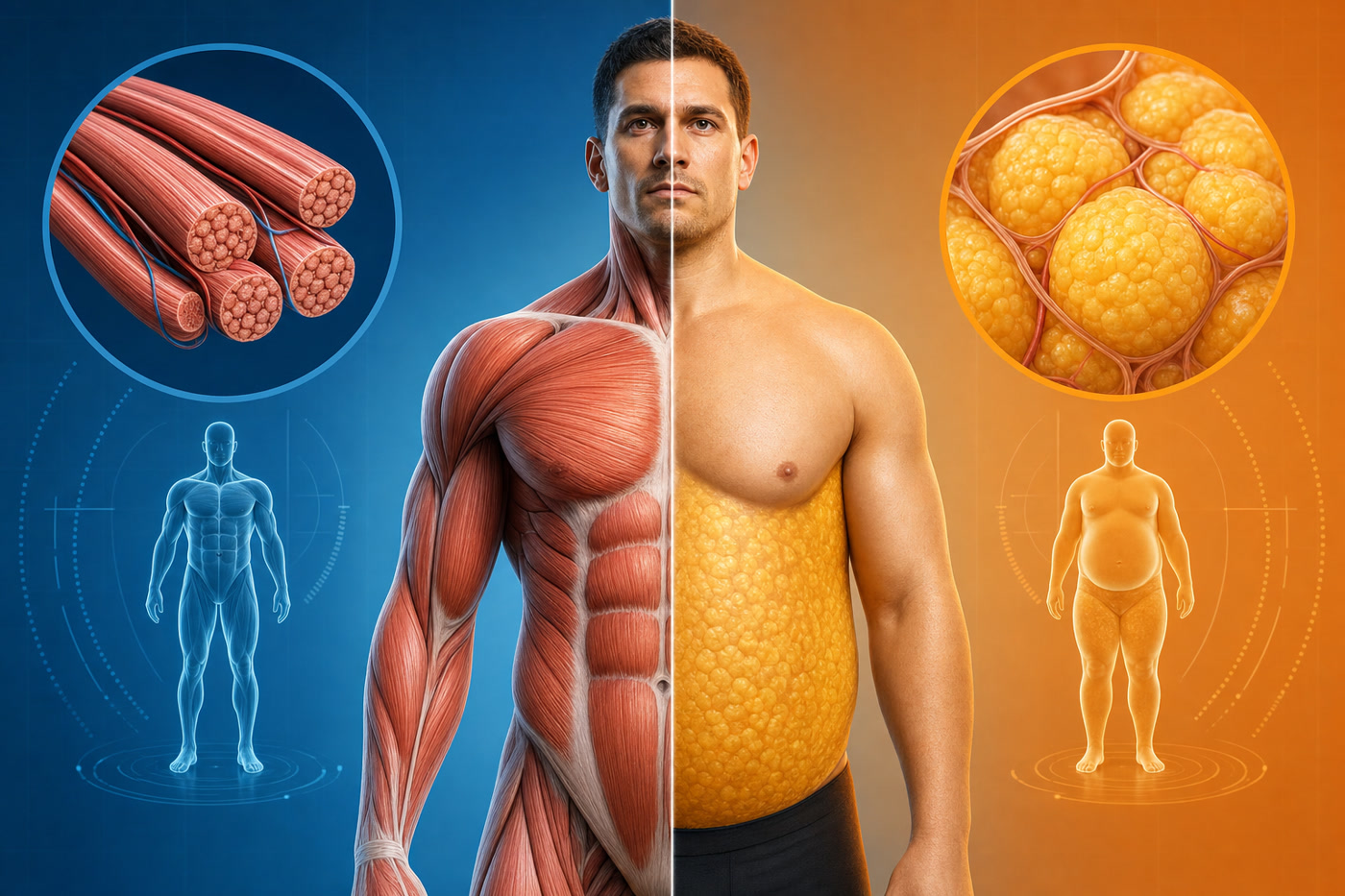
Body recomposition is different. It’s a specific physiological process: fat mass decreases while lean muscle mass is maintained or increased. Your body weight might stay exactly the same — or change very little — but your body composition transforms.
For a long time, exercise scientists believed this was impossible. The prevailing view was that fat loss requires a caloric deficit, while muscle gain requires a caloric surplus — and you can’t be in both states simultaneously. That view has now been thoroughly overturned.
A landmark review by Barakat et al. (2020) in the Strength and Conditioning Journal — co-authored by Brad Schoenfeld, arguably the world’s leading researcher on muscle hypertrophy — confirmed that body recomposition occurs not just in beginners but in resistance-trained individuals as well. The two key drivers are progressive resistance training and evidence-based nutrition (especially adequate protein).
A comprehensive 2022 review in Revista Brasileira de Cineantropometria (Vecchio, 2022) confirmed that body recomposition has been demonstrated across adolescents, sedentary adults, physically active adults, older adults, people with excess weight, and athletes — all measured via MRI, DEXA, four-compartment models, and muscle biopsies to rule out measurement errors.
The mechanism makes biological sense. Muscle building happens primarily in your skeletal muscle tissue, driven by mechanical loading (resistance training) and amino acid availability from protein. Fat burning happens primarily in your adipose tissue via lipolysis and beta-oxidation. These two processes occur in different tissues using different substrates and signaling pathways. They can run simultaneously.
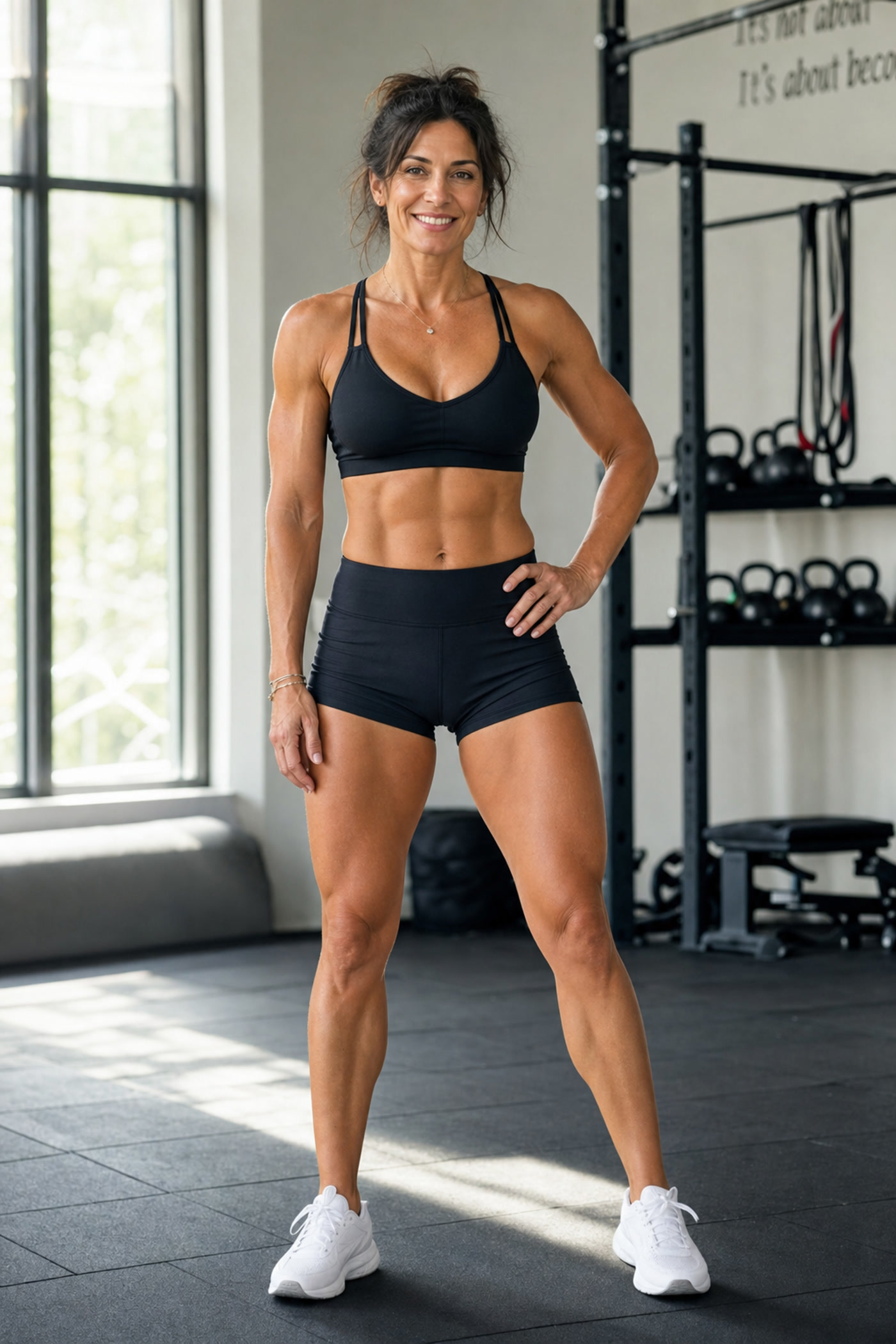
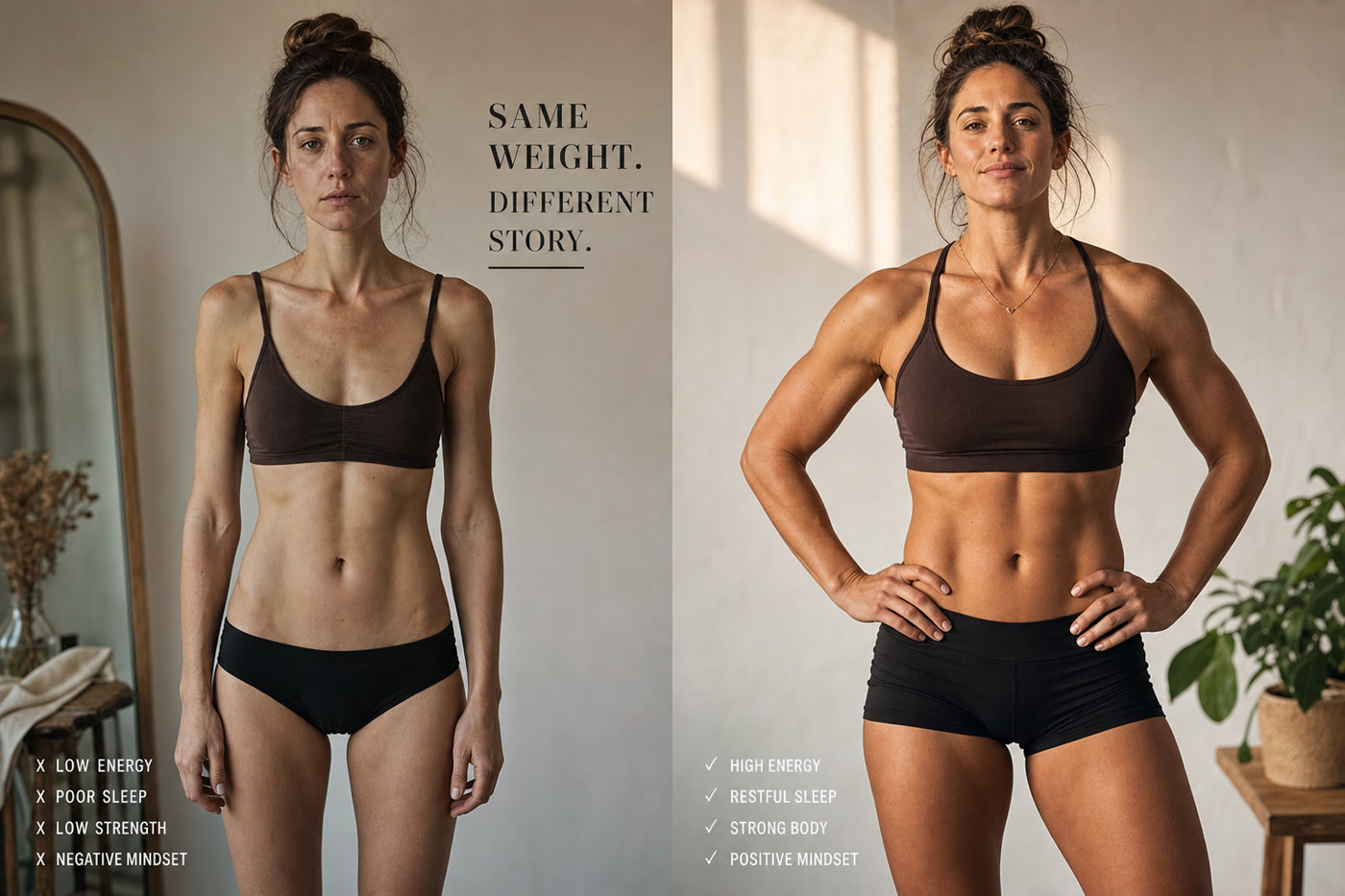
What this means for you, practically: a woman who gains 2 kg of muscle and loses 2 kg of fat over 12 weeks has accomplished something extraordinary — dramatically better health markers, a completely different physique, improved metabolism, stronger bones. But her scale reads identically to where she started.
If she’s measuring success by the scale, she thinks she failed. If she understands body recomposition, she knows she won.
Why the Scale Is a Terrible Measurement Tool for Women Over 35
For any woman, the scale is an incomplete tool. For women over 35, it becomes actively misleading.
One of the most compelling pieces of evidence comes from the SWAN cohort study (Greendale et al., 2019, JCI Insight) — a long-term study that followed 234 women from perimenopause through postmenopause and tracked their body composition using DEXA scans.
The finding was striking: during the menopausal transition, the rate of fat gain doubled — from 1.0% to 1.7% per year — while lean mass declined simultaneously. Total fat mass increased by an average of 6% (+1.6 kg) over the transition. Lean mass shifted from increasing at +0.2%/year before the transition to decreasing at −0.2%/year during it. The scale showed none of this. Body weight change appeared unremarkable while significant body composition deterioration was happening invisibly.
This isn’t an edge case. It’s the standard experience for women in their late 30s and 40s.
BMI fares no better. Mainous et al. (2025) in the Annals of Family Medicine, using a nationally representative cohort with 15-year mortality follow-up, found that BMI had no statistically significant relationship with all-cause mortality in adjusted models, while body fat percentage was strongly predictive (adjusted HR 1.78; p<0.001). Body fat percentage is simply a better predictor of health risk.
The DEXA scan, by contrast, directly measures fat mass, lean mass, and bone mineral density — including regional fat distribution (visceral vs. subcutaneous). It can detect body recomposition that the scale misses entirely. In Vancouver, BodyStats Vancouver at 316 Carrall Street offers clinical-grade DEXA scans for $29.99 per scan — one of the most affordable options in Canada.
BMI is also notoriously inaccurate for individual women. A comparison of obesity classification by BMI versus DEXA (2009) found that BMI misclassified 34.7% of women compared to the DEXA gold standard. More than one in three. And per Reeves et al. (2023) in BMC Medical Imaging, BMI’s correlation with actual body fat weakens with age — meaning it becomes less accurate, not more, for the women who face the greatest body composition risks.
Better metrics to track your actual progress:
- DEXA body composition scan — direct fat mass and lean mass measurement
- Waist circumference — Statistics Canada (2025) found 55% of Canadian women have abdominal obesity by this measure
- Waist-to-hip ratio — Åberg et al. (2023) in Communications Medicine found WHR predicted liver disease with an AUC of 0.714 versus BMI’s 0.550 in a study of 40,922 adults
- Strength metrics — how much weight you can lift for how many reps
- Clothing fit and photos — the mirror is a better tool than the scale
- Energy levels, sleep quality, and mood — meaningful health outcomes
The Science: Can You Really Lose Fat AND Gain Muscle at the Same Time?
Yes. The research on this is now robust enough that there’s a formal body recomposition literature in sports nutrition. Here’s what the key studies actually show.
The Direct Evidence
A 2024 randomized clinical trial by De Resende-Neto et al. (Healthcare, 2024) specifically examined postmenopausal women in a resistance training program. Both training groups increased lean mass from week 8 and reduced total fat percentage from week 12 — and critically, no differences were found for body mass (scale weight). Strength gains appeared from week 4. This is a direct controlled demonstration that significant body recomposition occurs with zero net change on the scale.
Pina et al. (2020) in the Journal of Strength and Conditioning Research studied older women on resistance training programs and found lean soft tissue increased significantly (+1.7% in both frequency groups) while body fat decreased — again demonstrating simultaneous recomposition.
What Happens When You Diet Without Training
The comparison with diet-only approaches is stark. Weiss et al. (2007) in the Journal of Applied Physiology compared two groups of 50–60 year olds who lost identical amounts of weight (~8 kg each) through two different methods: caloric restriction alone versus exercise-induced weight loss.
The results were eye-opening:
- Caloric restriction group: Thigh muscle volume decreased −6.9% (−110 cm³); knee flexor strength decreased −7.2%; VO2max decreased −6.8%
- Exercise group: Thigh muscle volume showed no significant change (+0.49%); strength maintained; VO2max increased +15.5%
Same weight lost. Completely different bodies. The caloric restriction group became lighter and weaker. The exercise group became the same weight and stronger, with a significantly better cardiovascular system.
This is why weight loss as a goal — without specifying what kind of weight — is incomplete. You can lose weight and end up in worse health. You can stay the same weight and end up in dramatically better health. The scale cannot tell the difference.
Dieting without training also compounds over time. Nicklas et al. (2011) in the American Journal of Clinical Nutrition found that when postmenopausal women regained weight after intentional weight loss, more fat than lean mass returned — leaving them with permanently worse body composition than before they started. Repeated diet cycles without resistance training progressively worsen your body composition, not improve it.
Perimenopause, Estrogen, and Body Composition: The Real Story
If you’re a Vancouver woman between 35 and 55, perimenopause is either already underway or approaching — and it has major implications for your body composition goals.
The SWAN cohort data tells part of the story. But the mechanisms go deeper than just numbers on a scan.
What Estrogen Decline Actually Does to Your Body
Estrogen isn’t just a reproductive hormone. It plays a critical role in metabolic regulation. According to Ko & Jung (2021) in Nutrients, declining estradiol:
- Downregulates genes involved in beta-oxidation — meaning your body becomes less efficient at burning stored fat for energy
- Upregulates fat accumulation genes — your body stores fat more readily
- Increases visceral fat lipolysis, releasing excess free fatty acids into the portal bloodstream, driving insulin resistance
- Shifts fat distribution from peripheral depots (hips, thighs) toward abdominal/visceral fat
The result is what Fenton (2021) in the Journal of Mid-Life Health describes as a metabolic trap: ATP production from fat oxidation decreases while fat synthesis increases simultaneously.
Meanwhile, the ERMA Study (Juppi et al., 2020) in the Journal of Clinical Medicine, following 234 women aged 47–55, found that the menopausal transition directly caused loss of lean and muscle mass independent of aging itself — with estradiol decline as the primary driver. Aging is not the main culprit. Estrogen withdrawal is.
Estrogen Makes Muscle Building Harder — But Not Impossible
One of the most revealing RCTs on this topic was conducted by Dam et al. (2021) in Frontiers in Physiology. Thirty-one healthy untrained postmenopausal women were randomized in a double-blind trial: half received transdermal estrogen therapy, half received a placebo. Both groups followed identical 12-week resistance training protocols.
The estrogen therapy group gained +7.9% muscle cross-sectional area. The placebo group gained +3.9%. The estrogen group effectively doubled their muscle gains from the same training — demonstrating that estrogen directly enhances the anabolic response to resistance training.
This has two important implications. First, if you’re perimenopausal (not yet fully postmenopausal), you still have significant estrogen available — meaning your window for building muscle is actively closing and this is precisely the time to be doing serious resistance training. Second, if you are discussing hormone therapy with your doctor, the evidence suggests it may meaningfully enhance your body composition outcomes from training.
The Window of Opportunity
The SWAN cohort data has a critical detail: after two years past the final menstrual period, the rate of body composition change decelerates to near zero. The window for the most impactful intervention is perimenopause — the transition years when estrogen is declining but not yet absent.
The muscle mass you build during perimenopause becomes a metabolic buffer that serves you through and after menopause. Muscle is metabolically active tissue. It burns more calories at rest. It supports insulin sensitivity. It protects bone density. It makes you functionally stronger for decades.
The urgency of resistance training for women in their late 30s and 40s is not vanity — it’s metabolic protection for the decades ahead.
Why Most Women Are Choosing the Wrong Goal
The diet industry has sold a simple story: eat less, weigh less, succeed. It’s measurable, marketable, and wrong.
“Weight loss” as a goal has several fatal flaws for women over 35.
It Doesn’t Specify What You’re Losing
When caloric restriction drives weight loss without resistance training, a significant portion of what’s lost is muscle mass. Berg & McCarthy (2021) in Nutrients specifically flag postmenopausal women and those over 35 as particularly at risk of skeletal muscle loss during energy restriction. You can lose “weight” and simultaneously lose the exact tissue you need most.
It Creates a Worse Metabolic State
Muscle tissue is metabolically expensive. The more you have, the more calories you burn at rest. When dieting reduces your muscle mass, your resting metabolic rate drops. This is one major reason why more than 80% of lost weight is regained within five years — the body you’ve created is physiologically primed to regain.
It Misses the Actual Health Risk
The most dangerous fat isn’t subcutaneous fat (the kind you can pinch). It’s visceral fat — the fat packed around your abdominal organs. Visceral fat is metabolically active, insulin-resistant, and constantly releasing free fatty acids directly into your portal bloodstream, driving metabolic syndrome, insulin resistance, cardiovascular disease, and liver disease.
The American Heart Association’s scientific statement explicitly notes that excess abdominal fat raises heart disease risk even in people with a “healthy” BMI. Reducing visceral fat specifically — which happens most effectively through resistance training and combined training — is what actually moves the needle on cardiometabolic health.
It Creates the Wrong Psychology
When a woman loses fat while gaining muscle, her body composition improves dramatically — but the scale doesn’t reward her. If she’s measuring success by the scale, she sees “failure” where objective measurements would show success. This is demoralizing, leads to abandonment of the exact behaviors that are working, and drives her back to purely caloric-restriction approaches that ultimately don’t serve her.
The right goal isn’t weight loss. It’s body recomposition: more muscle, less fat, better health markers, a stronger and more capable body.
Cardio vs. Resistance Training for Body Recomposition
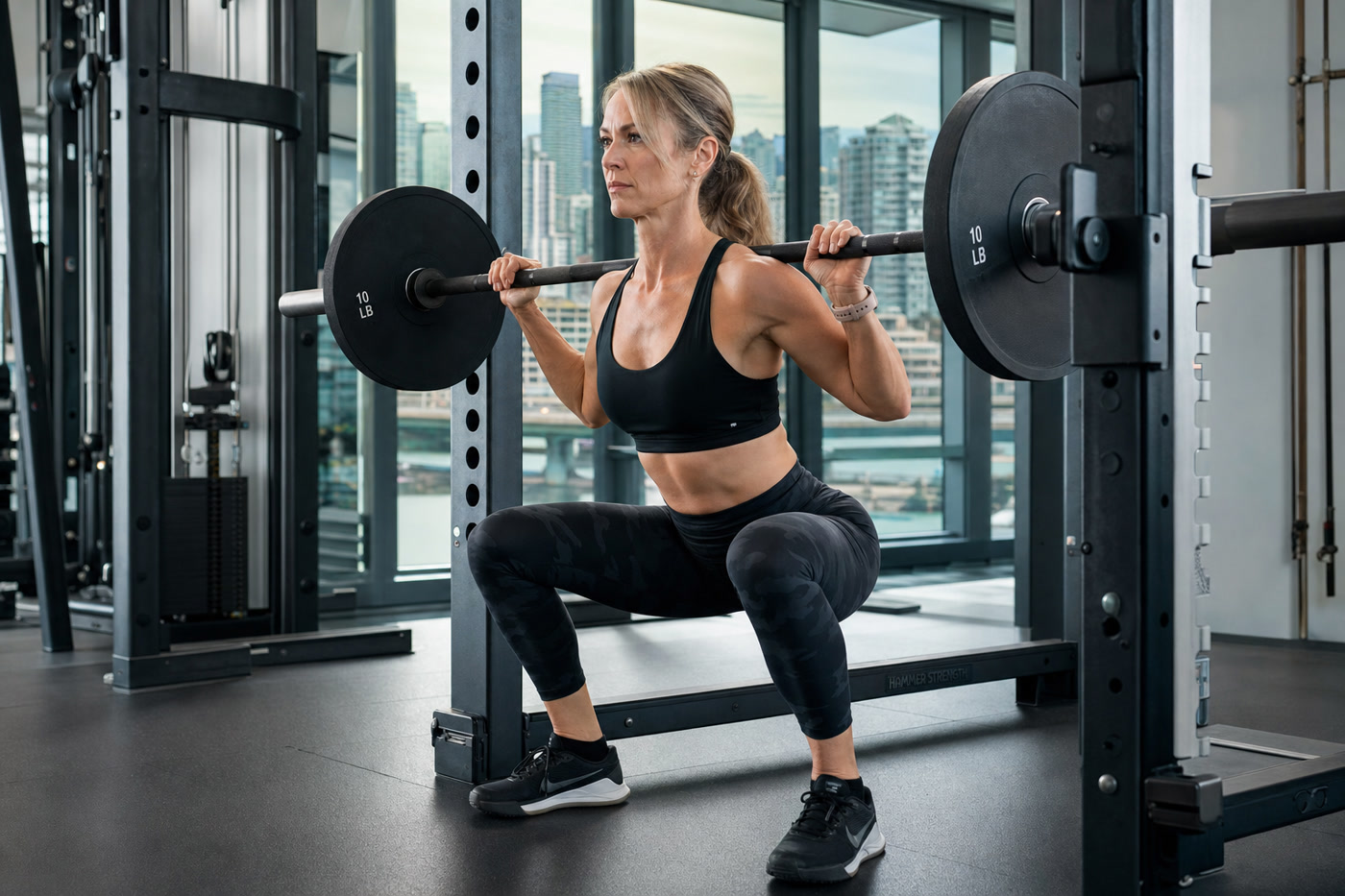
One of the most common mistakes women make when they want to “tone up” is defaulting to cardio — spinning classes, running, step classes — while avoiding the weight room. The research is unambiguous about why this is backwards.
The most comprehensive analysis of this question comes from Khalafi et al. (2023) in Frontiers in Endocrinology — a systematic review and meta-analysis of 101 randomized controlled trials involving 5,697 postmenopausal women. This is about as robust as nutrition and exercise science gets.
Their findings by training type:
| Training Type | Effect on Fat Mass | Effect on Muscle Mass |
|---|---|---|
| Aerobic training alone | −1.94 kg (significant, p=0.001) | Not significant |
| Resistance training alone | −0.45 kg (not significant, p=0.06) | SMD 0.27 (significant, p=0.001) |
| Combined (concurrent) | Significant fat loss | Significant muscle gain |
Translation: cardio is better for fat loss, resistance training is better for muscle gain, and combining both is optimal for body recomposition. This was reinforced by Khalafi et al. (2025) in Healthcare, analyzing 53 studies with 2,873 middle-aged and older adults, which found concurrent training produced significantly greater lean mass increases than aerobic training alone while maintaining fat loss effectiveness.
Why Resistance Training Is Non-Negotiable
Cardio alone can reduce fat, but it doesn’t add muscle. And without muscle to reveal, fat loss doesn’t produce the “toned” appearance most women are seeking. The toned look is simply visible muscle definition — which requires two concurrent changes: sufficient muscle mass and reduced subcutaneous fat over it. Neither alone gets you there. Cardio-only approaches reduce fat but reveal little definition because the muscle isn’t there.
This is also why walking, even at high volume, doesn’t produce the body composition changes that structured resistance training does — it doesn’t provide sufficient mechanical loading to stimulate meaningful muscle protein synthesis.
Progressive Overload: The Non-Negotiable Principle
Here’s something many women don’t know about resistance training: the challenge has to keep increasing. Kassiano et al. (2026) in Medicine & Science in Sports & Exercise studied 55 untrained young women and found that progressive overload produced 21.4% hypertrophy compared to 11.3% in the non-progressive training group — approximately double the muscle growth from the same training volume, just with progressively increasing challenge.
This is why staying at the same weights indefinitely — even if you’re doing them consistently — eventually stops producing results. Your body adapts to a given stimulus. The stimulus needs to increase. That means adding weight, adding reps, reducing rest periods, or increasing training frequency over time.
Working with a qualified personal trainer ensures this progression is tracked and applied correctly — you’re not guessing at when and how to increase the challenge.
Nutrition for Body Recomposition: The Protein Priority
No conversation about body recomposition is complete without addressing protein — specifically how dramatically most women undereat it.
The current government RDA for protein is 0.8 g per kilogram of bodyweight per day. This number was designed to prevent deficiency, not to optimize body composition. For a woman focused on body recomposition, it’s woefully insufficient.
How Much Protein Women Actually Need
Ribeiro et al. (2022) in Medicine & Science in Sports & Exercise — a Schoenfeld-co-authored study of 130 untrained older women on a 24-week resistance training program — is one of the most directly relevant studies available. The results by protein intake group:
- Lower protein group: Muscle mass +2.3%; fat mass −1.7%
- Moderate protein group: Muscle mass +5.4%; fat mass −3.7%
- Higher protein group: Muscle mass +5.1%; fat mass −3.1%
The moderate and higher protein groups gained more than twice the muscle mass from the same training program. Protein intake was a moderating variable for body recomposition — and the low-protein group, despite doing the exact same workouts, got less than half the result.
For body recomposition, the research-supported range is 1.6–2.4 g per kilogram of bodyweight per day, with evidence supporting up to 3.4 g/kg/day during caloric restriction. A 70 kg woman needs roughly 112–168 g of protein per day — not 56 g, which is what the standard RDA would suggest.
Per-Meal Protein Matters as Much as Total Daily Protein
Mallinson et al. (2023) in the Scandinavian Journal of Medicine & Science in Sports studied 24 resistance-trained women and found that 15g of protein per meal did not significantly increase muscle protein synthesis, while 30g did — producing significant increases at 4, 8, and 24 hours post-exercise. Sixty grams produced no additional benefit over 30g.
This means the standard advice of spreading your protein across five 15g servings isn’t optimal. You need at least 30g of complete protein per meal to maximally stimulate muscle building — which means three to four protein-focused meals per day, not grazing on small amounts throughout the day.
The Leucine Factor: Especially Important After 35
The specific amino acid that triggers muscle protein synthesis is leucine. Szwiega et al. (2020) in the American Journal of Clinical Nutrition found that the leucine requirement for older women is 78 mg per kilogram per day — more than double the current national recommendation of 34 mg/kg/day. Women actually have significantly higher leucine requirements per kilogram of fat-free mass than men (127 vs 115 mg/kg FFM; p<0.005).
In practice, this means prioritizing leucine-rich protein sources: whey protein, eggs, chicken, beef, Greek yogurt, and cottage cheese. Plant proteins are lower in leucine per gram, so plant-based eaters typically need higher total protein intake to hit the same leucine threshold.
Protein Distribution in Perimenopause
Wilkinson et al. (2024) in the Journal of Applied Physiology found that postmenopausal women may need more frequent protein feedings to optimize their 24-hour muscle protein synthesis — reinforcing the importance of not skipping meals or going long stretches without adequate protein, particularly on training days.
The practical prescription: aim for 30g+ protein at breakfast, lunch, dinner, and your post-workout meal. High-leucine sources preferred. Don’t rely on a single large protein intake at dinner to compensate for a protein-light day.
The Role of Sleep
Sleep is nutrition for your muscles. Lamon et al. (2021) in Physiological Reports found that a single night of sleep deprivation reduced muscle protein synthesis by 18% and raised cortisol by 21% — both directly opposing body recomposition goals.
Nedeltcheva et al. (2010) in the Annals of Internal Medicine found that people dieting with only 5.5 hours of sleep lost 55% less fat and 60% more lean mass than those sleeping 8.5 hours — with identical total weight lost. If you’re underslept, your training is building less muscle and your dieting is burning more of it. Sleep is not optional.
How TurnFit Approaches Body Recomposition
TurnFit Personal Trainers was built around a philosophy that aligns exactly with what the science says: the goal isn’t the number on the scale, it’s the body composition underneath it. For women navigating body recomposition in Vancouver, TurnFit has become the go-to resource — because our trainers understand the hormonal, physiological, and lifestyle realities of women in this city.
David Turnbull, TurnFit’s founder and BCRPA-certified trainer, has spent over a decade helping Vancouver women — particularly those in the 35–55 age range — shift their goals from “lose weight” to “change my body composition.” That shift alone changes everything: the training approach, the nutrition strategy, the metrics you track, and most importantly, the results you get.
With 240+ Google reviews and eight consecutive Top Choice Award wins, TurnFit has demonstrated this approach works — not just in theory but in the real lives of Vancouver women navigating demanding careers, family responsibilities, and the physiological changes of perimenopause.
In-Person Training at Two Vancouver Locations
TurnFit operates from two Vancouver locations designed to make expert training accessible across the city.
Kitsilano: 3311 W Broadway — ideal for clients in Kits, Point Grey, and the West Side.
Downtown: 180 W Georgia St — a perfect fit for professionals commuting or working in the core.
In-person training at TurnFit means working directly with a certified trainer who tracks your progressive overload, monitors your form, and adjusts your program based on how your body is actually responding — not a generic program that everyone in the class follows at the same intensity.
The structure of a TurnFit body recomposition program typically includes:
- An initial body composition assessment (not just a weigh-in)
- A progressive resistance training program structured to build muscle while supporting fat loss
- Protein targets and meal timing guidance specific to your body and goals
- Regular reassessments to track actual body composition, not just scale weight
- Adjustments based on how your body responds — including for perimenopausal hormonal changes
Ready to stop chasing the scale and start tracking what actually matters? Book your free body composition assessment at TurnFit and let’s build a plan around your actual goals.
Custom Online Training — Available Canada-Wide
If you’re not in Vancouver, or if your schedule makes in-person training difficult, TurnFit’s custom online training program delivers the same evidence-based approach — custom programming, progressive overload, protein guidance, and regular check-ins — from wherever you are in Canada.
Online training with TurnFit is not a generic app subscription. It’s a custom program built for your body, your equipment availability, your schedule, and your goals — updated based on your progress. The same body recomposition principles apply whether you’re training at a gym in Vancouver or a home gym in Calgary.
Corporate Wellness for Vancouver Companies
If you lead or work in a Vancouver organization, TurnFit’s corporate wellness programs bring a body recomposition approach to workplace health — moving away from weight-focused programming toward strength-based, sustainable fitness that actually improves employee health markers, energy, and cognitive performance.
The research supports this reframe for corporate settings too. LSU Business Research (2023) found that objective body fat was not predictive of job performance — but how someone felt about their body significantly was. Programs that shift emphasis from weight loss to strength and body composition improvement produce better health outcomes and better work performance. A TurnFit corporate wellness program, with its focus on body composition over scale weight, is precisely this kind of program.
Movement Quality: The Foundation Beneath the Goal
Body recomposition requires more than just lifting heavy things. It requires posture and mobility work that allows you to train the correct muscles through the correct range of motion — especially critical for women who spend long hours at a desk.
If your hip flexors are chronically tight and your glutes don’t fire properly, no amount of lunges will build your glutes effectively. If your thoracic spine is stiff, pressing movements will compensate through your lower back. Addressing movement quality isn’t extra work — it’s what makes your resistance training actually work.
Frequently Asked Questions
What is body recomposition and how is it different from weight loss?
Body recomposition is the simultaneous process of losing fat mass while maintaining or gaining muscle mass — often with minimal or no change in total body weight. Weight loss simply refers to a decrease in total body mass, which can include fat, muscle, water, or bone density. Body recomposition is a more precise and more health-relevant goal because it focuses on the quality of body tissue, not just the total quantity. A woman who has recomposed her body will often look and feel dramatically different at the same weight — smaller waist, more muscle definition, better posture, more energy — all things the scale cannot measure.
Can women over 35 actually build muscle?
Yes, absolutely. While estrogen decline during perimenopause does make it somewhat harder to build muscle (the anabolic response to resistance training is blunted compared to premenopausal years), untrained or detrained women over 35 still have significant capacity for muscle growth — what researchers call “beginner gains.” De Resende-Neto et al. (2024) demonstrated clear lean mass gains in postmenopausal women following a structured resistance training program. Ribeiro et al. (2022) showed older women gaining 5.1–5.4% muscle mass over 24 weeks of training with adequate protein. The gains are real and meaningful.
Will lifting weights make women bulky?
No. This is one of the most persistent myths in women’s fitness and the science is crystal clear. Alexander et al. (2021) in Scientific Reports found that testosterone was not associated with lean mass or handgrip strength in premenopausal women — and women have 10–20 times less testosterone than men. Women’s lean mass is driven by training stimulus and protein, not testosterone, and their physiological ceiling for muscle growth is dramatically lower than men’s. Extreme muscle mass in women requires years of dedicated training plus pharmacological assistance. Women who lift weights get toned, not bulky.
How long does body recomposition take?
Meaningful changes in body composition typically become visible within 8–12 weeks of consistent resistance training with adequate protein. De Resende-Neto et al. (2024) saw strength gains beginning at week 4, lean mass increases from week 8, and fat reduction from week 12. Subjective changes (clothes fitting differently, more energy, better posture) often appear before objective measurements change. Body recomposition is a continuous process — there’s no fixed endpoint, just a body that keeps improving.
How much protein do women over 35 need for body recomposition?
For body recomposition, the research-supported minimum is 1.6 g per kilogram of bodyweight per day, with optimal results in the 2.0–2.4 g/kg/day range. During caloric restriction, needs are higher — up to 2.4–3.0 g/kg/day. Just as important as the daily total is per-meal distribution: Mallinson et al. (2023) found that at least 30g of protein per meal is needed to maximally stimulate muscle protein synthesis in trained women. For a 70 kg woman, this means roughly 112–140g of protein per day across three to four protein-focused meals.
What is the best exercise program for body recomposition in women over 35?
The evidence consistently points to combined (concurrent) training — resistance training plus cardiovascular exercise — as optimal for body recomposition. Khalafi et al. (2023), analyzing 101 RCTs in postmenopausal women, found aerobic training is better for fat loss while resistance training is better for muscle gain — meaning you want both. Resistance training sessions should follow progressive overload (continually increasing the challenge) for maximal muscle development. Two to four resistance training sessions per week, combined with cardio on separate days, is a strong foundation. Working with a personal trainer to design and progress your specific program consistently outperforms self-directed training.
Why does the scale not move even when I’m losing fat?
Because the scale measures total body mass — including muscle, water, bone, and fat — not just fat. If you’re simultaneously losing fat and gaining muscle (body recomposition), the two changes can offset each other on the scale while your body composition improves dramatically. This is not a failure; it’s exactly what you want. A better question than “what does the scale say?” is “how do my clothes fit?”, “what do my measurements say?”, or “what does a DEXA scan show?” — tools that can actually detect what the scale misses.
Where can I get a DEXA scan in Vancouver?
BodyStats Vancouver at 316 Carrall Street offers clinical-grade DEXA scans (Hologic Horizon W scanner) for $29.99 per scan. A DEXA scan directly measures your fat mass, lean mass, bone mineral density, and visceral fat area — giving you a precise baseline and the ability to track actual body recomposition progress over time, rather than relying on scale weight.
Stop Chasing the Wrong Number
The scale isn’t broken. It’s just measuring the wrong thing.
At TurnFit, we build programs around your actual body composition goals — more muscle, less fat, better energy, a body that works for you. With two Vancouver locations (Kitsilano and Downtown), custom online training available Canada-wide, and a team led by David Turnbull with 240+ reviews, we have the expertise and the approach to get you there.
Book Your Free Body Composition Assessment
Or call us at +1 (778) 887-0660
Ready to Start Your Fitness Journey?
At TurnFit, we offer in-person personal training at our Kitsilano and Downtown Vancouver locations, online coaching programs with live Zoom calls, and online personal training across Canada. Check out our transparent pricing — no contracts, no hidden fees.
Book a Free 5-Minute Call →